Marble Top Care for Singapore Homes: Keeping Lacquered Surfaces Clear in Humid Weather
Lacquered marble combines the sculptural presence of natural stone with a more controlled, light-luxury finish. In Singapore, that combination can look especially refined beside a solid wood sofa, oak dining table, or upholstered bed frame, yet the climate demands a disciplined care routine. High humidity, sudden rain, coastal salts, and warm air can affect coatings and joints even when furniture is kept indoors. For residents of Tampines, Bedok, Punggol, and newer private condos, a practical routine means controlling moisture, using the right cleaning tools, and separating daily wiping from periodic maintenance.
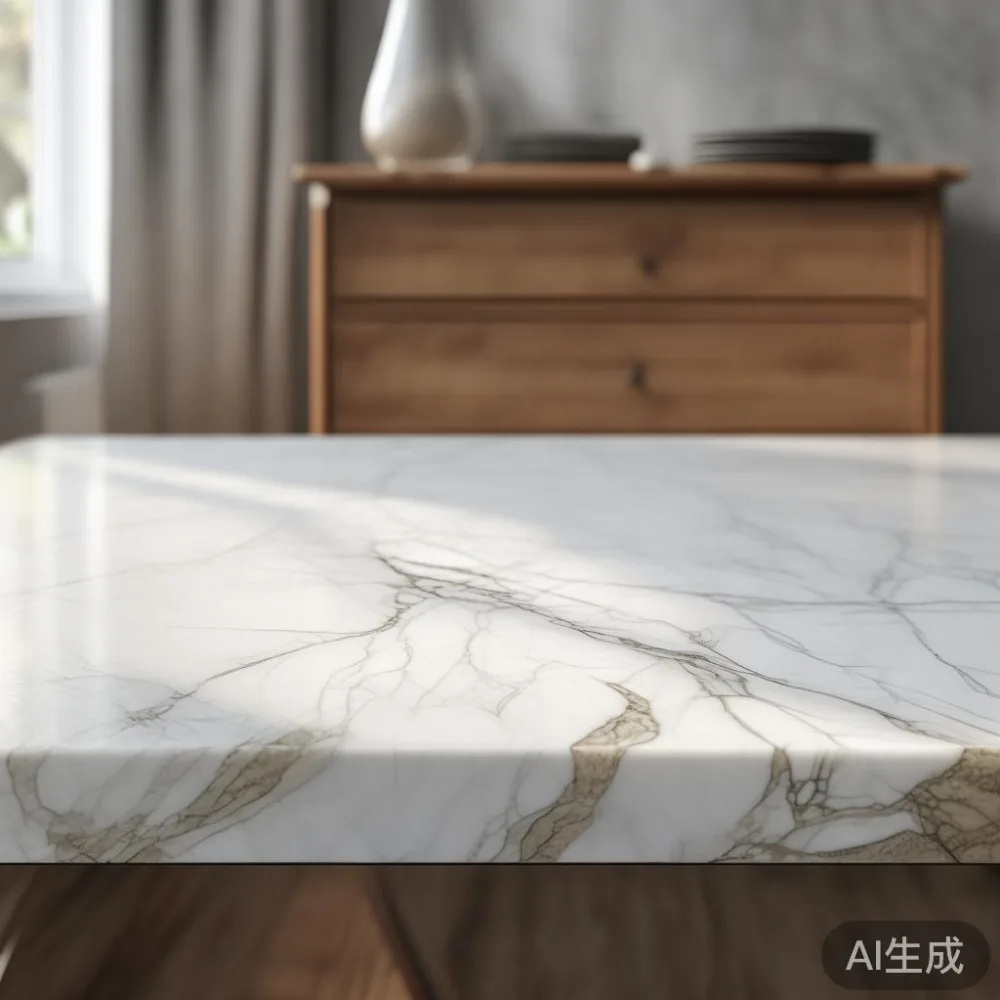
MIDHILL designs lacquered furniture with a 10-year structural warranty and lifetime refinishing support, but coatings still need sensible care. A satin lacquer may develop fine marks around a busy dining table or bedside nightstand, while a marble top can show water rings if a wet glass is left in place. The aim is not perfection; it is to preserve the surface for years while keeping the pale timber, soft textiles, and stone visually calm.
Why Does a Lacquered Marble Top Need Special Care in Singapore?
Singapore’s relative humidity commonly ranges from about 65% to 85% across the year. Warm, moisture-laden air enters through balcony doors and service areas, and air-conditioned rooms create a second issue: dust can be drawn onto surfaces as the temperature changes. Lacquer is generally easier to maintain than untreated stone, yet it remains sensitive to standing water, abrasive pads, alcohol-heavy cleaners, and harsh sunlight.
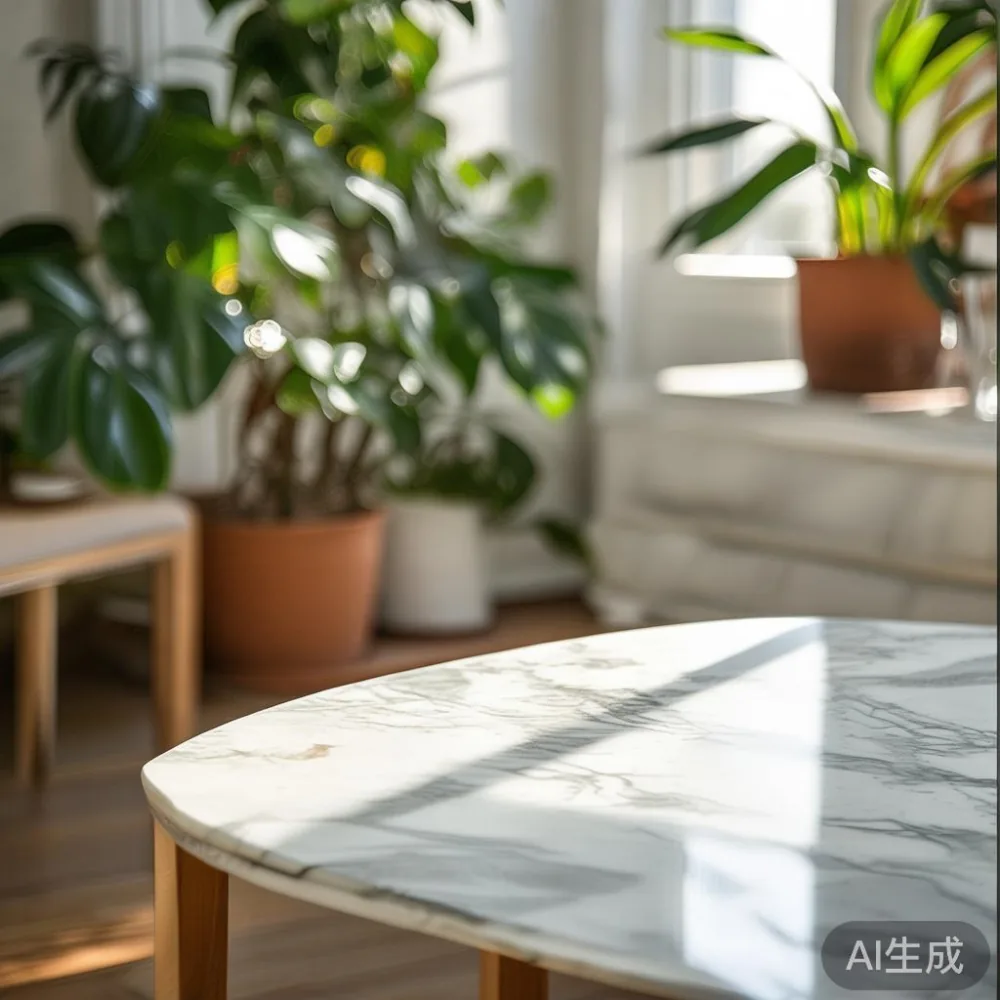
The “lacquered” description matters. A film-forming coating sits over the marble and gives it an even sheen, but the appearance of that film can change when it is exposed to heat or cleaned incorrectly. A dining table beside a west-facing window in Bedok may receive direct afternoon light, while a marble table near a Punggol balcony may collect condensation during a squall. Neither condition means the furniture is defective; both call for a little management.
Use a coast guard in practical terms. Wipe away condensation within 10 minutes, keep coasters under drinks, and move vulnerable items away from persistent dampness. For a 180 cm dining table, leave at least 20 cm between the edge and a window if curtains are impractical. For a marble top console no deeper than 40 cm, avoid tight corners where household laundry, floor sprays, or cooking oil can settle.
Colour also influences what marks become visible. Warm oak, walnut, and cream lacquer show dust, tea, and fingerprints readily. Dark-stained solid wood frames can make pale water rings more obvious around a nightstand. Before placing a lacquered marble top in a high-traffic route, consider the finish under daylight rather than showroom lighting and use a light-coloured mat beneath frequently handled objects.
What Is the Correct Daily Cleaning Method for a Lacquered Marble Top?
Start with the mildest effective method. For routine cleaning, use a soft microfibre cloth, clean lukewarm water, and a pH-neutral stone cleaner diluted according to its label. A typical dilution is 5 ml of cleaner per 1 litre of water. Wipe the surface in small circles, then remove residue with a second damp cloth. A well-wrung cloth should not leave visible water behind.
Cleaning a 200 cm lacquered marble dining table can take about 8 to 10 minutes. Divide it into four sections of roughly 50 cm, keeping the stone damp rather than soaking it. Avoid spraying cleaner directly onto the surface: overspray may reach the timber edge or a nearby chair frame. For a 60 cm round marble table, 3 to 5 minutes is usually sufficient.
Use separate cloths for glassware and stone. The grit trapped in a kitchen cloth can scratch lacquer during dry wiping. Launder microfibre cloths at 40°C without fabric softener, and replace a cloth after about 30 wash cycles or once it begins shedding. This simple discipline is useful for anyone researching the best Industrial sofa for 2026, since the same clean-cloth rule applies around seating, drink tables, and heavily handled arms.
Spills should be lifted rather than scrubbed. For water, use a dry cloth within 5 minutes. For milk, juice, or oil, blot with a damp cloth and then follow with the two-cloth method. Do not use lemon juice, vinegar, baking soda, scouring powder, steel wool, or abrasive sponge pads. They can dull the lacquer or etch the marble beneath it. Avoid alkaline cleaners and products containing “degreaser” unless a marble specialist confirms compatibility with the specific coating.
How Often Should a Lacquered Marble Top Be Maintained?
A weekly clean is suitable for a dining table in an occupied condo. Wipe the lacquered marble top after meals, especially in humid evenings, and perform a full pH-neutral clean every 7 days. A bedside nightstand can be maintained every 10 to 14 days because it sees fewer spills, but it should still be checked for condensation and dust.
For a wardrobe with a marble-top dressing surface, follow the same weekly rhythm and avoid placing damp folded clothing beneath the stone. For a marble table near a bathroom or kitchen sink, clean every 3 to 5 days. Kitchen oil can remain invisible at first and later interfere with the coating’s sheen, so an early wipe is preferable.
Check the lacquer every 3 months under natural light. Look for dull patches, lifting at the edge, tiny bubbles, or changes in reflection. A 10 cm sample area, viewed from an oblique angle, often reveals surface haze more clearly than a front-on inspection. Never test an aggressive product on the visible face. If a mark remains after careful cleaning, document it with 2 photographs, including one with a coin for scale, and contact the maker for coating advice.
Annual care may include a gentle polish only if the coating manufacturer permits it. Not every lacquer accepts polish, and silicone-based products can create confusing streaks. Test any approved product on an underside section measuring at least 5 cm by 5 cm for 24 hours. If no patchy appearance appears, proceed over the full surface. Otherwise, leave the area untouched.
Can Humidity Damage Furniture with a Marble Top?
High humidity affects furniture gradually. Swollen timber, stained edges, and loosened fittings can appear if a lacquered surface is repeatedly exposed to condensation or indoor dampness. Solid wood furniture can move through small dimensional changes as its moisture content responds to the air, which is why construction and ventilation matter.
In an HDB flat with a 90 cm corridor, furniture should be moved without scraping door frames or walls. Before delivery, measure the lift door, lift car, landing turns, and corridor turns. A dining table may fit a 70 cm door on its side, while a large bed frame may need its rails disassembled. Protect the marble top with a fitted blanket during every move, even for a distance of 15 metres from the lift lobby.
For coastal conditions, homeowners searching for Coastal for dining room ideas should think about reflective finishes, pale woods, and surfaces that tolerate quick wiping. Coastal styling does not require untreated materials. A lacquered marble top can suit a white or warm-oak solid wood sofa because the sealed finish provides a useful barrier against salt residue and damp hand contact. Salt should still be removed promptly because crystals can be abrasive.
Keep the room between roughly 24°C and 28°C where possible, with moderate ventilation after showering. Where condensation develops on a window or nearby furniture, move the piece at least 30 cm away from the glass. If the marble top is on a 45 cm bedside table, leave 10 cm of clearance around it and avoid pushing it into a tight corner where airflow is poor.
Solid wood expands more across its grain than along it. A well-made dining table may move by 2 to 4 mm across a 180 cm width as humidity changes. Movement at a joint is different from an unexplained gap or cracking. Do not tighten screws indiscriminately; record the issue and have the construction checked, particularly within the 10-year structural warranty period.
How Do I Remove Water Rings, Fingerprints, and Small Marks?
Water rings usually come from a wet glass, a vase, or an exterior condensation bead. Use a soft cloth with a little neutral stone cleaner and wipe in a straight line from the mark’s outer edge towards its centre. A second dry cloth removes moisture. If the ring remains, do not increase pressure. Excessive rubbing can create a dull “swirl” that is harder to repair than the original ring.
Fingerprints are best removed with a barely damp cloth and a drop of pH-neutral cleaner. Use about 2 ml in a 500 ml spray bottle, spray the cloth rather than the table, and wipe once. A soft chamois cloth can be useful for the final pass, although it should be kept separate from kitchen utensils.
Small scratches need a different response from residue. If the nail catches in a mark, it may be a coating scratch rather than a surface-cleaning issue. Do not sand a lacquered marble top at home. Photograph the mark under daylight and seek a refinishing assessment. MIDHILL’s lifetime refinishing service provides a route for restoring eligible surfaces, but the right procedure depends on the lacquer chemistry and marble used.
Heat can also create a hazy patch. A hot cup placed on a cold, damp stone surface in a humid apartment may cause a temporary bloom or ring. Let the surface return to room temperature for 30 to 60 minutes before wiping. A hairdryer held at least 30 cm away can speed drying, but only use cool air and avoid directing heat at the timber edge.
For owners comparing design references such as Italian light luxury for hotel projects, durability matters as much as the image. Hotels use lacquered and polished surfaces because they can be maintained carefully, but the service routine still includes prompt spill removal, staff training, and inspection every 3 months. Home care should follow the same logic at a smaller scale.
Which Products Should I Keep Away from a Marble Top?
Some household products can damage lacquer or alter its sheen even when used on other furniture. Keep alcohol, bleach, ammonia, paint thinner, nail-polish remover, and scented sprays away from the surface. Aerosol dust sprays may leave a fine oily film that attracts dust. If such a product is used nearby, cover the marble top and wipe the surrounding frame separately.
Silicone furniture polish is another questionable choice. It can create a temporary uniform shine while masking wear and making future refinishing more difficult. Oil-based furniture wax is also unsuitable unless the coating maker expressly approves it. Use only products identified as safe for lacquered marble, and confirm that the cleaner is pH-neutral.
Coasters and placemats remain inexpensive protection. Use felt or cork underneath a cup, bottle, or hot dish. Cork pads should be at least 2 mm thick and changed when they become saturated. For a dining table, a 45 cm round coaster for a carafe can prevent a wet ring that a smaller coaster would not catch.
Protect the timber edge as well as the stone. A lacquered marble top may be fitted to a solid wood dining table, a wardrobe, or a bed frame with a compact writing ledge. Wipe moisture from the edge immediately. Do not slide the top across the supporting frame, because a 1 cm lip at the edge can chip under lateral force.
Cleaning products should be kept in a locked cabinet if young children or pets are present. Store them above 1.5 metres, and never decant an unknown cleaner into a drink bottle. These habits reduce accidental staining as much as they protect against chemical damage.
How Do I Move and Deliver a Marble Top Safely?
Measure before booking a delivery slot. Record the narrowest corridor width, lift door dimensions, lift car height, and the distance from the car park to the unit. In many Singapore developments, a 90 cm corridor provides enough turning room for a disassembled dining table, but diagonal corners can reduce the effective width. A 200 cm marble table may need to enter in 2 sections rather than as one top.
The surface should travel upright or on its edge with rigid support, not flat across an open trolley if the stone has not been approved for that orientation. Wrap it in a moving blanket at least 2 cm thick, then add corner protection. Use straps around the protected frame, never directly around the marble. Carry each person’s load within a comfortable 15 to 20 kg range and use a second person for any heavier section.
Check the route for thresholds of 2 cm or more. Lift the component rather than dragging it across the threshold, and place furniture pads under the feet. After positioning, allow 4 to 8 hours before placing heavy objects on a dining table or wardrobe surface. This gives the coating and fixing points time to settle.
Singapore customers should compare the quoted price before GST carefully, along with delivery days, installation, and lift-access charges. A quoted amount of SGD 1,680 before GST, for example, should be read together with the final payable total of SGD 1,718.40 at 8% GST. A clear quotation also states whether a marble top is delivered with the base frame or separately.
MIDHILL ships eligible orders above US$350, but that threshold is denominated in US dollars and does not remove the need to check Singapore delivery terms. Confirm the item’s availability, expected delivery period, warranty documentation, and return conditions before purchase.
Is an American Wardrobe Worth It in a Humid Apartment?
This question usually depends on construction, dimensions, and finish rather than a national label. An American wardrobe with solid timber frames, adjustable shelves, and a lacquered stone dressing surface can suit a Tampines or Punggol bedroom, provided the unit is not pressed tightly against a wet wall. Leave a 5 cm rear ventilation gap, and check the ceiling for leaks before the unit is installed.
The answer also depends on storage design. Hanging space of 120 cm inside a 60 cm-wide wardrobe is useful for shirts and jackets, while deeper drawers can take folded clothing. A shallow wardrobe may be better in a compact HDB bedroom because it leaves more usable floor space. Before buying, compare the external width of 100 cm with the room’s measured clear width rather than the catalogue drawing.
For a French-inspired bedroom, light oak tones, gentle profiles, and upholstered textiles can create an airy post-modern look without making the room visually heavy. A practical guide to how to style French bed in apartment layouts should include the marble-top nightstand as a restrained anchor. A 45 cm wide nightstand beside a 160 cm bed gives a balanced arrangement, while a 40 cm table suits a 120 cm bed more closely.
French light luxury works well when the palette includes warm white, pale oak, taupe, and muted metal details. Keep the lacquered surface simple and avoid a crowded group of objects. One lamp, one book, and one coaster are enough for a bedside marble table. This restraint allows the grain, stone pattern, and joinery to carry the visual interest.
What if I Want Post-Modern Style Without More Maintenance?
Post-modern furniture often combines clean geometry with warmer natural materials. A solid wood dining table with a square marble top, a low-profile bed frame, and a streamlined wardrobe can fit an HDB interior while remaining connected to the wood tones common in contemporary Singapore homes. Pale lacquer can work in a humid setting, but the owner still needs a routine that takes less than 15 minutes a week.
For readers looking for under 2000 Post-modern furniture, the budget should include the full configuration rather than only the visible frame. A dining table set might be quoted at SGD 1,450 before GST, with delivery and lift access adding another SGD 120 to SGD 180. The final cost would be SGD 1,680.80 with 8% GST if those charges apply to the order. Compare the marble-top specification, timber species, dimensions, and finish before judging the value.
Choose furniture that suits the route as well as the room. A 140 cm solid wood sofa may need to turn from the lift lobby through a 90 cm corridor, while a 220 cm dining table may require a balcony entrance. Compact modular seating can reduce delivery stress, and removable wardrobe towers can be assembled inside the bedroom.
Create a care station with 2 clean microfibre cloths, a pH-neutral stone cleaner, 4 coasters, and a small soft brush. The brush is useful for dust around a marble table’s raised edge, but it should never have hard bristles. Place the kit in a dry cupboard, not beneath the sink, where cleaner packets may split.
Finally, record the purchase details. Keep the receipt, warranty, finish sample, and care instructions in one folder or photograph them on the day the furniture arrives. Note the lacquer sheen and inspect the marble top after 7 days and again after 90 days. This makes it easier to distinguish an installation issue from ordinary surface marks and gives the manufacturer useful information if refinishing is required.
How Can I Keep a Lacquered Marble Top Looking Refined for 10 Years?
A consistent routine protects the appearance far better than occasional aggressive treatment. Give the surface 5 minutes after a spill, use 2 separate microfibre cloths, perform a neutral clean every 7 days, and inspect it every 90 days. Keep drinks on coasters, control condensation within 10 minutes, and avoid direct sun for long periods where possible.
For a home in Singapore, the furniture should also be allowed to acclimatise. A newly delivered dining table or bed frame may need 24 to 48 hours in the room before objects are placed on it. Good ventilation matters, but the surface should remain dry. If a wardrobe sits near an exterior wall, check for dampness and leave the recommended clearance around the frame.
Light luxury here means disciplined material care rather than precious fragility. A French light-luxury palette, an American solid wood approach, and a post-modern mix of stone and timber can all work when the owner respects the coating. A 10-year structural warranty addresses long-term construction, while lifetime refinishing offers a practical path for eligible wear. Neither replaces careful use, but both support a long ownership cycle.
For a marble top, the final rule is simple: respond quickly, clean gently, and ask before applying a new product. That approach keeps the finish coherent beside a solid wood sofa, bed frame, dining table, wardrobe, or nightstand—and keeps a lacquered marble top looking considered in the climate it actually inhabits.