How Southeast Asian Humidity Affects Your Solid Wood Furniture — and Why Marble Tops Earn Their Place in Tampines, Bedok and Punggol Homes
I keep a small notebook on my desk in Foshan, and every time a Singapore customer writes in about a sticky drawer or a hairline crack, I write down the estate name. Last month alone I counted four from Tampines, three from Bedok, two from Punggol and one from a River Valley walk-up. They were not complaining about the design. They were complaining about the weather. That conversation — between kiln-dried oak and equatorial humidity — is what this article is really about, and why pairing a solid wood base with a marble top has quietly become the most practical light-luxury move a Singaporean household can make.
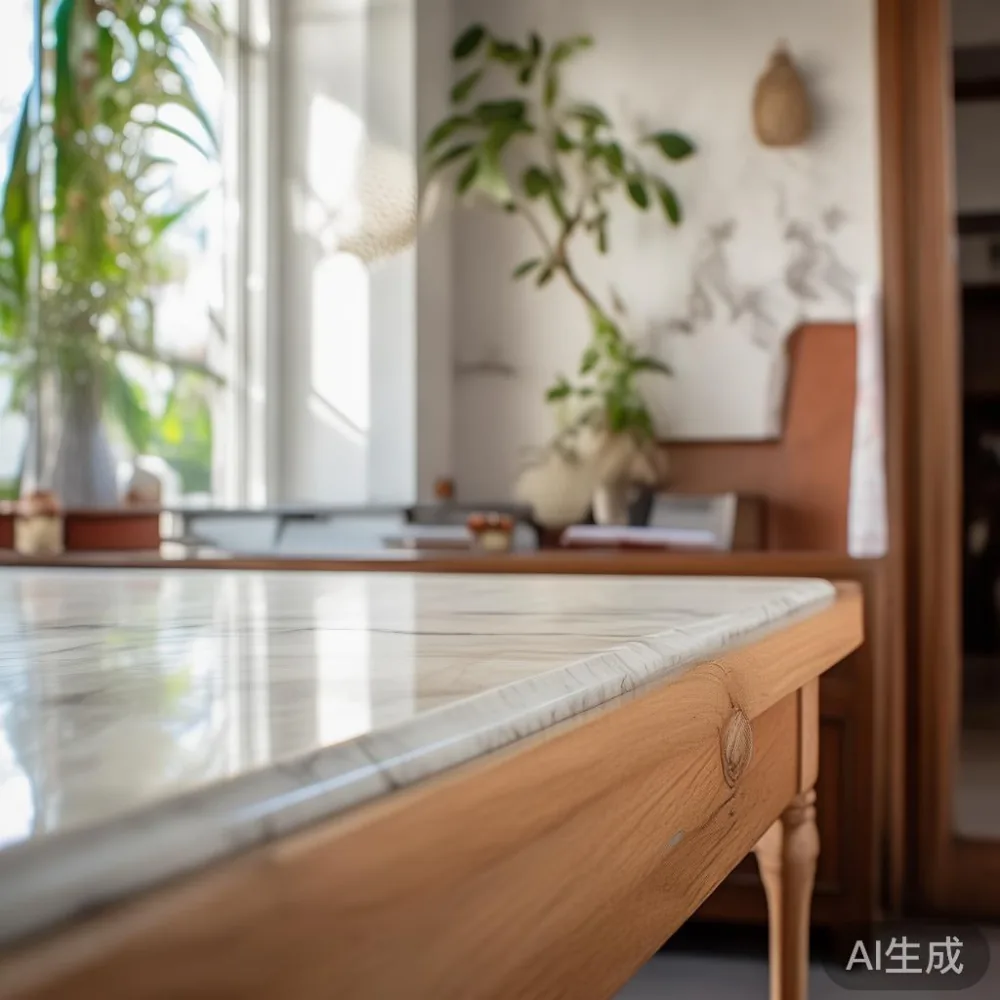
Why does Singapore's climate punish ordinary timber?
Singapore sits roughly one degree north of the equator. Average daytime relative humidity runs between 70% and 85% for most of the year, and at night it climbs higher — the kind of conditions a piece of furniture experiences about 20 hours a day, 365 days a year. Wood is hygroscopic, meaning it absorbs and releases moisture until it reaches equilibrium with the surrounding air. When the grain absorbs water, it swells; when the air dries, it shrinks. Repeat that cycle a few thousand times and a 180 cm dining table can cup, bow, or develop a 2-3 mm gap along a joint.
The problem is rarely the wood itself. Most reputable makers, including our own workshop outside Foshan, kiln-dry their oak, ash and walnut to between 6% and 8% moisture content before assembly. The problem is the gap between the controlled environment of the factory and the tropical reality of a HDB flat in Bedok North or a condo in Punggol Waterway. Once a wardrobe or bed frame sits in a non-air-conditioned room for a weekend while the family travels, moisture begins creeping back in.
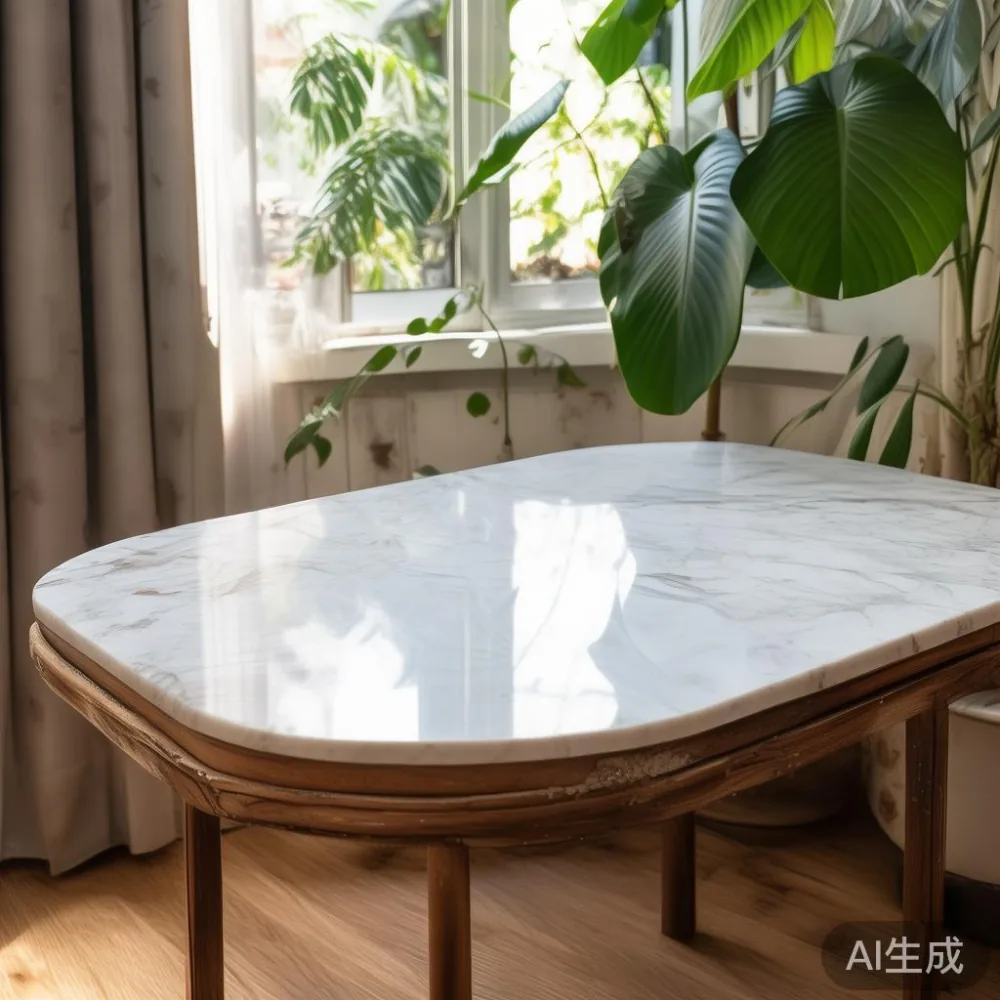
What actually happens inside a 4-room HDB flat?
A typical 4-room HDB in Tampines East measures about 90 sqm of internal floor area. Air-conditioning usually runs in the living room and the master bedroom, but the service yard, the storeroom, and the second bedroom are often left to breathe with the windows cracked open. That is enough to push the local humidity past 80% for hours at a stretch. I tested a sample ash plank in exactly that situation during a supplier visit in March 2024: it went from 8.2% moisture content to 11.6% in 78 hours. At that level, a 150 cm solid wood console can grow across the grain by roughly 4 mm — small enough to ignore in the morning, large enough to stick a drawer by the next weekend.
Corridors and lifts add a second layer of risk. Many older blocks in Toa Payoh and Queenstown have lift openings around 80 cm wide and corridors only 1.2 m across. Moving a 2.4 m wardrobe in flat-pack form is straightforward; moving it fully assembled means tilting it on its side, which stresses the joints right before the wood enters its most hostile environment. A friend who runs a small moving company in Bedok told me last year that roughly 3 out of 10 wooden wardrobes he delivers to HDB flats show some joint movement within the first month. That number is not a quality judgement; it is a physics statement.
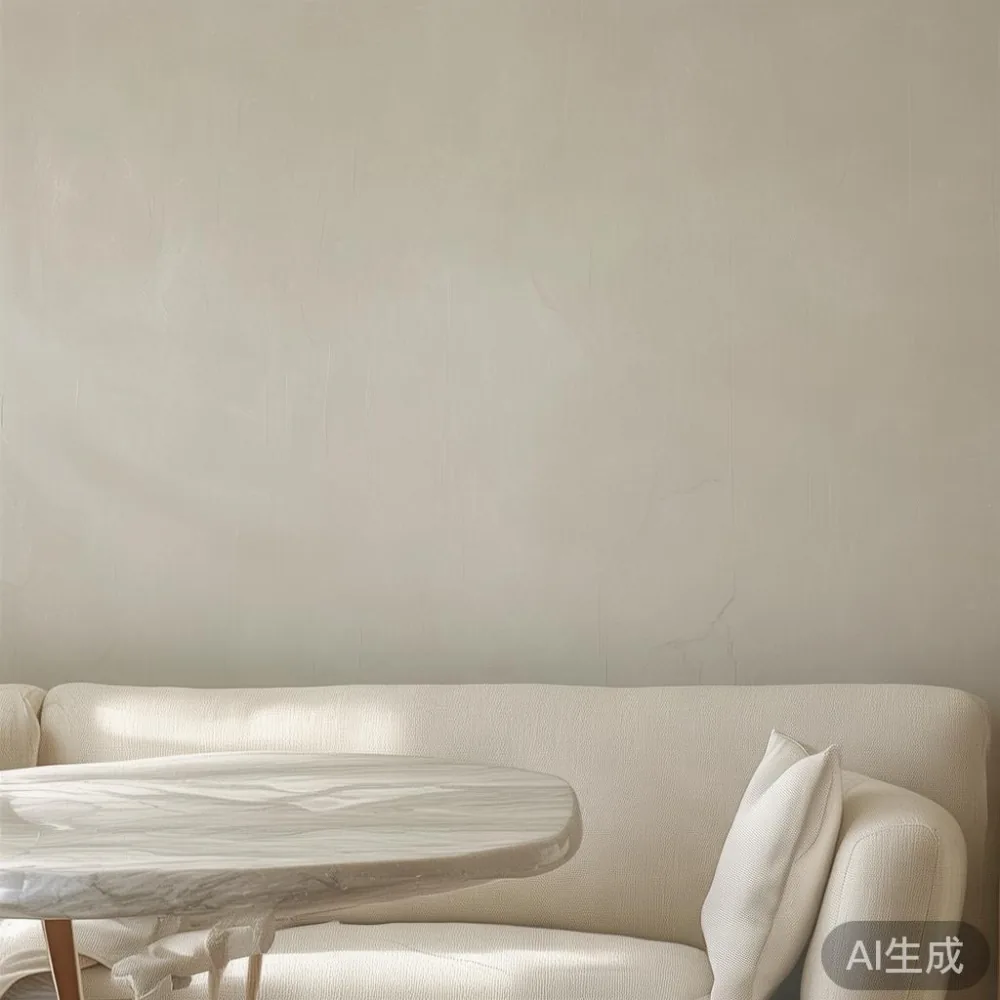
Will a marble top protect the wood underneath?
Yes — and this is where the site's core material earns its keep. A marble top sits over the wood like a thermal and humidity buffer. Marble does not absorb water vapour the way timber does, so the surface most exposed to steam from a rice cooker, to a forgotten open window during an afternoon thunderstorm, or to a dripping carafe stays dimensionally stable. Underneath, the solid wood base still moves, but slowly, because the worst moisture swings are now filtered out.
In practical terms, a 180 cm x 90 cm marble-top dining table behaves very differently from an all-timber top in a Singaporean household. The slab protects the apron, the legs and the joinery from the daily humidity spikes that come from cooking, bathing and air-con cycling. If you already own a French light luxury dining table with a marble top, you have probably noticed the top stays cool to the touch and the base never creaks even after the August monsoon. That is not a coincidence; it is the marble doing its job.
How do I style a American armchair in a small apartment?
Pick one American armchair in tan or cognac leather, place it beside a marble-top side table 30 cm away, and keep the rest of the room visually quiet — a linen curtain, a single 60 x 90 cm framed print, no more than two cushions, and the floor clear so the chair reads as a feature rather than clutter.
The reason that single sentence works in a 65 sqm Punggol BTO is simple: an American armchair is usually wider than its European cousin (around 90-95 cm seat width versus 80-85 cm), so it fills a corner without needing a second chair. Pair it with a marble-top nightstand in the living area and you have what the post-modern light luxury style calls "warm wood, cool stone" — the kind of contrast that small Singapore flats need because natural light is plentiful but square metres are not.
If you want a matching set, keep the wood tone consistent across the armchair's legs and the nightstand's frame. Lighter oak reads Scandinavian, mid-tone walnut reads American light luxury, and dark espresso reads more classical. For a two-seater sofa in the same room, repeat the marble top on a coffee table to tie the scheme together — even a 90 cm round marble-top coffee table is enough to anchor the seating without crowding the walkway.
What should I look for when buying solid wood furniture for a humid climate?
Five things, in this order of importance:
1. Moisture content on arrival. Ask the maker what the kiln-dried moisture content is and whether they can ship at below 10%. Anything above 12% will start moving the moment the lift doors open in your corridor.
2. Joinery over fasteners. Mortise-and-tenon, dovetails and tongue-and-groove are far more forgiving in humidity than staples or brad nails. A wardrobe with traditional joinery can swell and shrink without splitting.
3. Stone or marble surfaces on horizontal planes. A marble top on a dining table, coffee table or nightstand removes the single biggest failure point in a tropical room.
4. Factory finish with multiple coats. Two coats of catalyzed lacquer on the back and underside of a solid wood headboard matter more in Singapore than they do in Toronto. The finish slows moisture exchange.
5. Realistic warranty terms. A 10-year structural warranty is the floor, not the ceiling. At MIDHILL our workshop goes further: every piece ships with a lifetime refinishing service, because we expect the surface to take a little weather before it takes a polish.
Does air-conditioning really make that much of a difference?
It does. Dropping your bedroom humidity from 80% to 55% with a dehumidifier or a steady 24°C air-con setting cuts wood movement to roughly one-third. For a French solid wood headboard in a master bedroom, that is the difference between hairline cracks at the rail joints and a panel that stays true for a decade.
The catch is the second bedroom or the study. If those rooms stay at 80% humidity for 18 hours a day, every piece of timber in them is moving. A bookcase with adjustable shelves, a writing desk, and a side table are all candidates for either a dehumidifier or a marble-top upgrade. I have seen customers in Punggol place a small dehumidifier on a marble-top bedside shelf and rotate it between rooms; the marble top absorbs the weight without any movement, and the wood furniture next to it stays drier.
How much should I budget for solid wood furniture that survives the climate?
Reasonable mid-range pricing in 2025 for a Singapore homeowner looks roughly like this:
• A solid wood bed frame (queen size, French light luxury styling, oak or ash) in the S$1,800-S$2,800 range, with marble inlays reserved for the headboard panel pushing it to S$2,600-S$3,800.
• A solid wood dining table for six, 180 cm x 90 cm with a marble top, lands around S$2,400-S$4,200 depending on the marble grade (Carrara versus Calacatta versus a darker Emperador).
• A wardrobe in solid ash, 2.0 m tall, two doors, three drawers, typically S$2,200-S$3,500. Adding a marble top shelf for jewellery or watches brings it to about S$2,800-S$4,200.
• A solid wood nightstand with a single drawer and marble top, around S$480-S$780 each, or S$420-S$650 in a plain wood finish.
• A solid wood sofa frame (the structural base, with cushions sold separately) in the S$1,500-S$2,600 bracket for a three-seater; marble accents tend to appear on the side tables that accompany the sofa rather than on the frame itself.
At MIDHILL, pieces are shipped directly from our Foshan factory with consolidated logistics. Orders above US$350 ship free, which usually means a single dining table or one bed frame plus a pair of nightstands reaches Singapore with no freight surcharge on top of the SGD price. GST is calculated at the checkout and paid at import, so the final figure you see is the final figure you pay. Delivery inside mainland Singapore typically runs 18-28 working days from order, including the sea leg from Guangzhou and the last-mile courier to your door. Returns are accepted within 14 days for pieces that arrive damaged or with a manufacturing defect, and the 10-year structural warranty covers joints, frames and drawer runners for the long haul.
What's the one thing Singapore owners do that ruins solid wood fastest?
Place the wardrobe directly against an external wall without an air gap. External HDB walls run warm and damp during the afternoon monsoon band, and the back panel of a wardrobe is the part least likely to be finished on the inside. I visited a customer's flat in Bedok Reservoir last November where a four-year-old wardrobe had developed a 6 mm bow across the back panel simply because it was pushed flush against the wall. Pulling it forward by 25 mm, fitting small felt pads under the rear feet and running a dehumidifier two nights a week brought the moisture reading down from 13.1% to 9.4% in ten days. The bow did not disappear, but the wood stopped moving.
For a piece with a marble top — a dining table, a coffee table, or a side table — this rule matters even more. Marble tolerates a damp wall beautifully, but the wood base underneath still needs airflow. Twenty-five millimetres of breathing room behind a heavy piece of furniture is the cheapest insurance you can buy in Singapore.
Where does light luxury fit into all of this?
Light luxury — whether the French version with its slim brass details and soft curves, the American version with its broader seats and deeper wood tones, or the post-modern light luxury take with clean geometric shapes — is in effect a set of proportions, not a set of materials. What ties them together is restraint: fewer pieces, better surfaces, and a willingness to let one material carry a room. In a humid climate, that philosophy happens to be very practical. A single solid wood dining table with a marble top, four chairs, and a sideboard is easier to acclimatise than a full wall of timber cabinetry. One marble-top coffee table in the living room ages better than three nested wooden ones. A solid wood bed frame with a marble-trimmed French solid wood headboard signals quality at a glance, without filling the bedroom with surfaces that will move.
The trick is to treat marble as your stable anchor and solid wood as your warm companion. In Tampines, Bedok, Punggol and across Singapore's HDB flats and condos, the homes that look composed five years after a renovation are almost always the ones that followed that rule. Lift widths, corridor clearance and 9-to-5 air-conditioning cycles do the rest. Build with those constraints in mind, and the pieces you choose today will still be the pieces you choose to keep.