Unlocking Furniture Warranties in Singapore: What You Need to Know
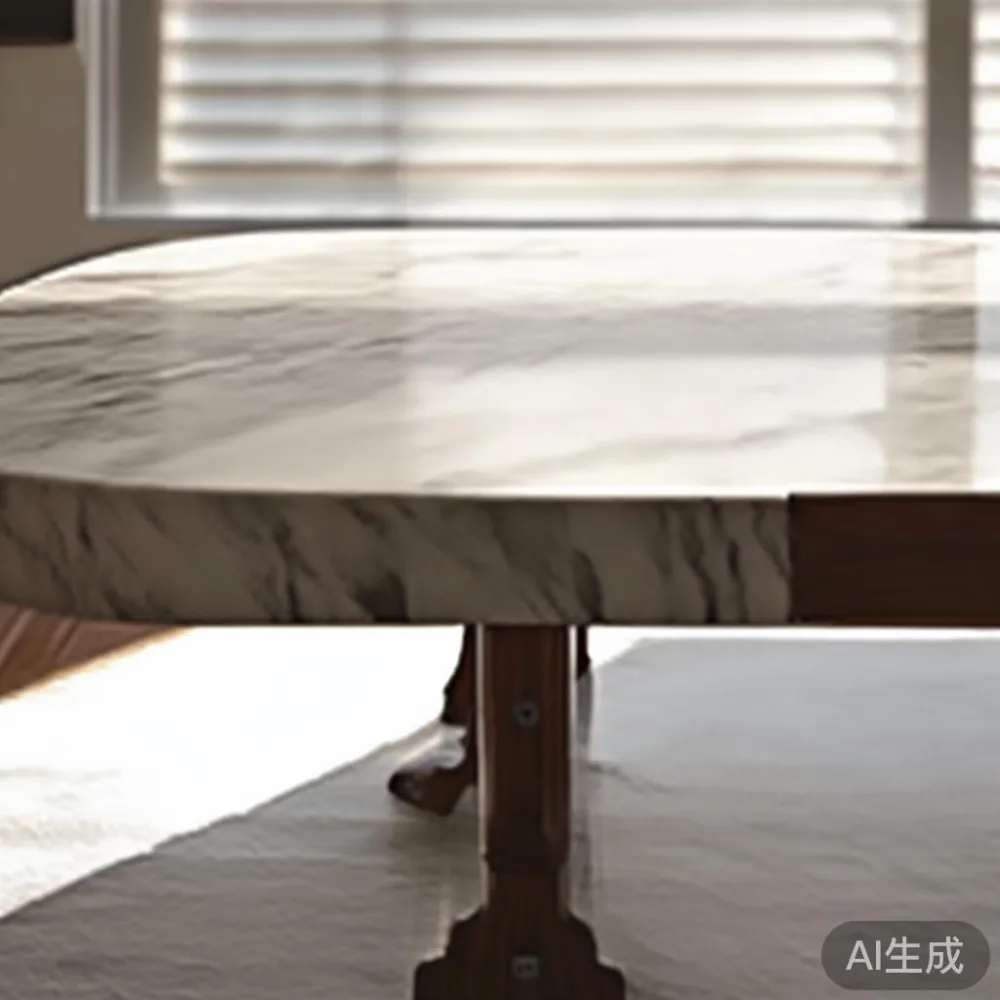
When my colleague Priya moved into her new 4-room HDB flat in Tampines last month, she was thrilled with a dining table she had waited six weeks to arrive. The pale grey rubberwood legs and the pale Carrara marble top looked exactly like the showroom photo. Two months later, a hairline fracture ran across the marble, and she discovered the warranty did not cover stone. That moment is why I sat down to write this guide. A warranty is not a marketing line. It is a 2,000-word contract written by a brand's lawyers, and the small print decides whether you pay SGD 180 for a replacement marble top or stare at a cracked table for the next decade. This article walks you through how warranties are drafted for solid wood sofa frames, bed frames, dining tables, wardrobes, and marble-top nightstands, with Singapore context for HDB corridors, lift openings, and the 9% GST that is added at checkout.
What exactly is a furniture warranty, and what is it not?
A furniture warranty is a written promise from the maker to repair or replace specific parts of a piece, for a defined period, under defined conditions. It is not insurance. It is not a return policy. It is not a guarantee that the piece will look identical to the showroom sample for ten years. The most common confusion I see in Singapore is between a warranty) and a guarantee). A guarantee is a numeric promise, often tied to a single measurable feature such as a 10-year structural warranty on solid wood joinery. A warranty is broader and contains exclusions.
At MIDHILL, for example, the 10-year structural warranty covers the joints, rails, and load-bearing components of a solid wood sofa frame or a grey rubberwood master bed. It does not cover the marble top, the fabric, the leather, or the cushions. That distinction is what trips people up. The marble is a natural material with veins, fissures, and porosity, and most makers treat it as a separate component with its own care rules and a shorter coverage window.
What are the standard warranty components I should understand by line?
Read the warranty as if you were reading a loan agreement. There are usually five sections, and each one contains numbers you can verify.
1. Structural coverage. This is the frame, the joinery, the slats, and the load-bearing rails. In Singapore HDB flats, where a queen bed often has to climb a 90 cm-wide corridor and squeeze through a lift opening of about 90 cm by 210 cm, structural failure usually means a cracked rail or a loose mortise-and-tenon joint after six to eighteen months of use. A good structural warranty is 10 years on solid wood, which is what MIDHILL offers on its bed frames and dining tables.
2. Surface coverage. This covers the marble top, the veneer, the lacquer, and the finish. Expect 1 to 3 years here, not 10. Marble is porous. Acids from lemon, wine, and even some cleaning sprays etch the polish. A marble table warranty typically excludes anything that looks like a chemical reaction, not a manufacturing defect.
3. Hardware coverage. Hinges, drawer runners, and soft-close mechanisms are usually 1 to 5 years. A wardrobe with six drawers and twelve hinges is a mechanical system; something will wear out within the first decade. Read whether the maker supplies replacements free of charge or at cost.
4. Labour coverage. This is the killer clause. Some brands cover the part, then charge you SGD 80 to SGD 250 for the technician's visit, even within the warranty period. Ask whether labour is included, capped, or fully excluded.
5. Exclusions. Read this list twice. Common exclusions in Singapore include damage from humidity above 75%, saltwater corrosion (relevant for homes in Sentosa or near the coast), and any modification the buyer carried out.
How long should a solid wood furniture warranty last in Singapore?
A practical benchmark is 10 years on the solid wood frame, 3 years on hardware, and 1 year on surfaces such as marble, lacquer, and fabric. Anything shorter on the frame is a red flag. Anything longer on the marble is wishful thinking. Light luxury positioning, whether French, American, or post-modern light luxury, sits in a price band of roughly SGD 1,800 to SGD 6,500 for a queen bed frame in Singapore, and at that band a 10-year structural warranty is standard, not exceptional.
For a solid wood sofa in a 1,200 sqft Punggol condo, expect the frame warranty to mirror the bed frame warranty. The cushions, the foam, and the upholstery sit on a separate 1-to-3-year clock. For a dining table with a marble top, the wood base follows the 10-year rule; the marble top follows a 1-to-3-year surface rule. For a wardrobe, the carcass follows the 10-year rule; the hinges and drawer runners follow the hardware rule.
For a nightstand, treat it as a scaled-down version of the wardrobe: 10 years on the box, 3 years on the slides, 1 year on the marble top. These numbers are not pulled from thin air; they reflect how rubberwood, ash, and oak behave in Singapore's average indoor humidity of 70% to 80%.
What warranty exclusions should I watch for on a marble table?
Marble is the component where buyers in Tampines and Bedok lose the most money. Five exclusions appear in almost every warranty, and you should memorise them.
1. Staining from food acids. Lemon juice, vinegar, wine, coffee, and curry will etch polished marble within minutes. The warranty will call this user damage, not a defect. Use coasters and cutting boards that withstand contact with acidic food, or accept the defect.
2. Chips on the corners. Marble chips when struck at the edge. A vacuum cleaner bumping the corner of a marble-top nightstand in a narrow HDB corridor is enough. Chips under 5 mm are usually excluded.
3. Hairline cracks from heat. A hot pot straight from the stove onto the marble top of a dining table can cause a thermal crack. Heat damage is almost universally excluded.
4. Colour variation between the showroom slab and your slab. Marble is a natural stone. The slab you receive will not look exactly like the showroom piece. Variation in vein pattern and background tone is excluded.
5. Cracks during self-assembly. If the marble top is delivered in two boxes and you assemble it yourself, any crack that appears during that assembly is your cost. Most Singapore buyers should pay the SGD 60 to SGD 120 assembly fee rather than risk a SGD 600 replacement slab.
Does the warranty still apply if I self-assemble the furniture?
Yes, usually, but with conditions. Most warranties remain valid if you follow the included instructions to the same standard a technician would. If you modify the piece, drill extra holes, sand the marble top, or swap the hardware, you void the warranty. If you lose the instruction sheet and guess, you void the warranty. If you assemble the piece on a floor that is not level, and the marble-top dining table develops a diagonal crack six weeks later, the maker will argue it is user damage.
Two practical tips. First, photograph every step of the assembly with your phone, so you can prove you followed the manual if a claim is filed. Second, keep the original packaging for at least 30 days. A Singapore HDB corridor is not a storage unit, but the boxes fit flat behind a sofa in most 4-room flats.
How do I file a warranty claim in Singapore that is paid out?
Four documents and one phone call. Gather the original invoice (with the 9% GST line visible), photographs of the defect taken in daylight with a ruler next to the damage, the warranty card or PDF, and the delivery note. Then call the maker's service line within 7 days of discovering the defect.
Most Singapore makers, MIDHILL at their Foshan-direct operation included, will respond within 3 working days, arrange a technician visit within 7 to 14 days, and resolve a structural claim within 30 days. Surface claims on a marble table usually take 14 to 45 days because the slab often has to ship from the factory. Free delivery thresholds that generally swing by brand, often US$350 equivalent for cross-border orders, mean a replacement part shipped within Singapore is usually free; a full slab shipped from overseas will be quoted separately.
How do I repair and refinish a marble-top dining table without losing the warranty?
Two routes, both warranty-safe when done correctly. Light polishing with a pH-neutral marble polish every 3 to 6 months keeps the surface hydrophobic and reduces acid damage. This is owner maintenance, not repair, and it does not void the warranty.
Resurfacing is different. Grinding the marble top to remove a stain, or polishing out a chip, is a workshop job. A maker offering lifetime refinishing on the wood frame will not necessarily refinish the marble; the stone usually has to go back to a stone workshop. Ask whether lifetime refinishing covers rubberwood, ash, marble, and dark stains, or only the wood. The answer determines whether a SGD 4,200 dining table is a 30-year piece or a 12-year piece.
How do I style a Modern light luxury queen bed in a small apartment?
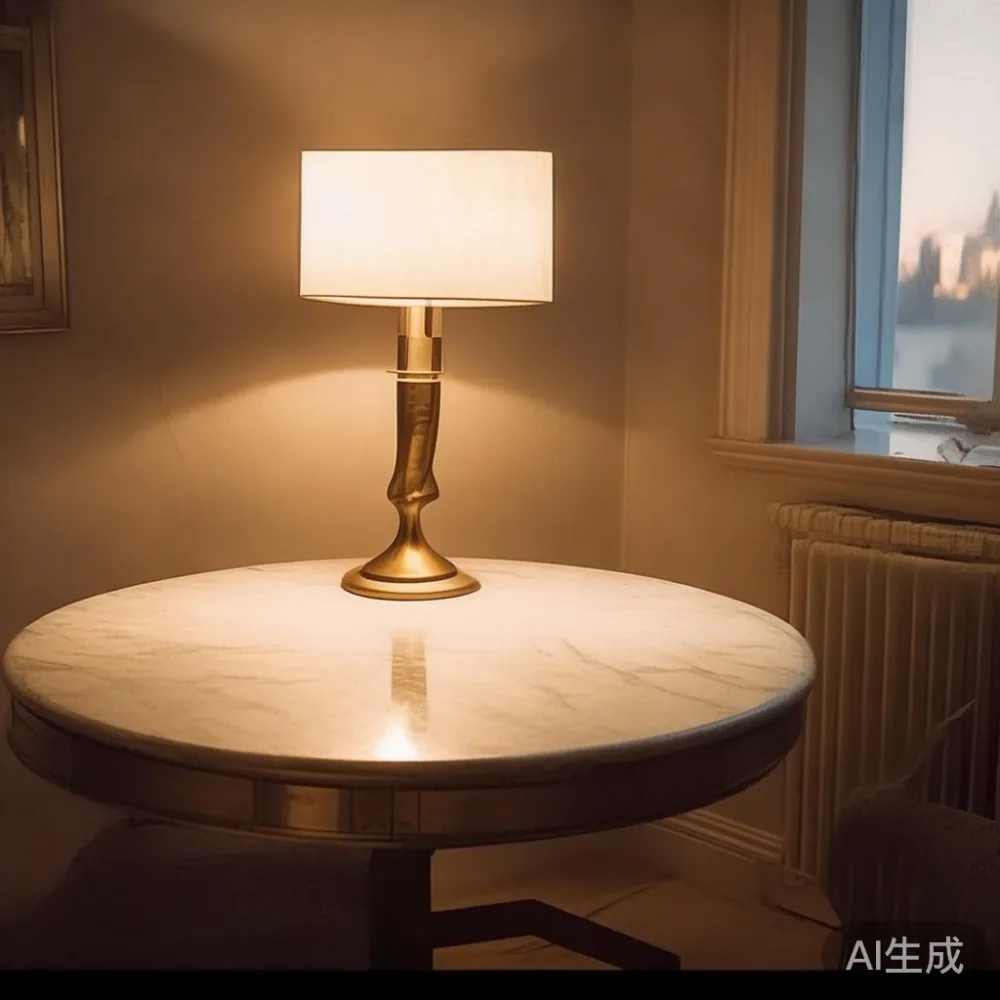
Pick a low-platform queen bed frame in pale rubberwood with a slim 8 cm headboard, keep 70 cm of clearance on both sides for walking room, and pair it with two marble-top nightstands that share the same veined white marble as the dining table to tie the room together.
Three numbers matter. A queen mattress in Singapore is 152 cm by 190 cm. A standard HDB bedroom wall is roughly 320 cm to 380 cm. Leave 70 cm on the long sides for wardrobe doors and 50 cm at the foot for walking room, and the bed will fit comfortably in a 3.2 m by 3.0 m room, which is the typical HDB master bedroom in a Punggol BTO. Light luxury here means French light luxury silhouettes with American light luxury furniture scale: slim lines, pale oak, and brushed brass handles on the nightstand drawers. One pendant light at 110 cm above the floor, two marble-top nightstands at 50 cm tall, and one grey rubberwood master bed dressed in pine with an oatmeal linen quilt is the whole recipe.
Two details to keep in mind. The marble top of the nightstand needs a coaster for the water glass, because the warranty coverage for liquid damage is usually excluded. The slatted base of the bed frame needs 5 cm of clearance under it for airflow in Singapore's humidity, or the rubberwood will smell. Lift access to the floor is a separate factor, since the queen and the inner crate often have to angle in a 90 cm by 210 cm lift opening, so check the inner box dimensions before you order.
What are the five warranty numbers I should write down before I click pay?
Five numbers, all written on the invoice or the warranty page, save arguments later.
1. Structural coverage in years. 10 is the benchmark. Anything below 5 is a warning sign on a solid wood frame.
2. Surface coverage in years. 1 to 3 on marble, lacquer, and fabric. Anything claiming 10 years on the surface is either generous or vague.
3. Hardware coverage in years. 1 to 5 on hinges and drawer runners.
4. Labour cost in SGD. SGD 0 means labour is included. SGD 80 to SGD 250 means a fee applies.
5. Claim response time in days. 3 to 7 working days for a first response, 7 to 14 days for a technician visit, 30 to 45 days for resolution. Anything not written down is not enforceable.
Are 14-day returns the same as a warranty?
No, and the difference matters. A 14-day return policy is a Singapore Consumer Protection (Fair Trading) Act right that applies to online orders above SGD 500, allowing you to return a piece within 14 days of receipt for a refund, provided the piece is in original condition. A warranty is a longer promise from the maker to repair or replace defects over months and years. A return is a one-shot right. A warranty is an ongoing relationship.
In practice, Singapore buyers should treat the return window as the inspection window. Unbox the piece, check the marble top for cracks, check the solid wood sofa frame for wobble, check the wardrobe drawers for alignment, and file any claim within the 14 days. After day 14, you live by the warranty.
What questions should I ask the salesperson before I buy a marble-top piece?
Seven questions, each one a number. What is the structural coverage in years? What is the surface coverage on the marble top in years? Is labour included in SGD, or is there a service fee? What is the response time for a claim in days? Does lifetime refinishing extend to the marble top, or only the wood? What is the inner crate dimension in cm, and does it fit a 90 cm by 210 cm HDB lift? What is the GST-inclusive price in SGD, and does free delivery apply above a stated threshold?
The salesperson who answers all seven without reaching for a brochure is the salesperson worth buying from. The salesperson who waves a hand and says everything is covered is the salesperson worth walking away from.
What is the one warranty clause I should never sign away?
The clause that converts the warranty from a repair promise into a replacement-only promise at the maker's discretion. Some warranties allow the maker to repair the piece three times, and on the fourth defect, offer a replacement of equivalent value. The trap is that equivalent value is calculated on the depreciated value of the piece, not the original invoice price. A SGD 3,800 dining table bought three years ago may be depreciated to SGD 1,900, and the maker will offer a SGD 1,900 replacement, not you.
Read the depreciation schedule. If the maker deducts 10% per year on a 10-year warranty, a claim in year 6 returns 40% of the invoice value. If the maker deducts 20% per year, a claim in year 6 returns nothing. The depreciation schedule is the single most expensive number on the warranty page, and it is almost always printed in 9-point font at the bottom.
Final checklist before you sign for delivery in your HDB flat
Photograph the marble top of the dining table under daylight before the delivery crew leaves. Photograph the slats of the bed frame and the corner blocks of the wardrobe. Photograph the drawers of the nightstand. Photograph the cushions of the solid wood sofa. Save the photos with a timestamp. File the warranty PDF in a folder named Furniture. Then, six months later, when the marble top develops a faint stain from a polish, you will know whether the stain is covered, whether the labour is included, and whether the maker is a partner or a vendor.
A warranty is a contract. Read it the way you read a tenancy agreement, with a highlighter and a ruler. The 10-year structural number is your anchor. The 1-to-3-year surface number is your reality check. The labour number in three figures is your budget. The response time in days is your patience. The depreciation schedule in percent per year is your ceiling. Memorise those five numbers, and the warranty will never catch you out.