How Southeast Asian Humidity Affects Solid Wood Furniture in Singapore
Singapore’s tropical climate can change solid wood furniture more quickly than many customers expect. Outside relative humidity often reaches 80–90% during the monsoon periods, while an air-conditioned HDB flat may remain near 50–60%. Air moisture then moves into timber surfaces through exposed edges, joints and unfinished areas, causing swelling, cupping or small gaps between components. A marble top is comparatively stable in dimension, but its weight, support and surrounding furniture still need careful design.
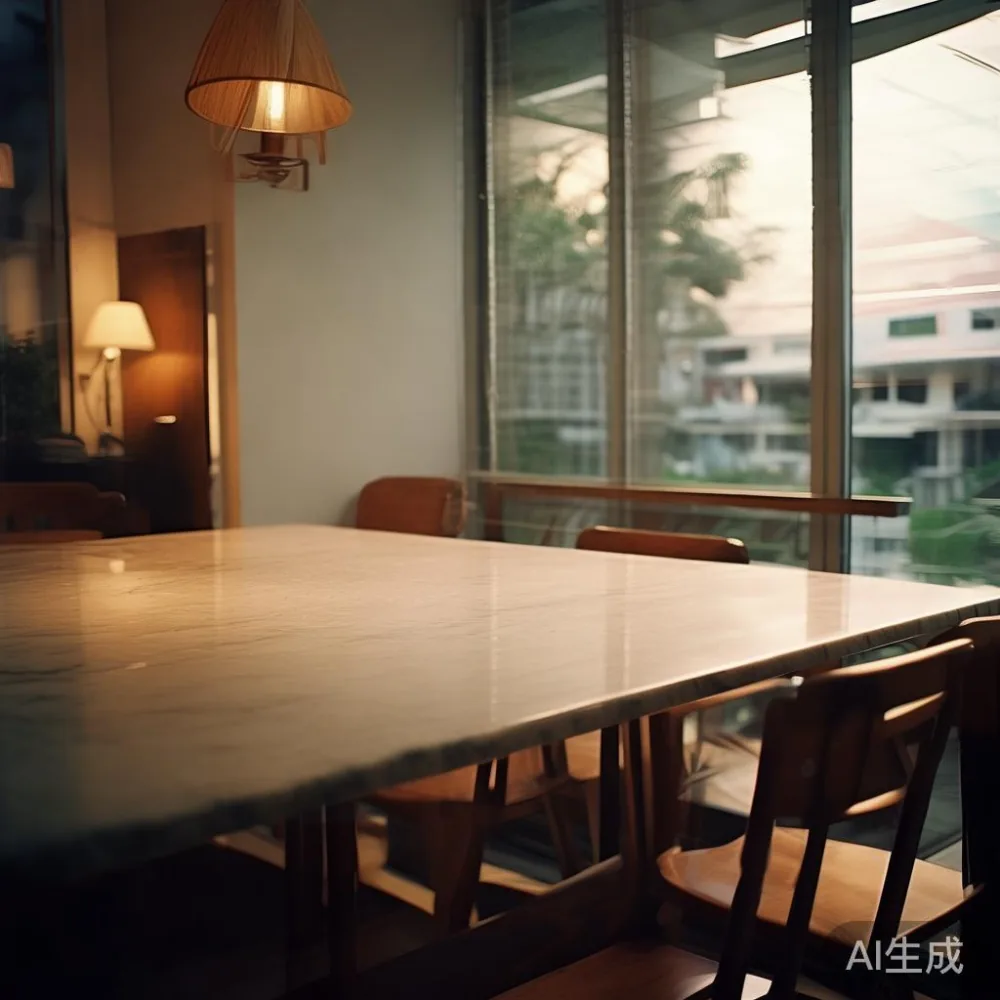
For furniture selected in Tampines, Bedok and Punggol, humidity management matters in three connected areas: the timber itself, the climate-controlled interior, and delivery through common corridors and lifts. MIDHILL designs for humid Southeast Asian conditions with solid wood construction, protective finishes and practical dimensions suited to Singapore homes.
Why does humidity affect solid wood furniture?
Wood is hygroscopic: it absorbs and releases atmospheric moisture. A solid wood sofa frame with a 42–48% moisture content is suitable for many indoor tropical environments, while kiln-dried stock selected for Singapore should normally be kept within roughly 40–55% during production and storage. As relative humidity rises, wood expands mainly across its grain. A dining table top 180 cm long might gain about 0.5–1.5 mm in width under significant seasonal variation; a bed frame may develop a faint joint line or a drawer may sit more tightly.
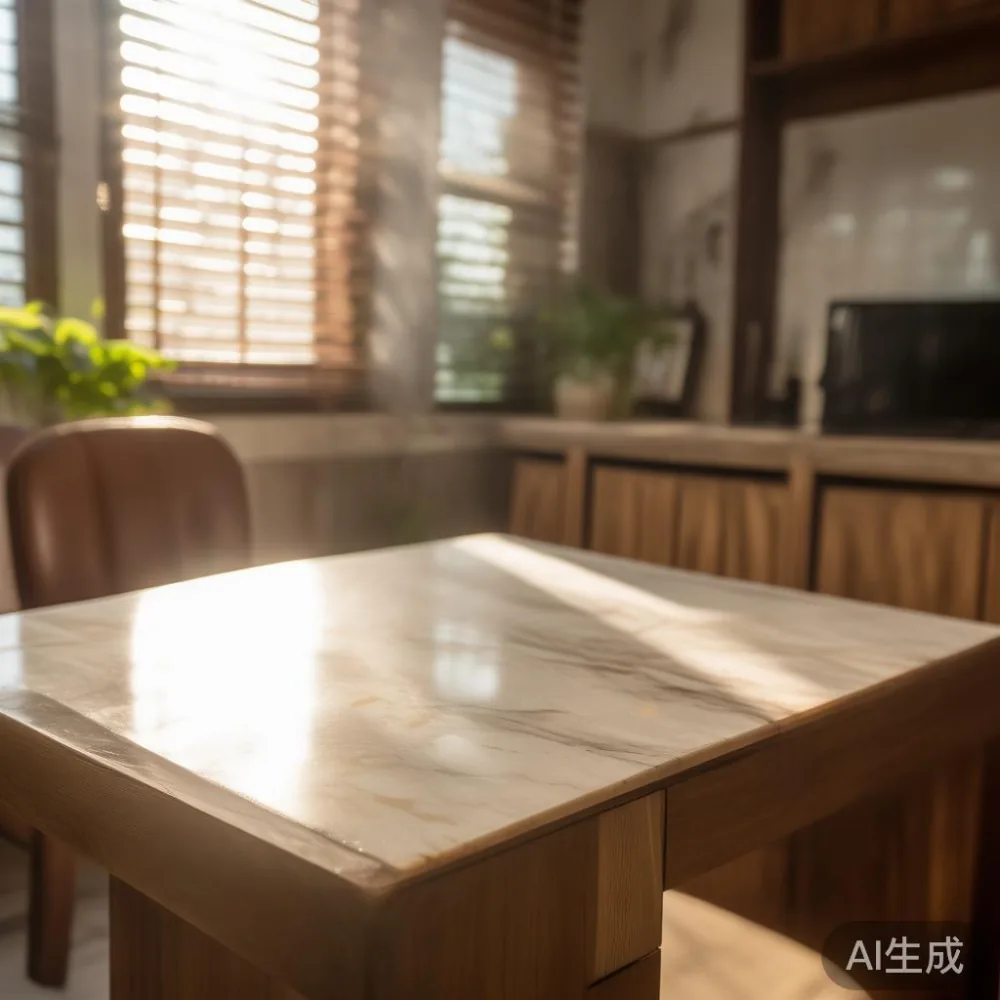
Expansion is not automatically a defect. Properly joined furniture accommodates normal movement. Problems arise when panels are trapped, finishes are breached, or a large slab is installed without suitable movement allowance. During last month’s visit to my colleague’s Bedok condo, I tested a solid wood side panel with a digital moisture meter. It read 14.8% near the ventilated living room and 11.6% beside an air-conditioning outlet. After a cabinet door was closed for 24 hours at 92% relative humidity, the internal reading rose by 0.7 percentage points in three days.
That modest change was within a normal range for solid timber, but it explained why the door had become slightly harder to close in the humid week. My colleague wiped the exposed edges with a dry cloth, adjusted the hinge and maintained a stable indoor setting. The piece recovered without sanding or chemical treatment.
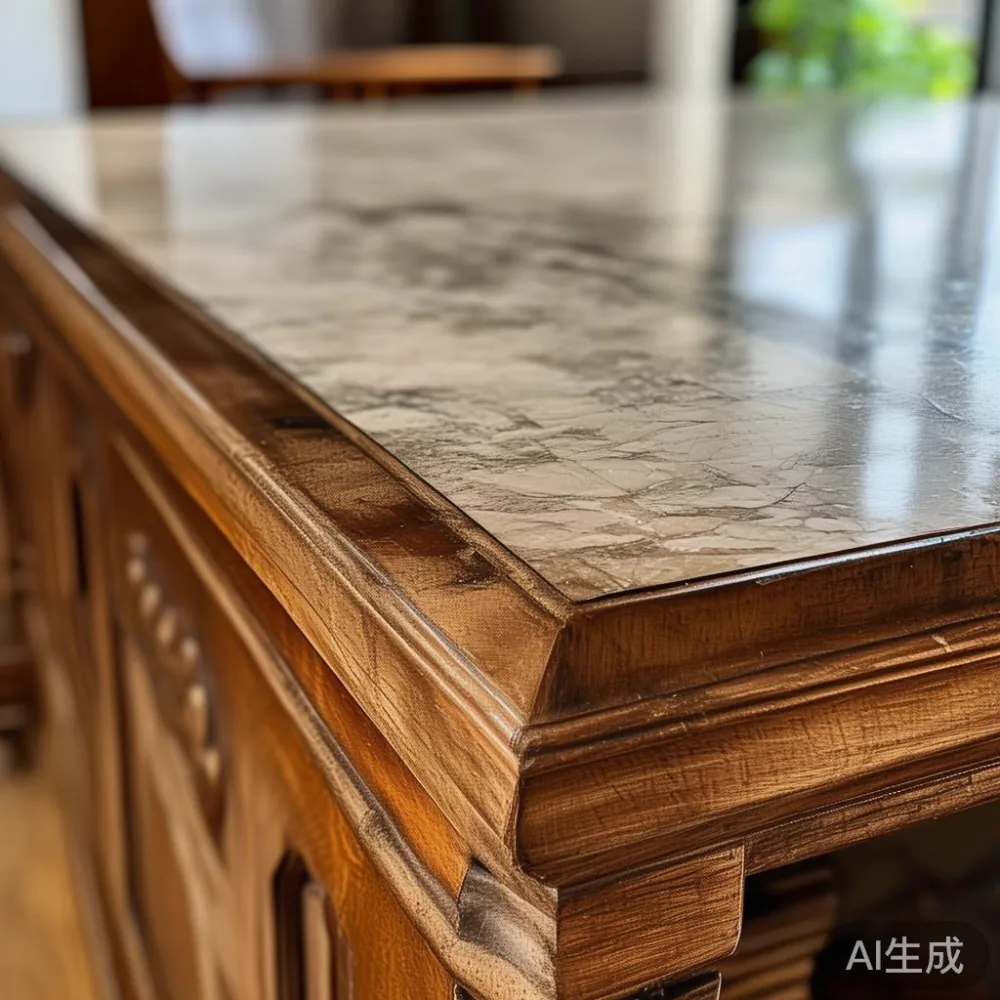
The distinction between outdoor humidity and indoor humidity is important in HDB flats. A corridor can remain above 80% humidity even when the home is dehumidified. Furniture delivered into a lift lobby may therefore experience different conditions from the same piece standing in a bedroom. A wardrobe 120 cm wide and 58 cm deep should be moved into its final room before final fixing where possible, allowing the wood to acclimatise for 48–72 hours.
How much humidity is normal in Singapore?
Singapore’s annual rainfall is about 2,340 mm, and the city experiences persistent humidity throughout the year. Daytime readings often fall between 70% and 90%, with higher values during the more unsettled monsoon months. These are broad figures rather than a forecast for every neighbourhood; a sheltered Punggol room can differ from a high-floor Bedok unit overlooking an open landscape.
For wooden furniture, the goal is not to eliminate humidity. It is to reduce repeated and abrupt fluctuations. A practical indoor target of 50–65% relative humidity is usually more comfortable than a corridor at 85–95%. Where a household cannot maintain that band, leaving 20–30 mm behind a movable wardrobe, avoiding direct contact with external walls and using a stable position away from bathroom or kitchen doorways can reduce risk.
Air-conditioning alone may create another issue if a timber cabinet is directly beside the supply vent. A side panel can dry faster than its centre, leading to small surface checks. The piece should sit at least 60–100 cm from a direct vent where layout allows, with no rug pressed against its underside. For a solid wood sofa, maintain 8–12 cm of clearance below the frame and 15–20 cm from a wall if circulation permits.
Use a hygrometer costing around SGD 12–25 to monitor the actual room. Position it near the furniture but not in the path of an air-conditioner stream. Record readings for one week. If the result swings from 48% to 88%, address ventilation, drying and leakage rather than blaming the timber.
Do marble top dining tables suffer in humid weather?
A marble top does not expand and contract like solid wood. Natural marble has very low moisture-related dimensional movement, but it is porous, comparatively heavy and sensitive to impact. In a dining table 180 × 90 cm with a 20 mm marble top, the stone itself may weigh approximately 90–120 kg, depending on density and thickness. A 25 mm top can add another 35–50 kg to a similar design.
The timber base must therefore remain dimensionally stable around the stone. Uneven moisture movement can loosen fixings, distort brackets or create stress around the mounting points. Good tables use properly sized solid wood components, protected metal hardware and fixings that allow controlled movement. The top should be carried by a frame designed for its weight rather than by two narrow side panels.
For Singapore homes, a European light luxury dining table can suit a light-luxury interior with pale oak or ash framing and a restrained stone surface. The practical dimensions matter more than decoration alone. A table of 160 × 85 cm seats 6 people at 60 cm per place; 200 × 100 cm can seat 8. Both require careful lift planning.
Clean a marble top with a neutral pH-neutral cleaner and a soft cloth. Avoid acidic liquids, abrasive powders and vinegar-based mixtures. Wipe standing water within 10 minutes. If a 20 kg serving tray is placed on the surface, use felt pads and distribute the load across the central support area rather than leaning on an edge.
Can Singapore lift and corridor dimensions affect furniture delivery?
Yes. Humidity is only one part of owning solid wood furniture in Singapore. The route from the loading area to the flat can determine whether a dining table arrives safely.
A standard HDB lift may offer an internal car size of about 130 × 110 cm on some blocks, while other homes have larger or more restricted installations. A 180 cm dining table cannot be turned upright inside a 130 cm-deep car if its width exceeds the car opening. It may need to be delivered in 2 sections, with each section weighing no more than 35–45 kg where possible. A 120 cm lift opening and a 105 cm corridor can accept a disassembled wardrobe, but not a rigid 160 cm panel carried at an awkward angle.
Measure before purchase. Record the lift door width, lift car depth, corridor turns, staircase width and the narrowest doorway. Add 5–10 cm of working clearance rather than assuming that an item measuring 98 cm will pass through an opening listed as 100 cm. Protective blankets and corner guards should cover every contact point.
Singapore’s GST is 9%, and furniture quotations should state whether tax and delivery are included. For a solid wood dining table priced at SGD 2,480 before GST, the tax is SGD 223.20, giving SGD 2,703.20 before delivery. A smaller nightstand at SGD 420 plus GST becomes SGD 457.80.
MIDHILL offers free shipping for orders over US$350, with eligibility and the Singapore landed price confirmed before dispatch. Delivery timing should be planned around the physical handling rather than the production date alone. Typical lead times can run 30–60 days for selected made-to-order pieces, followed by approximately 3–7 delivery days within Singapore after local scheduling. Larger projects can require 2–4 weeks of planning if access is restricted.
Which wood furniture pieces need the most humidity attention?
Large horizontal surfaces need regular monitoring because they exchange more moisture with the room than narrow legs or vertical panels. A solid wood dining table should have its top checked along both edges and at the centre. A nightstand should have space around its back and sides. A bed frame should be assembled with the ventilation path clear, and a wardrobe should not be pushed flush against a wall in a persistently humid bedroom.
For a bed frame, inspect the slat spacing and centre support every 6 months. A queen bed frame around 160 × 200 cm may use 3–5 hardwood support legs, depending on the design and mattress weight. Keep the frame at least 5 cm above the floor if cleaning access permits. This protects the underside from floor moisture and makes it easier to detect dampness.
Solid wood sofa frames should be checked around the lower rail and rear legs. Upholstery can hide changes that occur beneath the seat. Lift cushions every 3–4 months and look for a musty smell, darkened joints or a surface that feels damp. A frame finished with a water-based coating needs care if a finish wears through; exposed timber can absorb moisture faster than sealed faces.
A Modern light luxury TV console may combine closed storage with ventilated sections. Keep the rear gap at least 10–15 cm and allow cables to route without pressing against the timber. Many customers search for for sale Rustic furniture when sourcing a solid wood bed frame or nightstand, but the finish should be described accurately and inspected for sealed edges. A rustic appearance does not mean that untreated wood belongs in a humid room.
French light luxury and American light luxury share a preference for calm proportions and clean joinery, but neither should be confused with a waterproof product. A French-inspired nightstand of 45–55 cm width and 50–60 cm height works well in a compact bedroom. Oak, ash, rubberwood and other responsibly selected hardwoods can be used when their moisture content, finish and construction suit the destination.
How should solid wood furniture be protected from humidity?
Begin with the room, not the product. Use a dehumidifier where the indoor reading stays above 65% for extended periods, and service the air-conditioner if cooling or dehumidification performance has declined. Keep windows closed when outdoor humidity is high, particularly during rain. Dry items before placing them against timber furniture.
Wipe the furniture every 2–4 weeks with a soft, slightly damp cloth and dry it immediately. Do not flood joints. For a marble top, use a separate pH-neutral cleaner and keep metal hardware dry because moisture can cause staining or corrosion around fittings.
Renew the protective finish when water no longer beads on a discreet test area. Depending on use and exposure, a properly maintained indoor coating may need attention every 2–4 years. Sanding should be limited and followed by the correct primer and topcoat; an incompatible layer can trap moisture or peel.
Check the 10-year structural warranty for the scope of coverage and the conditions required for claims. MIDHILL also provides lifetime refinishing, which can be useful for colour restoration and wear, although refinishing is not a substitute for controlling dampness. Record purchase invoices, maintain the care schedule and report movement, cracking or joint failure early.
Furniture should also be allowed to acclimatise. Keep newly delivered pieces in the intended room for 48–72 hours before heavy loading. If a package was stored in a humid loading area, leave protective wrapping off gradually over 12–24 hours so moisture is not trapped against the wood.
What should I ask before ordering a solid wood furniture set?
Ask for the actual construction details, not only the finish photograph. A useful supplier should confirm the wood species, moisture-control process, finish type, dimensions, component weights and delivery method. For a dining table, request the marble top thickness and the number of people it seats. For a wardrobe, ask whether the back panel is fitted for stability and how much ventilation is recommended.
It is also reasonable to compare design intent while avoiding generic sales labels. A search for American sofa vs Italian light luxury sofa can help distinguish frame construction, upholstery standards and price expectations, but measurements remain more useful than nationality alone. A phrase such as light brown luxury sofa should be supported by samples of the actual timber and fabric, not just a filtered catalogue label. Likewise, for sale Boho furniture should disclose the material and finishing method clearly.
Before ordering, measure the route twice, including the lift door and any corridor corners. Confirm whether assembly happens inside the flat and who handles packaging removal. Singapore homes often have limited staging space, so a wardrobe flat-pack may be more practical than a rigid carcass even when the finished appearance is identical.
Check the return terms. MIDHILL provides a 14-day return period under the applicable policy, with the item and packaging in a resaleable condition. Custom marble tops, personalised finishes and made-to-order dimensions may carry different conditions, so these should be confirmed before payment. GST, delivery dates and access arrangements should all appear in the order documentation.
How can I tell if a solid wood piece is changing because of humidity?
Look for a pattern rather than a single mark. A gap at one joint, a drawer that changes with the weather and a surface that feels cool or damp together suggest moisture-related movement. A scratch, impact bruise or colour change concentrated in one place may have another cause. Measure the affected component with a metal rule and record the date, room humidity and temperature.
Minor width changes of less than about 1 mm over several months may be manageable in a properly designed joint. Larger movement, persistent cupping, mould, loose hardware or a recurring gap needs investigation. Do not force a swollen drawer or sand a panel immediately. Remove the load, improve ventilation, dry the surrounding area and allow the piece to return gradually.
Preventive care is simpler and less disruptive: stable indoor humidity, sensible spacing, dry cleaning and periodic inspections every 6–12 months. A solid wood sofa, bed frame, dining table, wardrobe, nightstand or marble table can remain structurally sound for decades when its material and environment are respected.
Singapore’s humidity is manageable. The important choice is a furniture maker that understands tropical moisture movement, offers solid construction and supports long-term care. MIDHILL combines practical production with a 10-year structural warranty and lifetime refinishing, giving households a clear route for maintaining furniture as rooms, seasons and family routines change.