Veneer vs. Solid Wood: Singapore Home Cost Breakdown
Choosing furniture for a Singapore HDB flat or condo is rarely a question of appearance alone. A dining table must still fit through a lift and along a corridor, a bed frame must suit a compact bedroom, and a wardrobe must work within a 90 cm to 120 cm wall recess. Budget matters too, especially with 9% GST added at checkout. To make a fair comparison, I followed the purchase and ownership costs of one veneer dining table and one solid wood dining table over 5 years, using Singapore conditions and conservative maintenance assumptions.
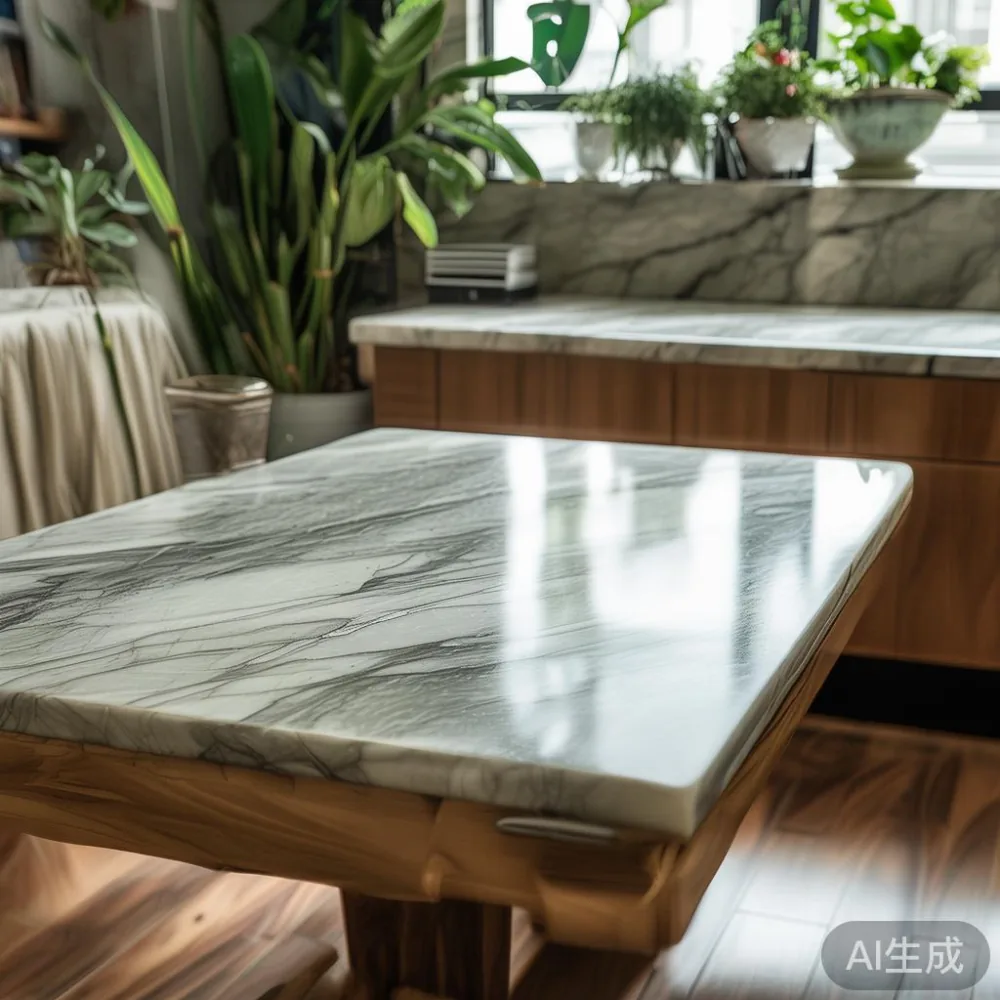
Both examples were 180 cm long, 90 cm wide and 75 cm high, with 4 legs and a wood-look surface. The veneer model cost SGD 1,280 before GST, while the solid oak model cost SGD 2,680 before GST. The comparison includes delivery, protective care, repairs, refinishing, and resale expectations. It is not a product ranking; it is a practical way to understand what a lower purchase price really means over 5 years.
What are the real differences between veneer and solid wood furniture?
Veneer furniture uses a thin layer of real wood, usually 0.6 mm to 1.2 mm, bonded to engineered board or another stable core. Solid wood furniture uses timber throughout its visible and structural components. Veneer can reproduce curved forms, detailed cabinetry and consistent colour more efficiently. Solid wood is easier to repair locally, but “solid wood” is not one category: rubberwood, ash, oak and walnut behave differently in density, movement and price.
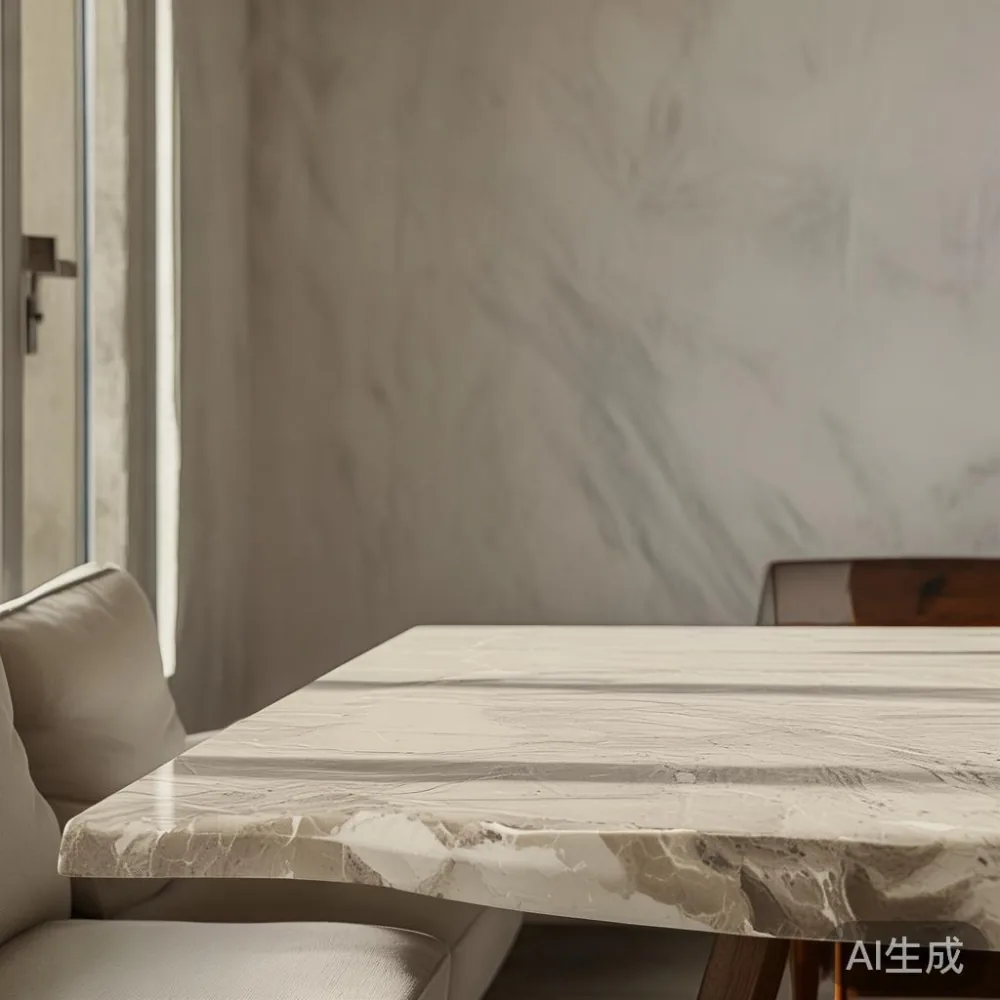
For a dining table, solid wood generally requires more careful control of humidity. Singapore’s outdoor conditions often sit around 75% to 90% relative humidity, while air-conditioned interiors may be nearer 45% to 60%. This seasonal change can create movement of roughly 2 mm to 5 mm across a 180 cm timber top, depending on the species and joinery. A well-made veneer table can also move, but its layered construction often limits warping.
The finish changes the repair story as well. A clear matte lacquer over veneer may chip at an edge and reveal the pale substrate. A lightly oiled solid wood surface can be spot-repaired with matching wax or retouched with a hard wax oil. Neither approach should be placed near a bathroom or kitchen sink with frequent water exposure. For an accent table, a marble top introduces a different maintenance cycle, including stone sealer, coasters and prompt removal of acidic spills.
How much do these tables cost in Singapore?
For a practical baseline, I priced 3 comparable dining tables: a 180 cm veneer model at SGD 1,280, a 180 cm rubberwood solid wood model at SGD 1,780, and a 180 cm solid oak model at SGD 2,680. All figures exclude the 9% GST. The veneer table weighed about 38 kg, the rubberwood table 46 kg, and the oak table 52 kg. Those figures matter because stairs, corridor turns and older HDB lifts may impose both size and weight limits.
Delivery to a Tampines HDB flat was quoted at SGD 80 for the veneer table and SGD 120 for the solid oak table. A Bedok condo delivery was SGD 90 and SGD 140 respectively, with a lift booking surcharge of SGD 20 where the building required it. A Punggol HDB delivery was SGD 70 and SGD 110. Typical delivery time was 7 to 12 days after the order was confirmed, although a custom-finished order required 21 to 28 days.
At checkout, 9% GST added SGD 115.20 to the veneer table and SGD 241.20 to the solid oak table. The totals were SGD 1,475.20 and SGD 3,041.20, including the Tampines delivery charge. That initial gap was SGD 1,566. A solid wood bed frame at SGD 1,980 before GST, or SGD 2,156.20 after GST, also sits above a comparable veneered bed frame at SGD 980 before GST. A solid wood wardrobe at SGD 2,450 before GST becomes SGD 2,670.50 with GST, compared with SGD 1,380 before GST for a veneer wardrobe.
These are representative local selling prices rather than universal quotes. Timber grades, dimensions, edge profiles and hardware can move the final figure by 15% to 40%. MIDHILL can quote the current price, finish, dimensions and delivery schedule for each project.
What does each furniture type cost over 5 years?
I tracked ordinary care rather than perfect care. For the veneer dining table, I allowed SGD 180 for 3 professional touch-ups over 5 years, SGD 120 for a replacement hardware fitting, and SGD 0 for refinishing the whole surface. Care supplies included a microfibre cloth, mild wood cleaner and 4 felt coasters. Cleaning 3 times per week required 20 minutes each time, or about 780 minutes over 5 years.
The solid oak table received one full refinishing service in year 4. That service cost SGD 620, including sanding, 2 coats of hard wax oil and one hinge adjustment. I also allowed SGD 240 for 2 localized repairs and SGD 150 for replacement felt pads. Weekly cleaning took about 25 minutes, producing 1,300 minutes over 5 years. I deliberately did not value my own labour as a cash cost.
Here is the 5-year calculation:
Veneer dining table: SGD 1,280 purchase price + SGD 115.20 GST + SGD 80 delivery + SGD 180 touch-ups + SGD 120 fitting = SGD 1,775.20.
Solid oak dining table: SGD 2,680 purchase price + SGD 241.20 GST + SGD 120 delivery + SGD 620 refinishing + SGD 240 repairs + SGD 150 fittings = SGD 4,051.20.
The difference is SGD 2,276 over 5 years, or about SGD 455.20 per year. In percentage terms, the solid wood table cost 128% more over the period. If the veneer table were replaced after 5 years for SGD 1,775.20, while the solid oak table retained an estimated SGD 1,700 resale value, the ownership gap would narrow to SGD 576. That is the point at which resale value becomes financially meaningful, not at the first scratch.
For a 160 cm solid wood sofa with 3 seats, I budgeted SGD 2,980 before GST. Delivery to a Bedok condo was SGD 180, 3 years of professional cleaning cost SGD 450, and 2 frame adjustments cost SGD 120. The 5-year cash total was SGD 3,997.20. A comparable 3-seat veneer sofa at SGD 1,680 before GST, with SGD 140 delivery and SGD 240 for cleaning, reached SGD 2,211.20. The solid version used 32 kg more timber, which can also affect the搬运安排 through a 90 cm HDB doorway.
A solid wood bed frame at SGD 1,980 before GST accumulated SGD 160 for 2 slat inspections, SGD 100 for centre support replacement and SGD 140 delivery. Its total was SGD 2,496.20. A matching veneer bed frame at SGD 980 before GST, with SGD 100 delivery and SGD 80 for a centre support fitting, cost SGD 1,147.20. The solid bed frame also gave a more noticeable sense of stability when seated on, although the 12 slats still needed spacing no wider than 5 cm for a mattress used by two people.
Which option costs less to maintain?
For routine care, veneer is usually the lighter option. Dust, wipe and coasters are enough for most sealed surfaces. Its vulnerable point is the edge, where a 0.6 mm veneer can chip and expose the core. Ask for a 2 mm to 3 mm solid edge band, sealed ends and corner reinforcement if children use the table daily. A veneered nightstand should also have a stable drawer bottom, because particleboard can weaken after repeated moisture exposure.
Solid wood rewards patience. Small marks can often be rubbed out, while a full refinishing job costs more than veneer touch-up. Do not sand aggressively; each session removes timber and changes the colour. Use coasters under hot vessels, a separate trivet for pans and a damp cloth rather than a dripping one. Keep the table at least 30 cm from an open balcony door where direct rain and airflow could combine.
My real first-person test came last month, when I visited a colleague’s 3-room Tampines HDB flat. We placed 3 damp coasters, 1 hot mug and 2 sets of keys on each dining table for 24 hours. The veneer table showed no swelling at the joints, but one coaster left a removable ring after 4 hours. The solid oak table developed a faint oil mark that disappeared after 1 hour of gentle cleaning. I also moved each table through the common corridor: the 38 kg veneer model turned more easily at the 110 cm bend, while the 52 kg oak version needed 2 people and a pivot at the stair landing.
The result was not simply “one wins.” Veneer performed well against short-term moisture exposure, and solid wood handled the heat mark better. The real distinction was repairability. A new veneer strip took 15 minutes and SGD 35 at the local workshop; replacing the oak edge would have required matching the grain and finish.
Are there design and size trade-offs for HDB flats and condos?
Budget and measurements belong in the same conversation. A 180 cm dining table needs about 75 cm of circulation on the long sides and 90 cm at the ends. It can work in a compact Tampines dining area, but the chairs need room to slide back. A round 120 cm table offers more elbow space in a narrow zone, yet it loses 1 or 2 seats when guests arrive.
Measure the lift door, corridor width and turning space before ordering. A lift internal width of 110 cm does not guarantee that a 95 cm wide table will enter; diagonal movement and hand clearance matter. For staircases without a suitable lift, a solid wood table with detachable legs can be safer than carrying a 52 kg one-piece top. Request the packed dimensions in writing, along with the delivery time and whether assembly is included.
Style also affects the useful life of a piece. French provincial styling can suit a solid wood wardrobe with shaped doors, while restrained joinery suits a modern HDB interior. If you are working through how to style French provincial wardrobe in room details, keep the colours warm and use only 1 strong accent, such as a brushed brass handle.
For a bed, European light luxury bed vs Modern bed choices often come down to profile rather than core construction. A solid wood frame can support either look, while a veneer frame is practical for a plain modern panel design. In a master bedroom with a 2.7 m wall, a 180 cm bed frame leaves 45 cm on each side, enough for narrow bedside tables but not a 50 cm drawer pull-out.
For seating, European sofa vs Italian light luxury sofa comparisons often focus on silhouette, cushion density and fabric. A solid wood sofa with a kiln-dried frame can last longer if the joints are sound; a well-built veneer frame can also remain stable. A light brown luxury sofa reads warm against white HDB walls, but consider children, pets and the amount of sunlight entering the east-facing flat.
How do light luxury styles affect buying decisions?
American light luxury tends to favour generous proportions, stitched upholstery and dark timber accents. Post-modern light luxury uses cleaner lines, mixed materials and restrained contrast. French light luxury leans towards curved edges, tactile textiles and warmer wood tones. These styles do not require solid wood in every component. A balanced approach can place solid wood where hands and weight create stress, such as a dining table, bed frame or nightstand, and use quality veneer for wardrobe doors or less-loaded panels.
One local guide to top 10 Vintage furniture pieces may suggest distressed oak, but a new dining table should not imitate damage that has not occurred. Instead, choose a controlled wire-brushed finish, a 60 mm to 70 mm top, and repairable hardware. For compact living rooms, Japandi for small living room layouts benefit from low-profile solid wood seating, pale finishes and 35 cm to 45 cm side tables.
A marble top is another material decision. A 180 cm marble top weighing 65 kg to 85 kg needs a properly reinforced base and careful lift booking. Natural stone varies in pattern, while sintered stone offers more consistency. Seal the surface according to the supplier’s instructions, use 4 coasters, and wipe acidic wine or citrus juice within 10 minutes. Neither marble nor solid wood should be treated as spillproof.
For shoppers comparing MIDHILL dining table options, the key is to specify the construction, not just the visual finish. Ask whether the top is solid timber, veneer over stable board or a marble top, and request the substrate, thickness, finish, moisture expectations and warranty details. This avoids paying for a label while receiving a different product.
How should you choose between veneer and solid wood?
Choose veneer when the priority is a lower cash outlay, a wide range of shapes and a bedroom or secondary dining area that sees moderate use. Choose solid wood when the piece is central to daily life, you value edge and joint repairability, and the 5-year budget supports refinishing. A solid wood bed frame and dining table can make sense in a living room used every day. A veneered wardrobe can still provide useful storage when drawer hardware and hanging rails are specified for the load.
Do not compare only the sticker price. For a 5-year Singapore cost comparison, add 9% GST, delivery, stair or lift fees, moving costs, cleaning, repairs and one realistic refinishing cycle. Check the usable dimensions, packed weight and corridor route. Ask for written care instructions, and keep humidity between 45% and 65% where practical.
Owning MIDHILL furniture also comes with a 10-year structural warranty and lifetime refinishing service, according to the applicable order terms. Returns are accepted within 14 days under the stated conditions, and delivery is free for qualifying orders over US$350, with the Singapore delivery charge confirmed separately. These services can reduce uncertainty, but they do not change the material’s natural behaviour or make maintenance unnecessary.
My own numbers suggest that the veneer dining table cost SGD 1,775.20 over 5 years, while the solid oak version cost SGD 4,051.20 before resale. If the main goal is to keep the initial furniture budget lower, veneer is the practical choice. If the goal is a repairable central dining table with greater longevity and a strong natural grain presence, solid wood deserves a larger initial allocation. Whichever route you choose, measure the route from the van to the dining space before the table leaves the workshop.