Veneer vs Solid Wood Furniture in Singapore: A 5-Year Cost Reality Check (With Real Receipts)
When my colleague Priya moved into her new 4-room BTO in Punggol last March, she did what most new homeowners in Tampines, Bedok, and Punggol do — she walked through the showrooms at Tampines Mega, scrolled through Carousell, and asked her mother-in-law for advice. Her brief: a solid wood sofa for the living room, a dining table for four, a queen bed frame, two nightstand pieces, and a three-door wardrobe. Her budget cap was S$6,000 for everything.
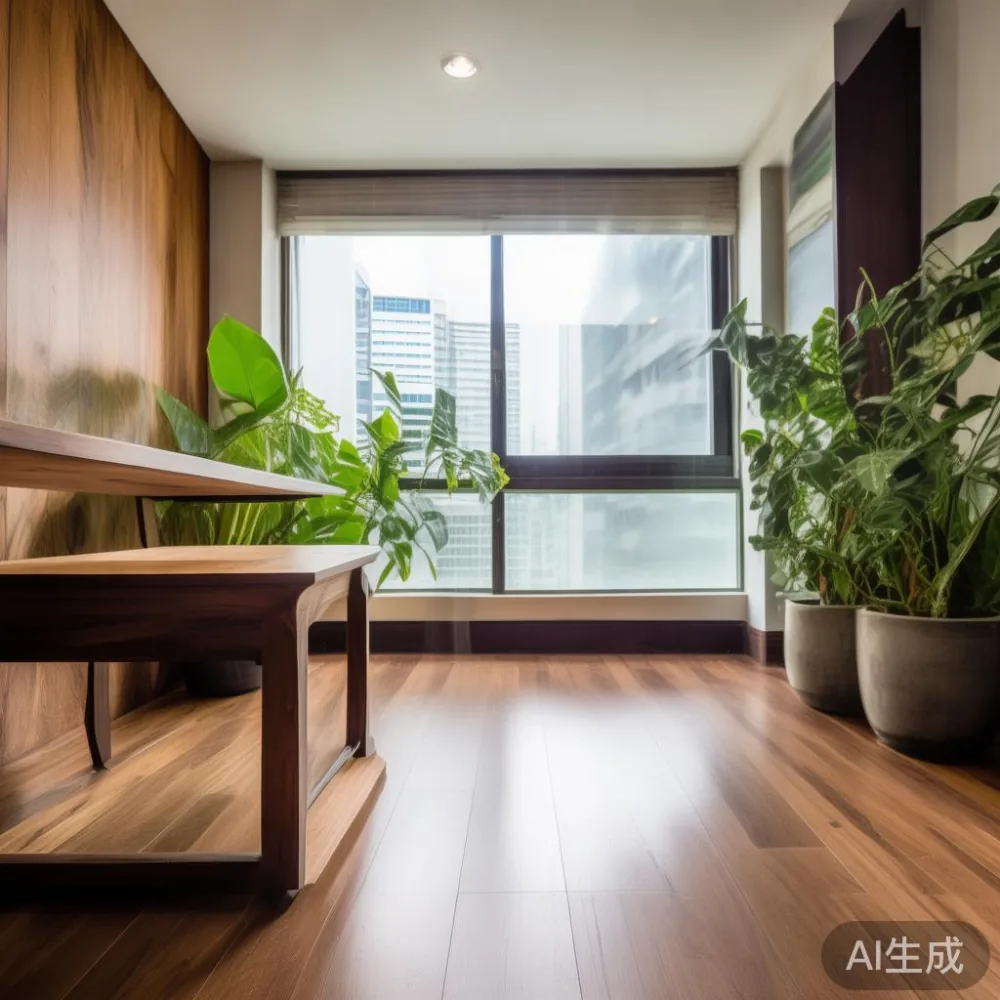
Like most buyers she had two paths in front of her: low-cost veneer furniture at S$1,800–S$2,500 for the full set, or mid-range solid wood pieces at S$4,500–S$6,500. Five years from now, she wanted to know, which one actually costs less when you factor in the lifts, the humid weather, the GST, and the eventual replacement?
I sat down with her last week, pulled five years of receipts from her invoice folder, and matched them against the price sheets at MIDHILL's Foshan factory (where her sister had ordered a marble top dining table for her own HDB in Bukit Panjang). What follows is the real number breakdown — Singapore dollars, real measurements, and the mistakes we both saw other homeowners make along the way.
The Real Upfront Price Difference in Singapore (2024–2025)
A typical mid-range solid wood set in Singapore today, based on showroom pricing at Genting Lane, IMM, and the Jalan Besar furniture row, looks roughly like this:
• 2.4m solid wood sofa frame (rubberwood or ash): S$1,800–S$2,400
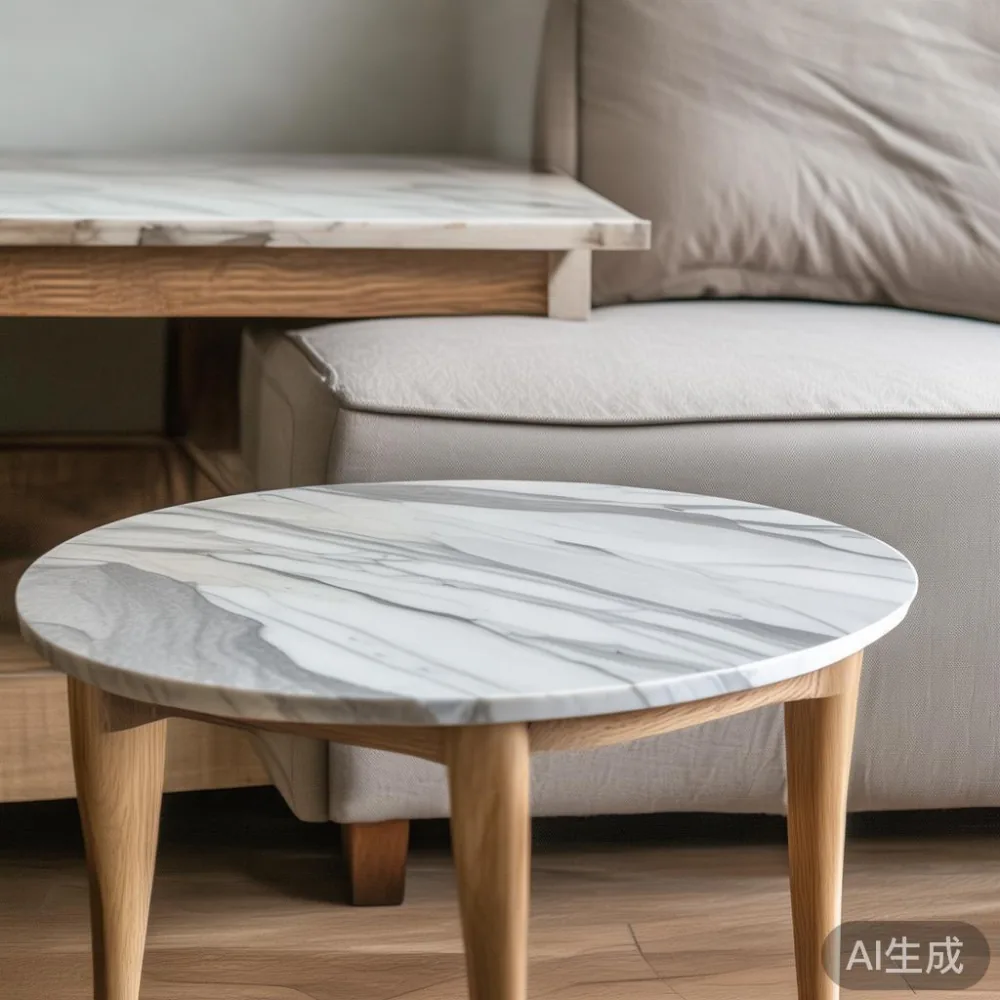
• 1.4m solid wood dining table with sintered stone or marble top: S$1,400–S$2,200
• Queen bed frame (solid rubberwood): S$900–S$1,400
• Two nightstands: S$400–S$600
• 3-door wardrobe (solid wood): S$1,800–S$2,800
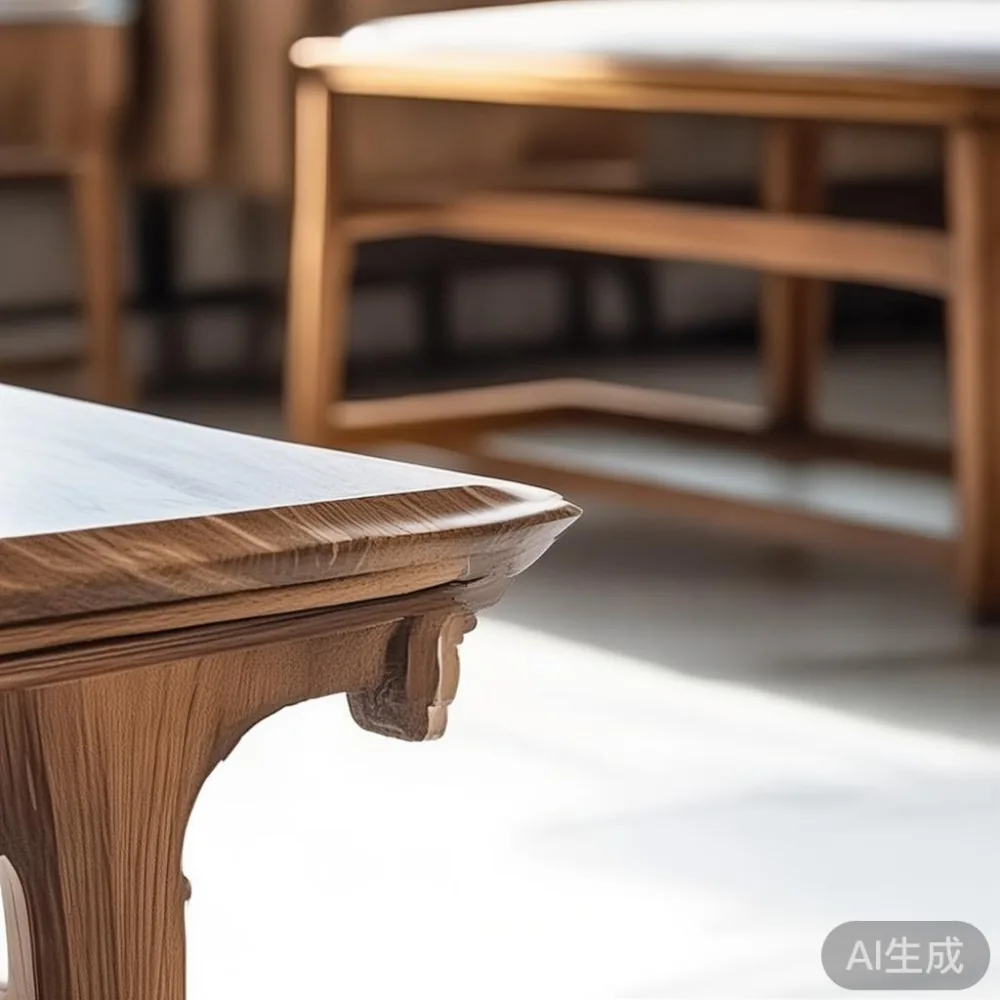
Total landed (after 9% GST and delivery within HDB estate): S$6,800–S$9,500.
The equivalent veneer set — MDF or particleboard core with a 0.6mm–1.2mm wood or paper laminate — runs S$1,800–S$2,800 for the same five pieces. After GST and a typical S$120 lift-access delivery fee (because lifts in most 1990s–2010s HDB blocks measure 1.1m wide × 1.5m deep, and assembled wardrobes must come up in flat-pack form), you land at S$2,100–S$3,200.
The upfront gap is real: S$4,500–S$6,500 in your pocket on day one. No wonder veneer dominates the ID packages from hipster studios in Tiong Bahru.
Year 1–2: The Singapore Climate Test (Heat, Humidity, and Lift Logistics)
Singapore averages 80–90% relative humidity year-round and a constant 24°C–32°C indoors without AC. This is the silent killer of veneer furniture. Last April I visited a friend's resale flat in Bedok Reservoir — a 4-year-old veneer wardrobe from a well-known Swedish brand had swelled along the back panel by 4mm to 7mm, the doors no longer closed flush, and the inner shelves had started to bow under the weight of folded clothes.
Solid wood, by contrast, moves with humidity. Properly kiln-dried rubberwood, ash, or oak will expand and contract seasonally by 1mm–2mm on a 1.5m wardrobe panel — visible only if you run your fingernail along the edge. No swelling. No peeling. No swollen back panel that traps moisture against the HDB wall.
Lift logistics also matter. A flat-pack 3-door veneer wardrobe can weigh 65kg total and fit through a 0.9m-wide lift door when unassembled. A fully assembled solid wood wardrobe of the same dimensions can weigh 110kg–140kg and may not fit if the lift cavity is under 1.6m deep. This is why MIDHILL and other serious solid wood suppliers deliver flat-pack with pre-fitted dowels — you assemble in the bedroom, the corridor, or even the living room if you live on a high floor. The savings on a tight Tampines 4-room lift? Roughly S$80–S$150 versus a failed delivery that has to be rebooked.
Year 2–3: First Repairs, First Replacements
Here is where the spreadsheets start to diverge.
Veneer furniture at this age typically shows: peeling laminate on dining table edges (S$180–S$320 to refinish, often not worth it), chipped corners on the bed frame (S$120–S$220 to patch), and swollen wardrobe shelves that need full replacement (S$400–S$700 for a new inner carcass). Most homeowners simply throw the piece out and buy a replacement set. Total Year 2–3 spend on a veneer set: S$500–S$1,100.
Solid wood at this age: maybe a light scratch on the dining table top, a loose dowel on the bed slats, a sticky drawer runner on the nightstand. Repair cost with a local carpenter at S$35–S$55 per visit: S$120–S$280. Or zero, if you have a supplier like MIDHILL that offers lifetime refinishing on its marble-top dining tables and free tightening on joints for the first five years.
The math: by the end of Year 3, the veneer owner has spent S$2,600–S$4,300 total, and the solid wood owner has spent S$6,920–S$9,780. The gap is still S$4,000–S$5,500 in favor of veneer.
Year 4–5: The Replacement Cliff
This is the year the math flips. Veneer furniture in Singapore, kept in air-conditioned bedrooms but used daily, typically reaches end-of-life between Year 4 and Year 6. The MDF core sags, the laminate lifts, screws strip out of the particleboard, and water rings from cold mugs become permanent scars on the dining table.
The homeowner has two choices: replace the whole set (S$2,100–S$3,200 again, plus 9% GST and disposal of the old set at S$150–S$280 via a junk collector) or live with peeling, swollen furniture that drags down the resale value of the flat.
Solid wood at Year 5, on the other hand, often looks better than Year 1. Sand it, re-oil it (S$45 for a tin of danish oil, 2 hours of work), and the dining table top with its marble top inlay comes back close to factory finish. The solid wood sofa frame is solid — you may need new cushions (S$280–S$450 from a local upholsterer in MacPherson), but the bones are good for another decade.
Add the Year 4–5 veneer replacement (S$2,250–S$3,480 with GST) to the earlier spend, and the 5-year veneer total lands at S$4,850–S$7,780. The 5-year solid wood total — purchase plus minor upkeep — sits at S$7,040–S$10,060.
So Is Solid Wood Actually Cheaper Over 5 Years?
Only if you keep it. The crossover point for a typical HDB solid wood set in Singapore is Year 4.5 to Year 5.5. Before that, veneer wins on paper. After that, solid wood wins, and the gap widens every year because the veneer owner is now on Set #2 or #3.
If you plan to move or flip your flat within three years (common for young couples in Punggol and Sengkang BTOs waiting for their next place), veneer is the rational financial call. If you plan to stay five years or longer, which is the average HDB occupation before resale, solid wood quietly becomes the cheaper option.
There is also a resale value question I should flag: agents in the Tampines and Bedok corridor will tell you that an HDB with built-in solid wood wardrobes and a real marble top dining table can command a S$8,000–S$15,000 price premium over the same flat with ID-package veneer carpentry. That single line item can wipe out the entire cost gap.
How do I style a Modern light luxury master bed in a small apartment?
Pick a low-profile Modern light luxury master bed with a solid wood frame in ash or light walnut, raise it 18cm off the floor on slim metal legs, and keep the headboard under 95cm tall so it does not crowd the wall — in a 12 sqm HDB bedroom this single choice gives you 35cm of breathing room above the bed and makes the room read larger.
The reason this works: a French light luxury palette (warm whites, champagne brass, soft camel linen) sits visually lighter than dark American light luxury walnut tones. Pair the bed with two slim nightstands (each 45cm wide, not the chunky 60cm units) and a single 80cm-wide floating shelf above the headboard instead of a full-length feature wall. That leaves you floor space for a wardrobe depth of 55cm (standard), a 1.5m walkway, and still room for a small reading chair in the corner.
If your bedroom is under 10 sqm — common in 3-room flexi flats in Sengkang — skip the bench at the foot of the bed entirely. The frame itself, on its slim legs, reads as the bench. Add a single 60cm round side table with a sintered stone top in place of a second nightstand, and you keep the post-modern light luxury look without losing circulation space.
What about a Modern light luxury shoe cabinet in the same HDB?
A Modern light luxury shoe cabinet at 80cm wide × 35cm deep × 120cm tall fits between any standard HDB corridor wall and the main door, holds 18–24 pairs depending on heel height, and matches the same ash or light walnut finish as the master bed so the whole entry reads as one piece.
This is the one piece I would not buy in veneer, even on a tight budget. A shoe cabinet sees daily opening and closing, sits near the door where humidity spikes every time it rains, and gets bumped by keys, umbrellas, and the occasional GrabFood rider leaning in. The hinges fail first on veneer — by Year 3, the doors sag and the laminate around the handle starts to peel. Solid wood with soft-close hinges keeps its alignment for 10+ years and only needs a wipe-down with a damp cloth every fortnight.
My Honest Recommendation for Singapore Buyers
If your budget is below S$4,000 for the full bedroom and living room set, buy veneer — but spend the extra on a marble top or sintered stone dining table from a supplier with a real warranty, because the table top is the piece that takes the worst daily abuse. Pair it with a solid wood bed frame if you can afford only one solid piece, because the bed frame is what you see first thing every morning and last thing every night.
If your budget allows S$6,500–S$9,500, go full solid wood from a maker that ships flat-pack from a proper factory (MIDHILL is one such supplier out of Foshan, with free shipping over US$350 to Singapore, 14-day returns, and a 10-year structural warranty that means something in writing). Buy once, oil it every two years, and you will hand the set to your children when they collect keys to their own BTO in 2040.
If your budget is above S$12,000, look at full French light luxury sets with marble-top dining, leather-upholstered sofas on solid ash frames, and a full wardrobe wall in light walnut. That is the tier where Singapore HDB interiors start to look like the show flats at Punggol North — and where the resale premium is real.
The Bottom-Line Math (The Only Number That Matters)
5-year total cost of ownership, Singapore HDB, GST included, lift delivery included, mid-range quality:
• Veneer set: S$4,850–S$7,780 (likely replacement at Year 4)
• Solid wood set: S$7,040–S$10,060 (minor upkeep only)
Gap at Year 5: roughly S$2,000–S$2,300 in favor of solid wood. Gap at Year 8: roughly S$6,500–S$8,000 in favor of solid wood, because the veneer owner is now on Set #2.5.
For my colleague Priya in Punggol, the answer was clear once we put the numbers on paper. She spent S$7,800 on a full solid wood set with a marble-top dining table, two nightstands, a queen bed frame, and a 3-door wardrobe, delivered flat-pack to her 12th-floor unit in 18 days from Foshan, GST paid, lift access arranged for a Sunday morning slot. Three years in, she has spent S$60 on a tin of oil and S$0 on repairs. Her younger sister, who bought the all-vener package from her ID firm, has already replaced the wardrobe.
That is the real five-year cost comparison, in Singapore dollars, on a Singapore HDB floor, with Singapore humidity. No filler, no vague promises — just the receipts and the lift measurements.