How to Protect Lacquered Marble in Singapore’s Tropical Climate
A lacquered marble top can look beautifully restrained in a Singapore home: pale stone, soft reflections, fine timber grain, and enough space for everyday life without visual clutter. That combination suits French light luxury, where materials are appreciated for their character, and American light luxury, where comfort and practical detailing share the same design language. Post-modern light luxury can work too, pairing a traditional solid wood frame with clean lines and a stone surface.
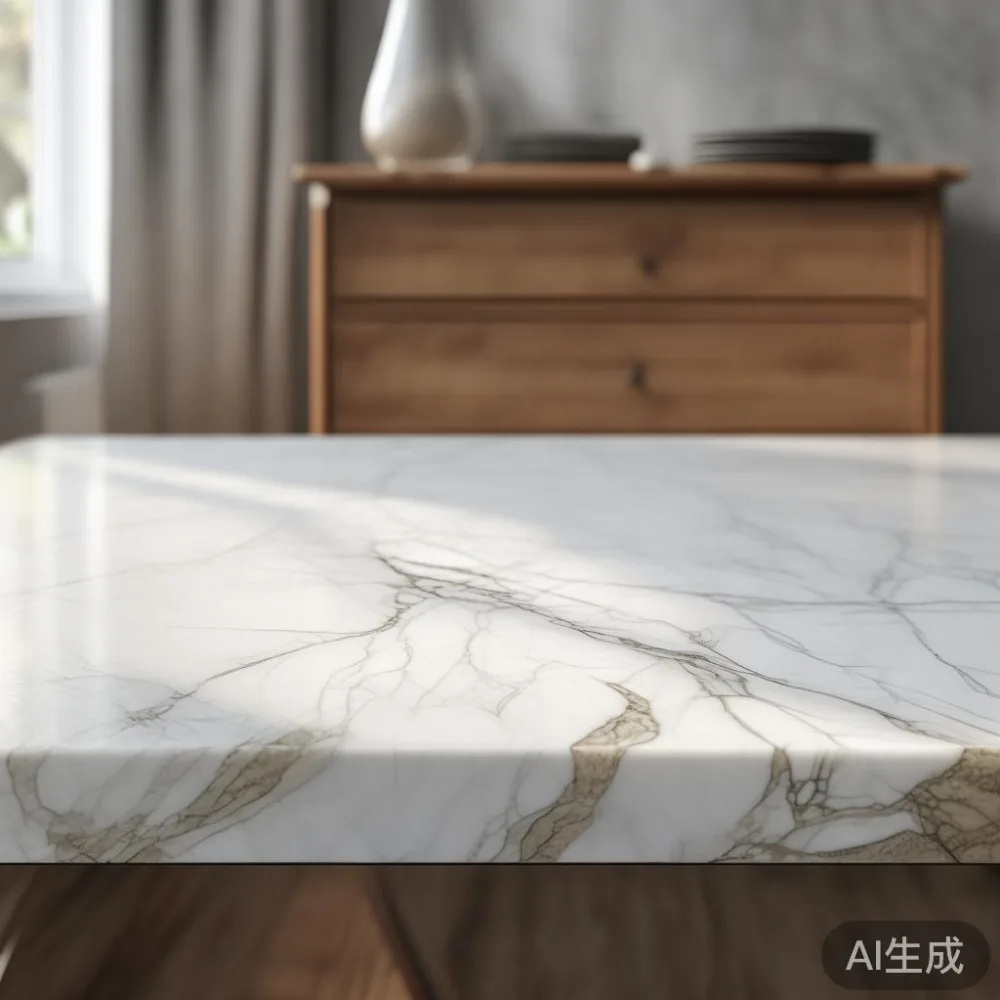
The difficulty is moisture. Humidity, salt air in coastal areas, kitchen vapour, wet drinking glasses, air-conditioning condensation, and frequent hand contact can affect a lacquered finish over time. A well-made surface does not need constant attention, but it does benefit from a controlled routine. The aim is to preserve the sheen, colour clarity, and smoothness of the marble top while keeping the surrounding solid wood furniture stable.
This guide focuses on lacquered marble table surfaces in dining rooms, living rooms, bedrooms, and studies. It is relevant to a marble top on a dining table, a compact marble-top console, or a stone accent on a solid wood sofa or bed frame setting. For furniture selected through MIDHILL, the same care principles apply to dining tables, wardrobes, nightstands, and coordinated solid wood seating.
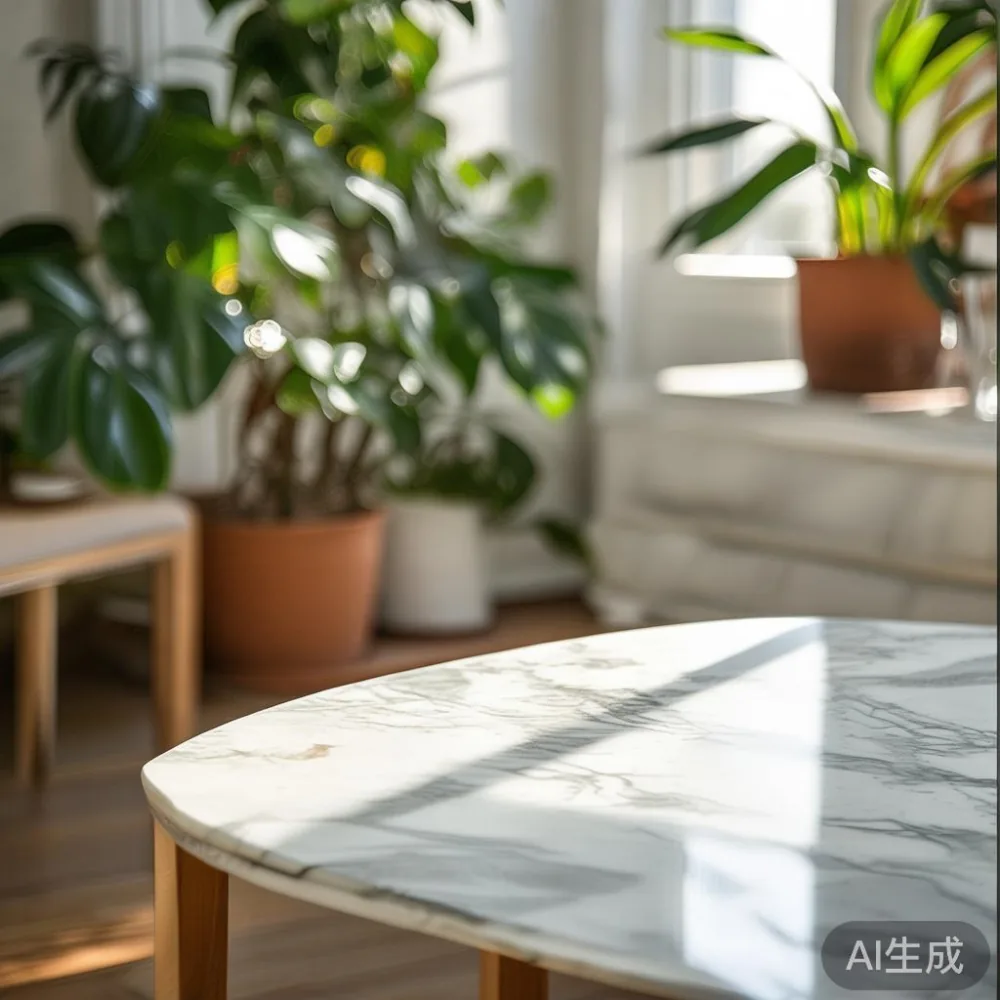
What makes lacquered marble different in Singapore?
Marble is primarily calcium carbonate, so its natural composition matters less than the protection layer placed over it. Lacquer can create a more uniform barrier against stains, splashes, and mild abrasion than an untreated stone finish. It can also make colour and veining appear clearer. However, lacquer is not a permanent shield against heat, alcohol, harsh chemicals, standing water, or impact.
Singapore’s outdoor conditions make indoor care especially important. Relative humidity commonly ranges from about 60% to 85%, and coastal air can carry fine moisture and salt onto exposed surfaces. Inside an HDB flat in Tampines or Bedok, an air-conditioned living room may feel dry while a corridor or balcony remains humid. In a Punggol condo, direct afternoon light through glazing can warm a tabletop even when the air is conditioned.
Temperature changes also affect finishes. A surface may move between roughly 22°C in a conditioned room and 31°C near a sunlit window. Sudden changes can stress coatings, adhesives, and timber. Aim for stable indoor conditions rather than chasing perfect numbers. Keeping the marble top away from direct sunlight, air vents, kitchen steam, and damp cleaning equipment is usually more effective than a complicated maintenance ritual.
One real check helped me understand the issue. Last month I visited a family dining room in Bedok with a dark lacquered marble top beside an open kitchen. The family wiped the surface after meals with a damp cloth, but they also placed a steaming hotpot on a thin metal trivet. After several months, the finish had developed dull patches around the trivet footprint. The stone itself was sound, yet repeated heat exposure had affected the lacquer. Replacing the mat and reducing direct heat restored the care routine without changing the furniture.
Which lacquered marble top suits a Singapore home?
Choose a finish and stone format that match the room’s use, not only its photograph. Pale marble with soft grey veining can make a compact dining table feel more open. A darker stone creates stronger contrast with a natural oak or walnut solid wood frame. French light luxury often favours pale, calm materials; American light luxury tends to favour comfortable scale and visible function; post-modern light luxury can combine one bold stone detail with plain timber surfaces.
Consider the table height and clearance in an HDB dining area. A dining table around 75 cm high works with many standard chairs, but the chair, knee space, and wall clearance matter more than the number alone. Leave about 90 cm between the table edge and a wall or fixed furniture where possible, and allow at least 90 cm for a walkway behind seated diners. In a narrow corridor, measure the door opening, turns, and lift dimensions before delivery.
Lift width can be as little as about 80 cm in an older HDB block, while common passenger lifts in newer condos may provide around 100 cm to 140 cm of internal width. A disassembled dining table with a marble top measuring 120 cm by 70 cm may enter a lift diagonally if the packaging and turning space allow, but a single sealed stone slab may not. Ask for the packaged dimensions and weight in kilograms before ordering.
For smaller homes, the phrase European for small living room appears in product searches because buyers want strong proportions without a bulky footprint. A 100 cm to 140 cm dining table can suit a compact eating zone, while a 90 cm to 120 cm rectangular marble-top console can serve a living room or entry passage. A wardrobe should retain enough opening space for its doors, and a nightstand should leave room for a lamp and charging cable without crowding a bedside wall.
Some buyers also ask top 10 French furniture while comparing decorative pieces, but a French-style silhouette does not guarantee a tropical lacquer system. Ask for the finish type, stone thickness, coating information, care instructions, and expected colour variation. A light-luxury appearance should come with documented care, not vague claims.
How should I clean a lacquered marble top?
Clean the surface regularly with a soft microfibre cloth and plain water or a pH-neutral stone cleaner. The cloth should be clean, damp, not dripping. Wipe spills promptly rather than letting wine, coffee, tea, juice, or oily dressing remain overnight. Use a separate dry cloth to remove moisture and restore an even appearance.
A common mistake is using the same cloth for the kitchen sink and the dining table. Residues from detergent, degreaser, bleach, vinegar, lemon, and ammonia can damage lacquer. Avoid abrasive pads, wire wool, scouring powder, magic erasers, and household sprays with unknown ingredients. Even a diluted acidic cleaner can dull a polished finish after repeated use.
For daily care, a 30 cm by 30 cm microfibre cloth is manageable and easy to store. A soft brush in the seam of a veined marble top can remove loose dust, but it should not be used aggressively because grit may scratch the coating. Keep cleaning away from the surrounding solid wood sofa, bed frame, wardrobe, and nightstand if the damp cloth could wet timber edges.
After meals, clear plates and coasters promptly. Do not use a paper towel with printed ink on the marble top because pigment can transfer. If a stain remains, test a small hidden area first and use a product specifically approved for lacquered stone. Let the surface dry fully before replacing items. A finish that feels tacky after cleaning may indicate residue or excess moisture, not a need to polish harder.
What is the safest way to handle heat, water, and sunlight?
Use coasters and trivets even when the room is air-conditioned. A cup of coffee may be around 60°C, while a hot serving dish can exceed 80°C. Lacquer can soften, discolour, or develop a ring when exposed to concentrated heat. Place a heat-resistant barrier beneath hot pans, teapots, and dishwarmers. A trivet with rubber feet is useful because it reduces sliding as well as heat transfer.
Do not place chilled glass or a freezer-temperature container directly on a warm marble top. Sudden temperature change can create stress marks, particularly around an edge or joint. Let hot or cold items reach room temperature where practical. For serving, a stable tray can protect the finish while keeping the dining table uncluttered.
Water should not be allowed to pool. Wipe around a vase or fruit bowl after filling it, and check the underside of decorative objects for condensation. In a condo near a large window, use curtains or blinds during the strongest sun, roughly between 11 am and 3 pm. A UV-filtering film can help, but it does not replace sensible placement.
For a marble top used in a work area, keep pens, keys, and sharp tools on a tray. Dragging a metal object can produce a scratch that no amount of polishing will remove. Furniture pads under décor also prevent moisture trapped beneath an object. Leave about 5 cm of breathing room around large decorative pieces where possible.
How can I tell whether the lacquer is wearing?
Look for changes in reflection, colour, gloss, or texture. Early dulling may appear as a patchy film, while deeper wear can show uneven sheen, rough areas, lifting, or a faint line around an exposed edge. Compare the surface under daylight and under the same lamp at night. A small test area can reveal whether a mark is surface residue or a coating issue, but avoid testing with chemicals.
Do not apply furniture polish, wax, oil, toothpaste, or metal polish unless the manufacturer confirms suitability. These products may create a temporary shine while altering the original lacquer, making later refinishing uneven. If the finish is damaged, photograph the area in daylight, measure the affected section, and contact the maker for advice. MIDHILL provides a 10-year structural warranty on qualifying furniture and lifetime refinishing support, so retain the order details and finish samples when requesting guidance.
Make a care record for a valuable dining table. Note the purchase date, room conditions, cleaning products used, and any spill events. After 6 months, inspect the surface under 500 lux of neutral light if possible. Record close-up photographs with a ruler beside the area. This practice helps distinguish normal stone variation from a finish problem and gives a supplier useful information.
Can a lacquered marble top last through a long tropical home move?
It can, provided the surface is protected during transport and the furniture is allowed to acclimatise. HDB moves often involve corridor turns, a service lift, and repeated carrying across thresholds. Remove detachable parts, protect the marble top with a rigid cover, and use corner guards around the packaging. Do not place straps directly across the stone unless the maker approves the arrangement.
Measure the lift, landing, stairs, and corridor before delivery. Give the delivery team the door width, lift dimensions, turning radius, and packaged weight. A dining table may require 2 people and a compact trolley; a bed frame may weigh 45 kg to 100 kg depending on its design, while a marble top itself can add substantial weight. Check that the route is clear to at least 90 cm where possible.
After arrival, acclimatise the furniture for 24 to 48 hours before tightening small adjustments. Keep the solid wood dining table or bed frame away from wet walls and newly painted surfaces. If the wardrobe or nightstand is delivered with protective packaging, remove it gradually so that moisture is not trapped. Confirm that every fastener is secure, but avoid overtightening visible hardware.
Buyers comparing styles sometimes ask is European sofa worth it for a small HDB living room, or is French provincial sofa worth it for a compact space. The answer depends on depth, comfort, and the room’s proportions, but the care rule remains simple: keep drinks and damp cloths away from the lacquered marble top nearby. Industrial for guest room is another useful search phrase, especially when a spare room needs a bed frame and a narrow nightstand without heavy decoration.
What should I do if a spill or stain appears?
Act within 15 minutes where possible. Blot, do not rub. For a small water ring, place a clean microfibre cloth over the area and warm it gently with a hairdryer held at least 30 cm away, or allow it to air-dry before wiping. For an oil mark, absorb what is visible with a dry paper towel, then clean the area with a product approved for lacquered marble.
Never use a knife blade, screwdriver, abrasive sponge, or acidic household cleaner. Those actions can turn a minor mark into a larger coating failure. If the surface blisters, peels, or separates from the stone, stop applying products and arrange an inspection. If the furniture is still within its warranty period, provide the date and photographs to the supplier.
For a marble top on a dining table, place a new protective mat rather than covering the whole surface with an old towel whose dye or buttons may transfer. For a marble-top console or desk, keep a tray in one location so spills are contained. A small tray measuring 30 cm by 20 cm can hold keys, glasses, pens, and coasters without taking over the work surface.
Regular care is measured in minutes. A 5-minute wipe after dinner, a 10-minute inspection every 6 months, and a review after major renovation can keep the finish in good condition. Keep humidity-aware habits, avoid standing water and high heat, and follow the maker’s instructions. That level of discipline suits a light-luxury piece intended for daily life rather than display.