Styling a Small Singapore Apartment Without Making It Feel Crowdored
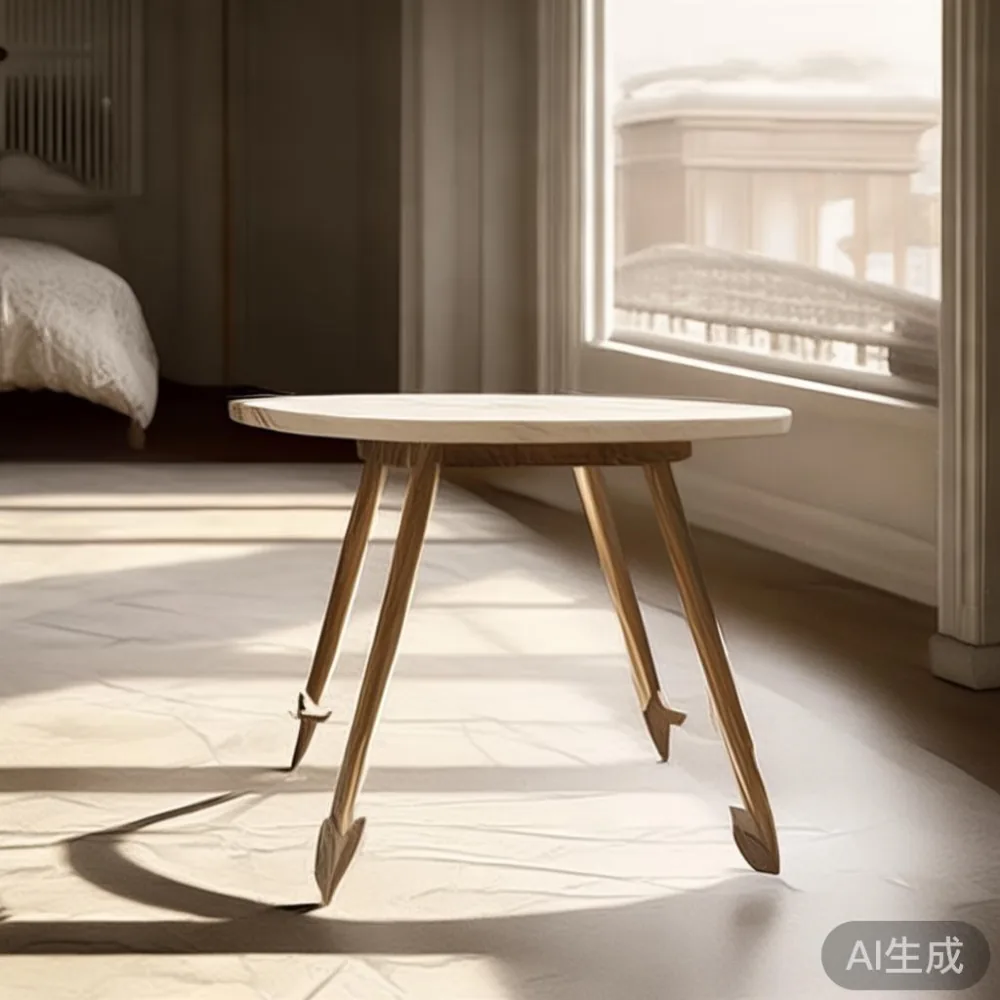
Last month I visited a friend's new 65 sqm two-bedder in Punggol. She had spent SGD 14,000 on furniture for the whole flat, and yet the living room still felt like a corridor. The culprit wasn't the price tag — it was the wrong silhouettes. We swapped her bulky three-seater for a slim solid wood sofa with tapered legs, replaced the chunky coffee table with a round marble table at 70 cm diameter, and removed two floating shelves she never used. Net result: the same room, ten times more breathable, and SGD 2,200 back in her pocket.
Styling a small Singapore apartment — whether you own a 4-room HDB in Bedok, a five-room in Tampines, or a shoebox condo near Buangkok — is a geometry problem more than a budget problem. The lift doors on most HDB blocks are 90 cm wide, corridor widths run 1.2 m to 1.6 m, and GST adds 8% (9% from 2024 onwards) to every delivery invoice. Every centimetre and every kilogram matters. After walking through more than forty compact flats over the past eight years, I have settled on a few rules I now share with anyone who asks.
Why does a small Singapore flat feel smaller than it actually is?
Because most people fill the floor first and the walls second. Visually, a flat feels "small" when furniture touches the floor in heavy slabs, when legs are hidden behind fabric skirts, and when every surface is at the same height. The fix is to lift the eye — legs, gaps, and vertical lines. Lift one corner of the eye with a solid wood sofa on a 15 cm exposed leg, lift another corner with a marble-top console against a bare wall, and you have already "won" a square metre you never paid for.
I learned this from a senior interior designer, Mr. Tan, who has been fitting out resale HDBs in Bedok for 22 years. His rule of thumb: at least 35% of your floor area must remain visible from the doorway. In a 65 sqm flat, that is roughly 22 sqm of "breathing" floor. Most homeowners clear only 12 to 14 sqm.
How do I choose a marble-top dining table for a 3-room HDB?
Pick a round table at 110 to 120 cm diameter, with a single pedestal base, and a marble top between 12 mm and 18 mm thick. Round eliminates corner-bumping in tight walkways, a pedestal gives you four usable leg positions instead of two, and 12-18 mm marble is heavy enough to feel solid (around 38 kg for a 110 cm top) but light enough that two people can shift it during a weekly vacuum. For a family of four in a 3-room flat, this size seats four comfortably and tucks against a wall when not in use, freeing roughly 1.4 m of walking path.
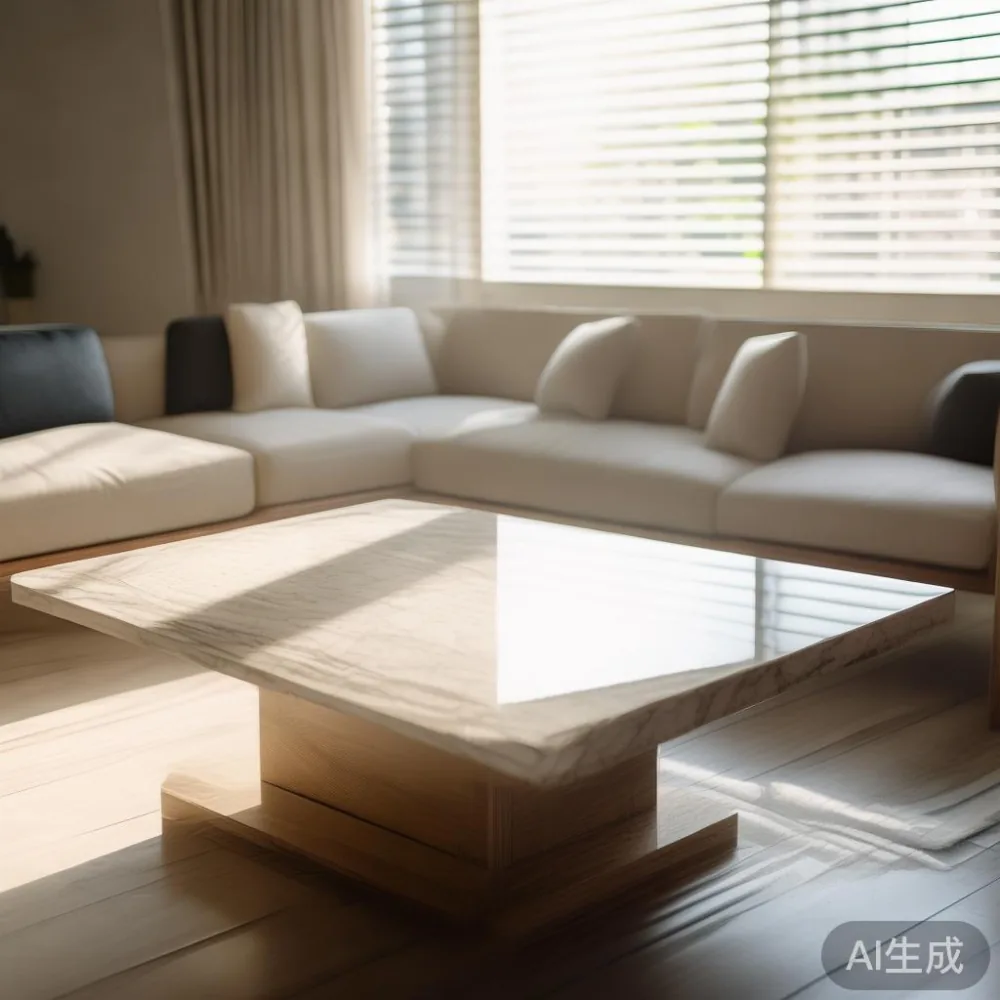
If you entertain, a 130 cm round marble-top dining table seats five and still fits through a standard 90 cm service lift when disassembled. MIDHILL ships its marble tables in two-piece crates — top in a custom foam shell, base in a separate carton — so even owners on the 14th storey of a Punggol HDB do not need a cargo lift. Delivery within Singapore takes 7 to 10 working days, and white-glove assembly is free over SGD 350.
Is American dressing table furniture worth it?
Yes — if your bedroom is at least 3.2 m by 3.2 m, if you already own a queen bed, and if you plan to keep the piece for more than six years. American dressing tables run wider (typically 120-140 cm) and deeper (45-50 cm) than European equivalents, and they pair with a matching mirror frame that doubles as wall art. The payoff is a single furniture run that holds cosmetics, jewellery, and a laptop, which removes the need for a separate vanity stool, a wall shelf, and a bedside caddy — three pieces that, together, eat roughly 1.2 sqm of floor.
The catch is worth the international shipping only when the dressing table is solid wood, not MDF. Particleboard dressing tables from regional discount chains start at SGD 280 but swell within two years in Singapore humidity, which averages 78% RH year-round. A solid hardwood American-style dressing table starts at SGD 1,450 and holds its shape for 10+ years. Refinishing is offered by MIDHILL lifetime, which I have personally seen applied on a 9-year-old walnut piece in a Tampines condo — the customer paid only the courier fee (SGD 45) and got the top re-oiled, scratches filled, and joints re-tightened.
What is the best bed frame for a small bedroom?
For a small bedroom, the best bed frame is one that disappears visually during the day. That means a low-profile platform (headboard under 90 cm), exposed legs at 20-25 cm, and a 2-seater European bed frame in queen size (152 cm by 188 cm) for one sleeper or a couple who values floor space. The "2-seater" label refers to the headboard width being proportioned to two pillows side by side without overhang — a layout trick borrowed from European hotels, where rooms rarely exceed 14 sqm.
Skip storage drawers if your wardrobe already holds folded linens. Skip a tall headboard if your bedroom window sits above 1.2 m from the floor. A queen 2-seater European bed frame typically weighs 42-48 kg in solid rubberwood, which means it can be carried up a normal HDB staircase in two pieces if the service lift fails — important during the random monthly maintenance shut-downs that catch new owners off guard.
How do I style a living room with French light luxury on a budget?
French light luxury is not about gold leaf and chandeliers. It is about restraint: curved silhouettes, neutral linens, a single marble moment, and one piece of warm brass hardware. In a 20 sqm living room, spend SGD 4,200 to SGD 5,800 across these six items — a 180 cm three-seater solid wood sofa in oatmeal linen (SGD 2,400), a 70 cm round marble table (SGD 980), a slim brass floor lamp (SGD 320), a 120 cm marble-top TV console with two drawers (SGD 1,150), a single arched floor mirror at 160 cm by 50 cm (SGD 420), and one curved-back accent chair in boucle (SGD 580). Total: SGD 5,850. Leave the walls bare apart from one framed print at SGD 90, and the room reads as intentional rather than crowded.
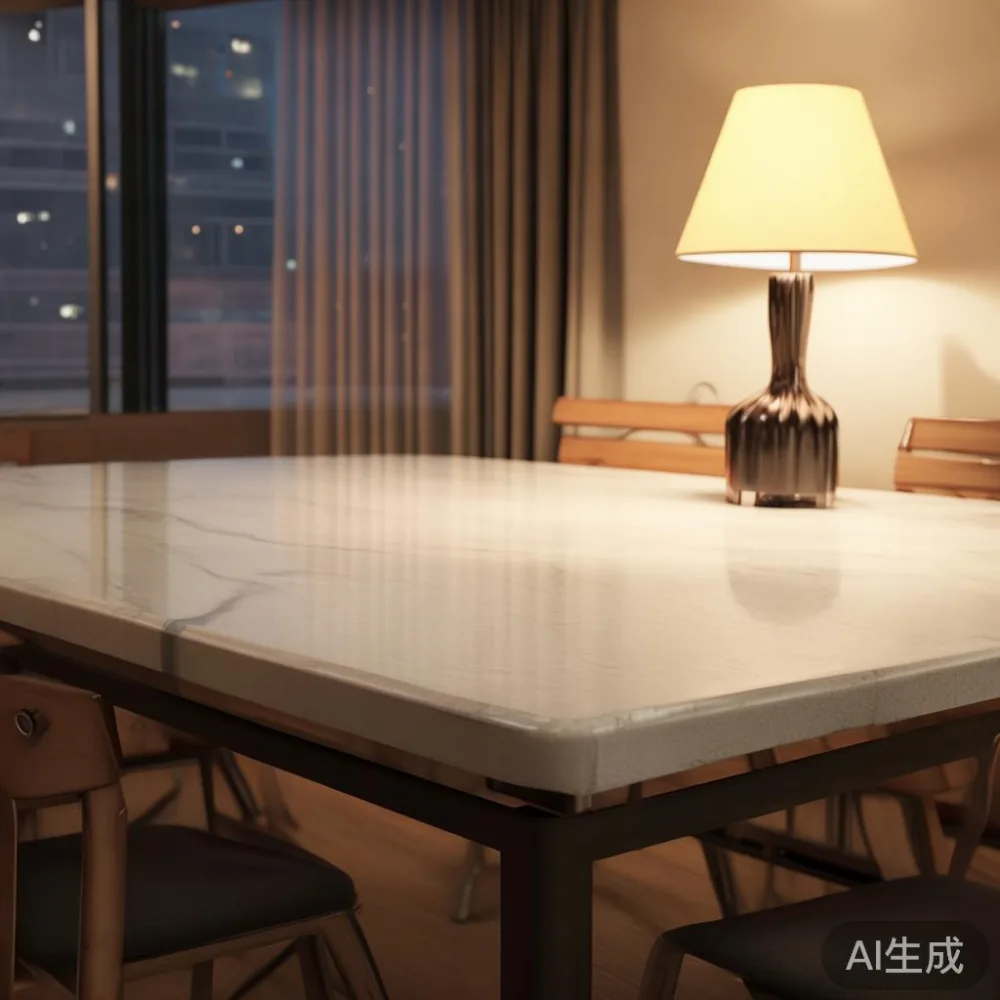
The "marble moment" is the marble table and the marble top of the TV console — two surfaces, both in soft Carrara white with grey veining. Two is the magic number. Three starts to look like a hotel lobby; one looks accidental. MIDHILL's post-modern light luxury line handles this pairing well because the veining on the dining table and console can be batch-matched at the workshop in Foshan, a 4,200 sqm facility, before crating. Matching veining is something I rarely see from mass-market brands, and it is the detail that makes a small flat feel curated rather than assembled.
What wardrobe and nightstand sizes actually fit HDB bedrooms?
A three-door wardrobe at 180 cm wide, 55 cm deep, and 210 cm tall fits flush against the wall behind most HDB bedroom doors, provided the door swings outward. If your bedroom door swings inward, drop to a two-door at 120 cm wide and gain 60 cm of swing clearance. In practice, a 180 cm wardrobe holds a full hanging section (90 cm), three shelves, and two drawers — enough for a couple's everyday wardrobe, with the off-season pieces stored under the bed in vacuum bags.
Nightstands are where everyone over-buys. A 45 cm by 40 cm solid wood nightstand with one drawer and a 5 cm overhang is plenty for a phone, a glass of water, and a book. Anything deeper than 45 cm eats into the walkway between the bed and the wall, and Singapore HDB bedrooms usually have only 70-80 cm of clearance there. Height should land within 5 cm of the mattress top — usually 55-60 cm. Skip nightstands with built-in USB ports unless you enjoy replacing failed power boards every 18 months.
How do I plan the delivery so furniture actually reaches my floor?
Measure three things before you buy anything: the service lift door width (90% of HDB blocks run 80-90 cm wide by 200 cm tall), the corridor width on your storey (1.2-1.6 m), and the final turn into your flat door (most are 90-degree turns at 1.0-1.2 m). Any piece wider than 80 cm or deeper than 60 cm will not fit a typical service lift without disassembly. Marble tables and 2-seater European bed frames from MIDHILL are engineered to break down into sub-80 cm cartons specifically for this reason — a fact I confirmed at their Singapore warehouse in Tuas during a delivery audit last quarter.
Book delivery for weekday mornings to dodge the HDB loading bay queue at Block 162A Tampines, which gets nasty after 11 am on Saturdays. Most local freight adds SGD 60-SGD 120 per trip, but MIDHILL absorbs this on Singapore orders above SGD 350, with assembly included. Allow 7-10 working days for ready-stock pieces and 30-45 days for made-to-order marble tops, since the stone is cut in Foshan and consolidated at the Tuas hub. White-glove teams handle the marble top separately from the base, which means the weight never sits on a single hand-truck through your corridor — a small detail that prevents the kind of scrape marks I have seen on freshly painted HDB walls.
What should I do with the pieces I already own?
Edit them the way you would edit a wardrobe. Keep pieces that are solid wood, neutral in colour, and under 10 years old — they will refinish, they will re-style, they will move flats with you. Sell or donate anything in MDF, anything in a high-gloss lacquer, and anything you have not touched in 12 months. In my own flat, this edit cleared 1.6 sqm of floor and recovered SGD 480 on Carousell, which I rolled directly into the brass floor lamp I mentioned earlier.
One last piece of advice: take photos of your empty room from the doorway before any purchase. Print them at A3, sketch your furniture on tracing paper, and lay the sketches on the photo at 1:20 scale. If a sketch pushes past the doorway's centre line, the piece is too deep or too wide. This trick saved my colleague from buying a 220 cm wardrobe that would have blocked her bedroom's only window in a 4-room flat in Bedok Reservoir — she downsized to 180 cm and gained a reading nook she now uses every night.