Marble Top Care for Lacquered Furniture in Singapore
Singapore’s warmth, humidity and frequent indoor air-conditioning create a demanding environment for furniture finishes. A lacquered surface can remain polished for years when it is protected from standing water, heat and abrasion, yet the same finish may dull sooner if coasters, ventilation and gentle cleaning are neglected. This guide explains how to care for lacquered marble top furniture in HDB flats and condos across Tampines, Bedok and Punggol, with practical measurements, routines and product checks.
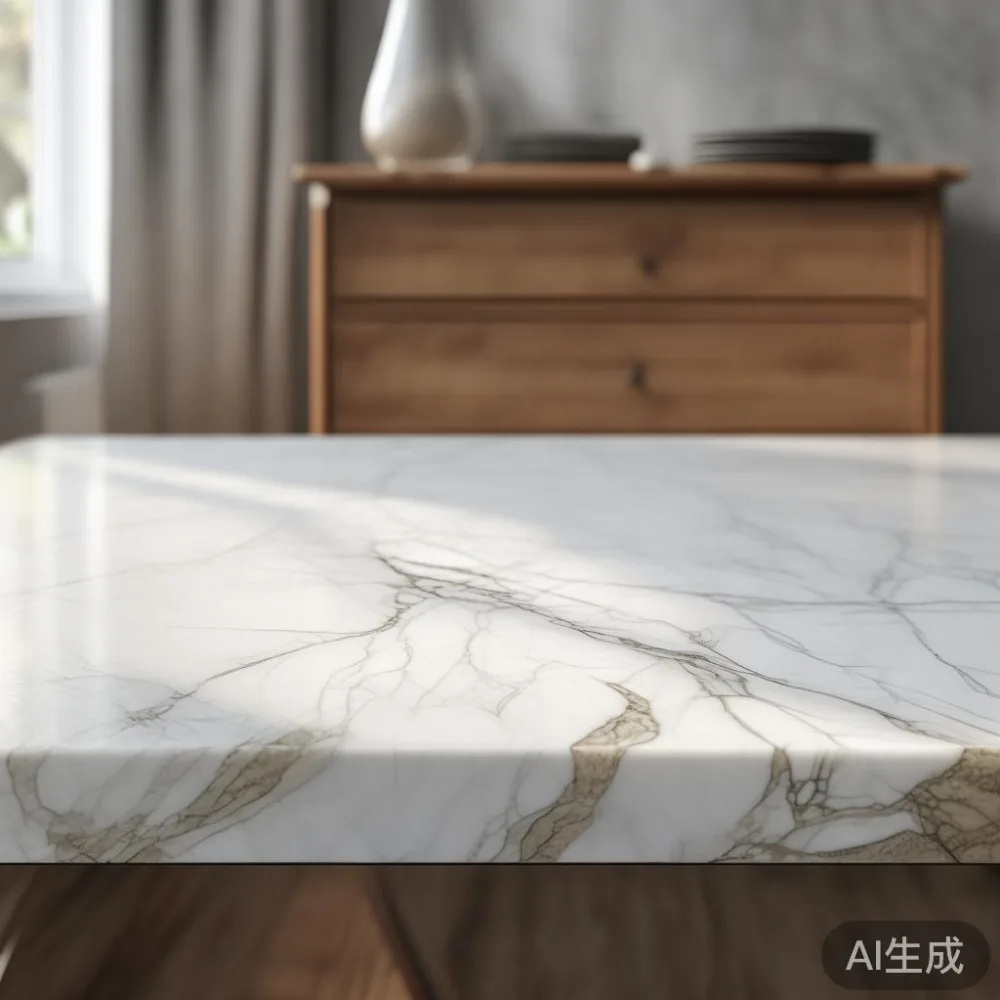
At MIDHILL, our approach to caring for furniture begins with sensible use rather than constant intervention. A clear coat should protect the colour and sheen without turning ordinary maintenance into a specialist treatment. The same discipline applies to a solid wood sofa, bed frame, dining table, wardrobe or nightstand: control moisture, distribute wear and inspect details early.
Why does Singapore humidity affect a lacquered marble top?
A lacquered marble top has two distinct layers. Natural stone provides the pattern, while lacquer forms a coloured, clear or tactile surface that resists some marks. Humidity does not automatically ruin this combination, but repeated dampness can enter joints, collect beneath coasters or encourage finish defects around an exposed edge.
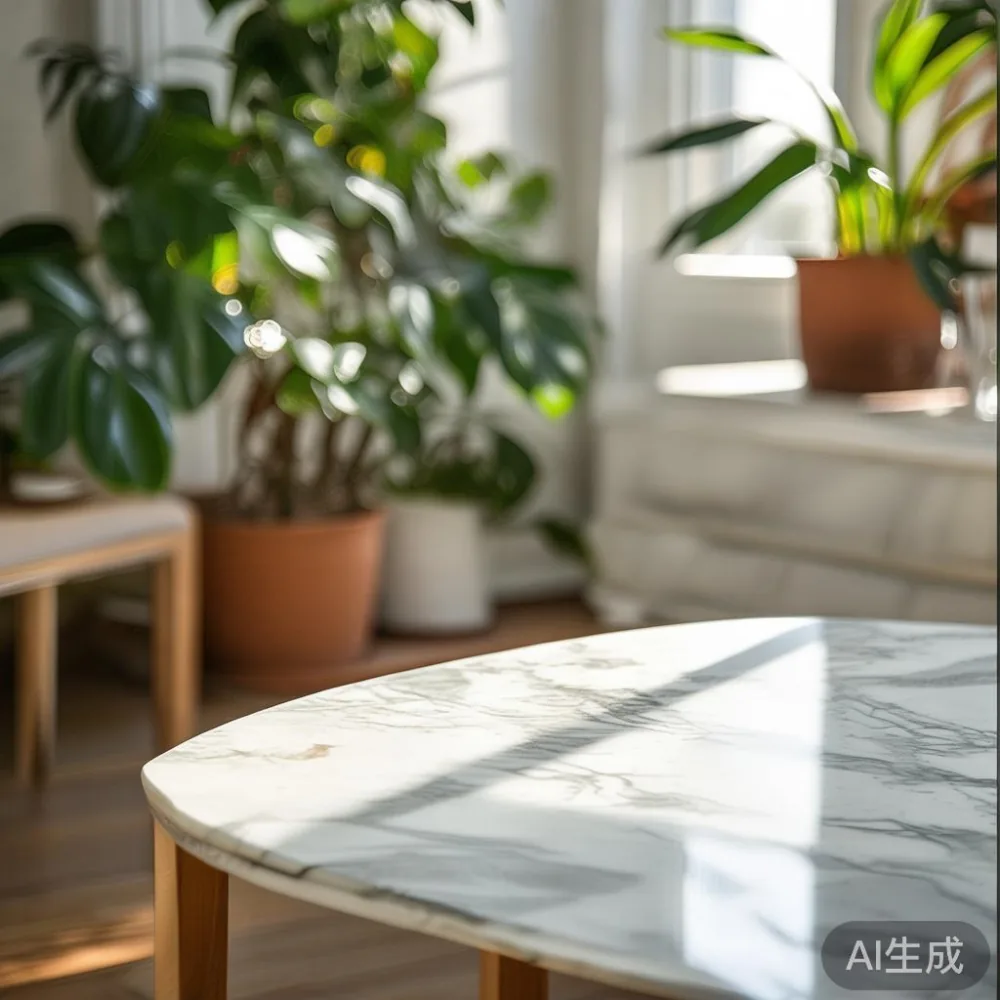
Singapore’s relative humidity often rises above 80% during monsoon periods, while air-conditioned rooms may fall below 50%. Those swings are more significant than ordinary changes in room temperature. Keep the marble top away from an air-conditioner vent if possible: allow at least 60 cm of clearance, and never place furniture where warm air strikes the surface continuously.
For a dining table, maintain indoor humidity near 50% to 65% where the building’s systems make that practical. A hygrometer placed 1 m above the floor can confirm conditions. If readings remain above 70% for several hours, improve ventilation or run air-conditioning briefly rather than leaving food, papers or damp cloths on the marble top.
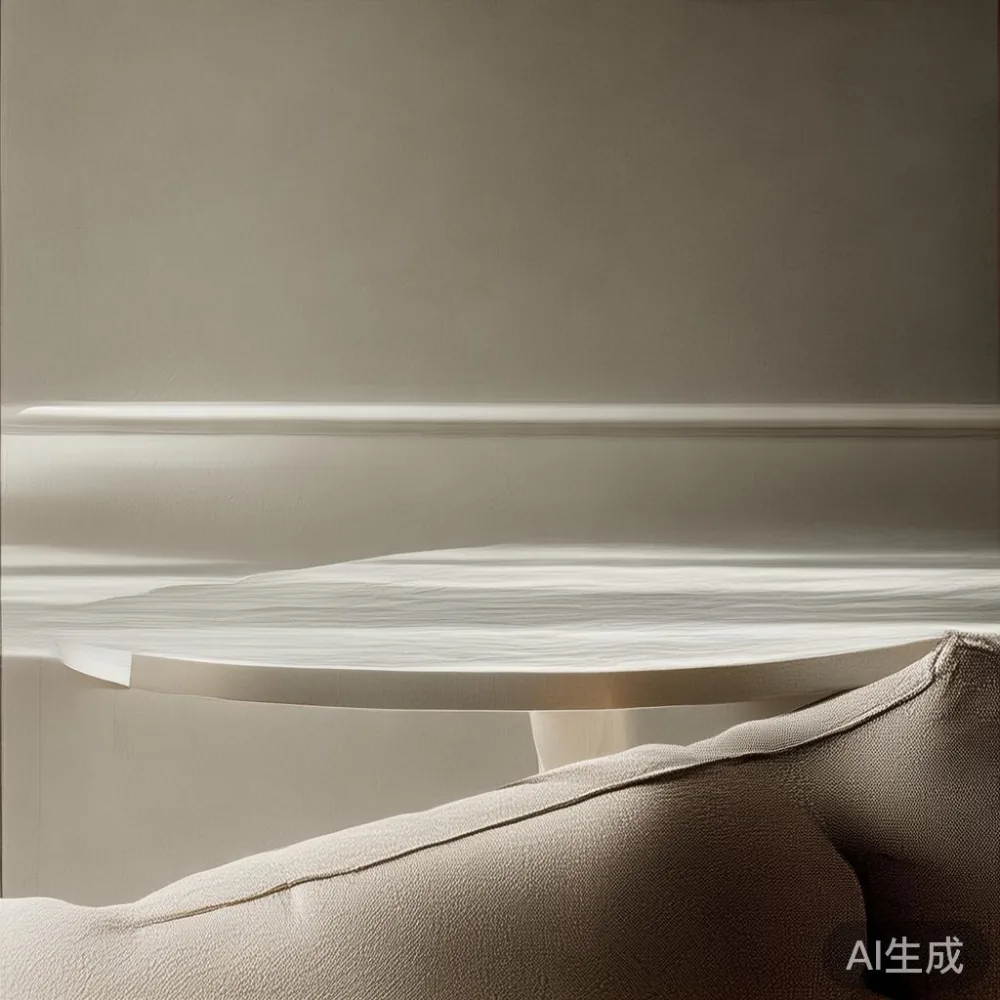
Wipe spills promptly, but do not soak the edge. Use 2 or 3 sprays of pH-neutral cleaner onto a microfibre cloth, dampen it only until it feels like a wrung-out cloth, and wipe the surface. A soaked cloth can force water beneath lacquer or into a seam even when the visible top appears dry.
What is the correct daily cleaning routine for a marble top?
Start with the least aggressive method. Dust with a clean microfibre cloth after cooking or after guests leave. For marks, apply 1 small pump of mild, pH-neutral soap to a cloth rather than pouring detergent directly onto the furniture. Use circular motions at light pressure, then remove residue with a second barely damp cloth.
Do not use vinegar, lemon juice, bleach, ammonia, abrasive pads, scouring powder or household sprays intended for glass and windows. Some appear useful because they cut grease, yet their acids or residues can cloud lacquer. Avoid alcohol-based cleaners as a routine choice, particularly around printed labels, vinyl-like details or repair materials.
Let the top air-dry for 15 to 20 minutes. A soft towel can catch droplets around a coaster, but vigorous buffing may create fine scratches. A clean cotton cloth can provide a final light pass only when the surface is fully dry.
In a condo kitchen, protect the surface from acidic food. Set a trivet under a hot pan and use individual mats beneath tomato sauce, citrus, wine and soy-based liquids. Wipe these within 5 minutes rather than leaving them overnight. For a marble table used for coffee, clear cups and jars before moving them so grit does not travel across the finish.
Coasters matter. Closed-cell silicone or neoprene pads reduce moisture and heat transfer, while cork may absorb spills. Replace a soaked or compressed pad instead of stacking a new one on top of it. Felt alone is suitable for light objects, but a ceramic vase weighing 12 kg still needs a rigid, non-absorbent support.
Can heat, sunlight and lift corridors damage the finish?
Heat can soften lacquer or create a sticky response long before stone itself changes. Keep table lamps and appliances at least 20 cm from the surface, and use a heat-rated barrier beneath hot metal. If a bowl reaches 70°C, allow it to cool before placing it on lacquer; the plate may be safe for stone yet unsuitable as direct support for a coated top.
Window light can fade both lacquer colour and natural stone pattern. In an east-facing Tampines flat, sheer curtains can lower direct exposure during the first 3 hours after sunrise. In a west-facing Bedok unit, close blinds before afternoon sun reaches the wall. Check weekly for pale patches, as fading does not reverse through polishing.
Delivery and moving damage deserve a separate plan. A 210 cm dining table may need careful tilting through a 90 cm condo door, but forcing its marble top against a frame can chip an edge. Measure the narrowest route before booking a mover: record the door width, lift opening, corridor turns and stair landing. Add 5 cm of working room where the building requires it.
Protect corners with 2 cm padding, secure doors and lift panels, and never attach tape directly to lacquer. Suitable painter’s masking material can lift residue or dull the sheen when peeled. Lift capacity is another limit: a solid wood dining table weighing 65 kg may exceed the rated load of a small utility cart even when 2 adults can lift it safely.
For self-delivery within Singapore, allow 3 to 7 working days after confirmation, depending on stock and access. Confirm GST with the supplier before payment. More than US$350 in qualifying orders qualifies for free shipping under MIDHILL’s published delivery terms, though local access charges or remote-area arrangements should still be checked.
How should scratches, stains and dull patches be treated?
First identify whether the mark sits on the lacquer or in the stone. A fingernail test is imperfect, yet a shallow surface mark usually feels smoother than a chip or crack. Hold the piece under daylight and compare both sides. Photograph the affected area from 30 cm away, then from 10 cm, so a repair provider can estimate the repair rather than replace a large component unnecessarily.
For a fresh fingerprint or dust mark, the usual routine—microfibre cloth, mild cleaner and 15-minute drying period—is enough. For a fine surface scratch, ask the finish specialist whether a colour-matched touch-up is possible. Match tests should occur on an underside area spanning about 2 cm, away from polished stone. Deep gouges that catch a fingernail should not be filled with generic furniture polish.
A white mark may be moisture under a removable coaster rather than damage to the marble top. Lift the coaster and dry both surfaces for 2 hours. A persistent mark may require lacquer work. Avoid metal scrapers, razor blades and abrasive cream, because each can cut through the coat and expose vulnerable stone.
Small chips near a corner may be blended by a specialist, while a crack crossing 10 cm or reaching an edge deserves individual inspection. Do not assume that a 10-year structural warranty covers every finish or accidental mark. Read the written scope, report the issue within the stated period and keep purchase documents, care instructions and delivery records together.
How often should a lacquered surface be inspected?
Inspect visible surfaces every month and perform a closer check twice a year. On a dining table, look beneath saucers, serving boards and charging cables. On a nightstand, clear the lamp base and check the rear edge near the wall. For a bed frame, inspect lacquered rails at roughly 6-month intervals, especially in rooms where air-conditioning runs overnight.
Check lacquer around moving parts every 3 months. A wardrobe door that rubs should be adjusted before repeated contact wears a track-edge finish. Confirm that hinges remain secure and that a door closes with a 2 to 3 mm clearance. A nightstand drawer should slide without forcing, while a solid wood sofa frame needs loose joints checked before they move or creak.
Plan polishing according to condition, not a fixed advertising interval. Excessive polishing can remove healthy finish. If the surface feels smooth, feels slightly tacky after wiping and shows no mark, leave it alone. If it feels dry, catches a cloth or loses clarity around a coaster, arrange a proper lacquer assessment.
Those buying a bedroom suite should research how to choose Japandi wardrobe proportions, but finish protection remains practical: look for closed edges, sound drawer runners and a clear care guide. Likewise, is European bed worth it depends partly on frame construction, fit and finish quality rather than style alone. A European-style bed frame with a lacquered headboard still benefits from dry indoor air and stable humidity.
What should buyers check before ordering lacquered furniture?
Ask whether the lacquer is factory-applied, what repair service is available and whether replacement components can be matched by batch or finish code. Review samples under the lighting conditions of the intended room. A light-luxury dining table may look balanced against cool condo LEDs yet warmer under 2700K bulbs, so inspect samples for at least 10 minutes before approval.
For customer research, how to choose European sofa should include seat density, frame joints, dimensions and return conditions, not merely appearance. A European-inspired solid wood sofa may suit an HDB living room, but its route through a 900 mm lift door still needs measurement. For larger pieces, reserve the lift with the building management and measure the turning radius of the corridor.
Wardrobe planning deserves the same care. Those considering how to choose European wardrobe should compare the 240 cm opening allowance, internal rail depth and coating system. If searching for how to style Japandi wardrobe in room layouts, allow about 8 cm between an open wardrobe and a wall where circulation permits, because a rear gap can help inspection and cleaning.
French light luxury, American light luxury and post-modern light luxury each place different emphasis on proportion, comfort and crafted detail. None removes the need for maintenance. A French-inspired marble table, an American-style bed frame or a post-modern nightstand should be selected for useable dimensions and sound construction before decorative character.
MIDHILL pieces include a 10-year structural warranty, lifetime refinishing and a 14-day return framework, subject to stated conditions. Confirm the finish coverage, delivery date and local return arrangements before purchase. An order over US$350 normally receives free shipping, while Singapore prices should be shown in SGD with GST treatment stated clearly.
What is the simple care habit that protects the surface longest?
Use coasters, remove standing liquids quickly and wipe with a barely damp cloth. Keep lacquer away from sustained heat and direct sun, check moving parts, and avoid acidic or abrasive cleaners. These habits can be completed in about 5 minutes a day and a 15-minute inspection each month.
Last month I visited a family dining area in Punggol where a pale lacquered marble top had developed ring marks after cups were moved over bare stone. I tested the maker’s care directions on one hidden 5 cm section: a pH-neutral cleaner, microfibre cloth and controlled drying restored clarity without wet rubbing. That confirmed a useful routine before any polish or solvent touched the visible top.
The practical result is a finish that remains calm rather than artificially shiny. Whether the piece is a dining table, wardrobe, bed frame, nightstand or marble table, stable humidity and careful handling offer the most dependable care. If a mark remains, stop experimenting and seek a finish-specific assessment before repair compounds the issue.