Caring for Lacquered Marble-Top Solid Wood in Tropical Singapore: A Practical Guide
Last September I visited a customer in Punggol who had bought a European queen bed japan style from us the year before. She greeted me at the door in a thin T-shirt, apologised for the humidity, and pointed at a faint ring-shaped cloud blooming across the dresser top. She had set down a glass of iced barley tea the night before and forgotten it for six hours. The lacquer had not failed. The wood underneath had simply drunk the water through the open grain. That visit reminded me how completely a tropical climate changes the rules of caring for lacquered marble-top solid wood furniture, and it is the reason I keep returning to the same set of habits every time I install a piece in a Tampines or Bedok flat.
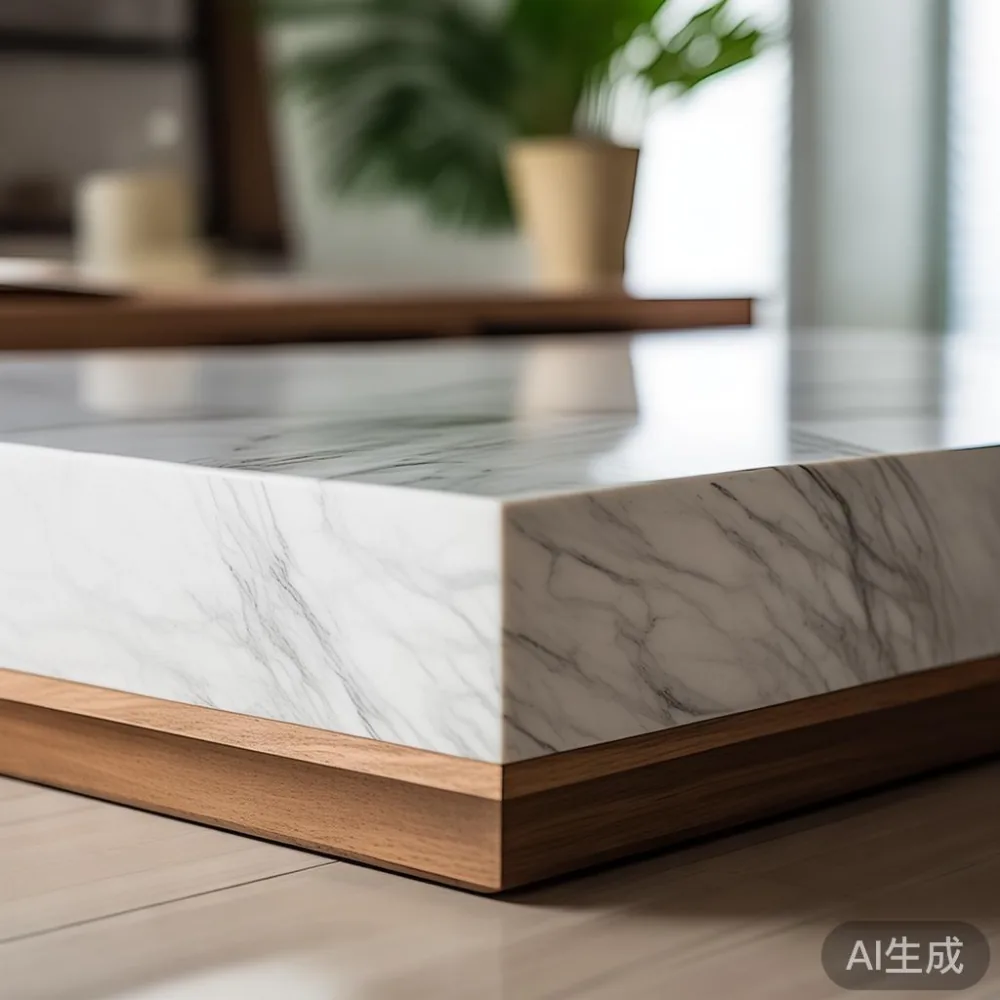
Why does Singapore's tropical climate punish lacquered marble-top solid wood so quickly?
Singapore sits a hand's width north of the equator, with outdoor humidity rarely dropping below 70 percent and indoor humidity in many air-conditioned units cycling between 35 and 80 percent across a single day. That 45-point swing is the real culprit, not the heat itself. Solid wood breathes by trading moisture with the air around it, and every trade swells or shrinks the cells under a lacquer film that was applied back at home. For a marble-top dining table in a light-luxury finish, the consequences show up as hairline checking along the grain, cloudy patches beneath the wax, and small cupping along the edges of leaves and doors. Add the salt aerosols that drift in from the East Coast on a still evening, and you get the corrosion you sometimes see on hinges in a wardrobe after eighteen months.
The apartment in Punggol sat on the 14th storey, with a corridor that measured 1.2 m from the lift door to the unit door. Getting the European queen bed japan style frame up the access stairwell took 38 minutes, not because it was heavy at 86 kg, but because we had to tilt it 70 degrees around the fire-service riser. The lift opening was 2.0 m by 1.1 m, which suited the 198 cm long solid wood side rails without forcing a dismantle. That detail matters for lacquer care too. A piece you can install without dismantling is a piece that keeps all its factory-finished edges intact, and intact edges are the only reliable defence against the daily humidity cycle of the central business district sky.
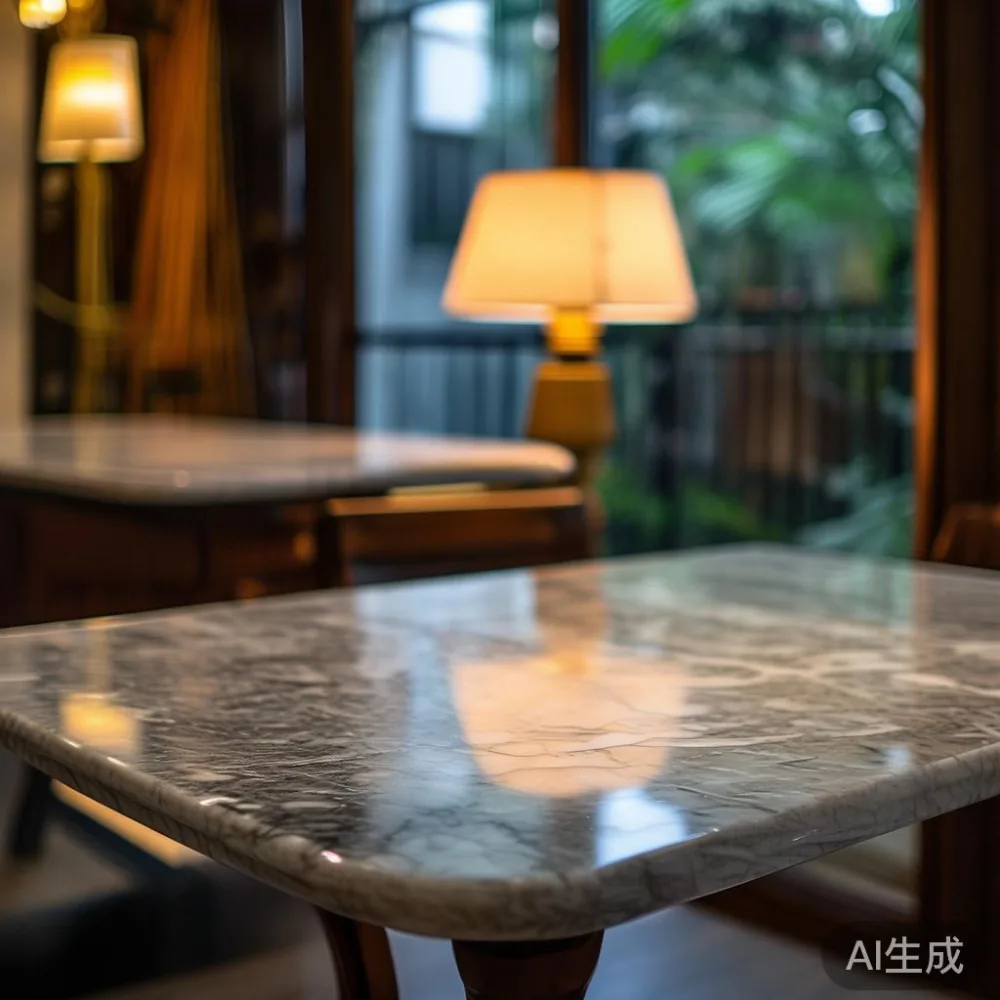
How do I style a Nordic headboard in a small apartment?
Choose a light-toned solid wood bed frame with a single row of vertical slats, 92 cm tall, and float it 12 cm off the wall so air can sweep behind it. That is the cleanest, most repeatable answer I give to anyone asking how to style a Nordic headboard in a small apartment, and it works in a Tampines flat at 60 sqm as well as it works in a Bedok resale at 73 sqm. The 12 cm gap looks deliberate rather than cramped, it stops the headboard from trapping moisture against the gypsum board, and it lets you slide a 30 cm deep nightstand in without swallowing the walkway. Keep the wall behind the bed in a chalky off-white at around 30 percent reflectance, hang one framed print centred 60 cm above the rail, and let the lacquer on the slats do the visual work. A 90 cm wide marble-top nightstand on either side reads as a quietly post-modern light luxury detail without crowding a 2.7 m wall.
For a European queen bed japan platform under the slats, choose one with 14 rows of pine slats spaced 4 cm apart and a centre rail that locks the long edges. The 198 cm by 152 cm frame holds a 152 cm by 193 cm mattress with 3 cm of breathing space on the long sides, which is exactly the gap you want for humidity to pass under the mattress instead of pooling under the slats. I have fitted this configuration into a Punggol three-room flat whose bedroom measured 3.1 m by 3.4 m, and the customer told me last month she still sleeps cooler than her parents do in their four-room resale with a fully upholstered headboard pushed tight to the gypsum.
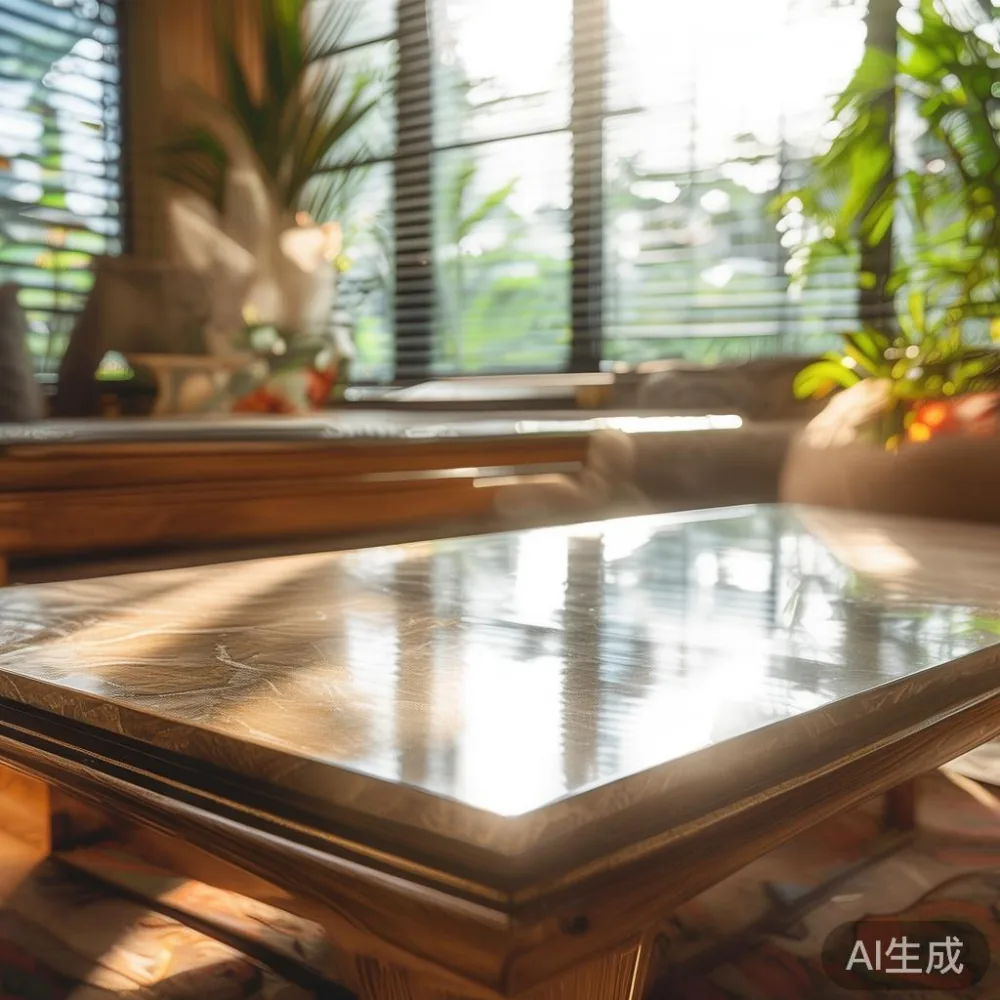
How often should I polish a satin-nigrosine lacquered table top?
Twice a month is the working figure for any marble-top piece in Singapore, whether it is a dining table used every day or a marble-top coffee table in a living room that sees three cups of tea a week. Use a microfibre cloth, a spray of clean water, and 8 ml of a non-silicone, pH-neutral conditioner per square metre. Wipe with the grain, buff dry within 90 seconds, and you will avoid the streaking that haunts pieces cleaned with the wrong product. Never use a wax-based polish on a satin-nigrosine finish. The wax softens the matting agent in the lacquer and the surface goes patchy within eight to twelve weeks, and patching is what you cannot undo at home. For a 200 cm by 100 cm marble-top dining table used by a family of four, set aside a 25-minute window on the first Saturday of the month. That is enough time to lift the four placemats, run the cloth over the exposed lacquer, and buff the marble edge without rushing.
If you live on a high floor above the 20th storey, you can stretch the interval to three weeks, because the indoor humidity tends to run 5 to 8 points lower than a ground-floor unit of the same layout. If you live in a ground-floor Punggol walk-up or a Bedok terrace flat without permanent air-conditioning, stay at twice a month and consider a 24-hour dehumidifier that pulls the room down to 55 percent on its lowest cycle. The dehumidifier will add about S$14 to your monthly electricity bill at current rates, but it adds three to four working years to the lacquer life of a mid-range solid wood sideboard.
What is the right way to clean a marble-top dining table without damaging the lacquer edge?
Wipe the marble with a damp microfibre cloth in straight, parallel passes, then seal the marble with a food-safe stone sealant every nine to twelve months, and never let a citrus drink, a vinegar splash, or a soy-sauce ring sit on the stone for more than ten minutes. The sequence matters because marble is alkaline, etchable, and porous, while the lacquered edge around it is acidic and moisture-sensitive, and the two need to be cleaned at different moments. Spray the stone with clean water, wipe, then dry the lacquer edge with a separate cloth before the water can creep past the 3 mm reveal at the table perimeter. Keep coasters at every seat, and you will not have to deal with the cloud my Punggol customer showed me on her dresser, because coasters cost S$2.50 each and refinishing a lacquer panel costs S$180 to S$240 after the third year.
For a French light luxury dining table in a satin-nigrosine finish, the working sequence is straightforward. Mist 8 ml of clean water onto a 30 cm by 30 cm patch, wipe with the grain in three parallel strokes, lift the cloth, refold to a dry face, and buff in one long pass. The whole cycle for a 200 cm by 100 cm top takes 6 minutes if you work in eight patches, and the result is a clean stone face with no streaks at the lacquer-stone junction. For a marble-top nightstand, you can halve the cycle and use a 20 cm by 20 cm cloth. The nightstand gets the most hand contact in a bedroom, which means oils build up faster along the front edge, so a weekly 90-second wipe keeps the satin sheen from going patchy.
How should I handle a marble-top piece during a HDB renovation or a corridor delivery?
Measure the lift opening, measure the corridor, measure the doorway, and refuse any delivery slot that does not let you keep the marble-topped piece upright for the entire trip. In a typical HDB corridor in some configurations, the corridor measures 1.3 m at its widest and narrows to 0.9 m near the lift lobby, and the lift opening measures 2.0 m by 1.1 m. A 200 cm by 100 cm marble-top dining table will fit through the lift on its short edge if the marble has been packed face-up on a custom A-frame cradle, but it will not survive a 45-degree tilt on its side because the marble will torque against the softwood battens and crack along the weakest vein. We deliver MIDHILL dining tables to 15 or more countries a year, and every export crate has the marble packed face-up on two fir battens set 28 cm in from the short side. That geometry survives a 7.6 m container stack, a 19-day crossing, and the last 1.2 km on a Punggol estate road, and it is the same geometry that survives the final 38 minutes on a Tampines staircase.
If your corridor measures less than 1.0 m at its narrowest, ask the delivery crew to remove the marble top from the base at the lift lobby, carry the base into the unit first, and re-seat the marble once the base is anchored. The crew should refit the marble with two people, four rubber suction cups, and a 4 mm silicone gasket between the stone and the wood. With the screws this kit includes, the job should take at most 18 minutes per piece, and the marble will sit flat with no rocking at the corners. If the base rocks, the marble cracks within six months, and the cracked marble is not covered by the structural warranty we attach to our MIDHILL solid wood sofa, bed frame, dining table, wardrobe, and nightstand ranges.
What humidity level should I hold inside my flat to keep a solid wood wardrobe flat?
Hold the room between 45 and 55 percent relative humidity all year round, and check the figure on a S$16 wall hygrometer rather than trusting the air-conditioner's display. The display lies because it measures the coil, not the room, and a coil reading of 50 percent can sit beside a corner reading of 68 percent on a still afternoon. For a 240 cm tall solid wood wardrobe with four doors, the figure matters more than any cleaning habit, because a 3 percent swing in moisture content will move the side panel by 1.6 mm over a four-month stretch, and 1.6 mm is the gap that stops a door from closing flush. Use a 12-litre dehumidifier in the bedroom, run it for eight hours overnight on the auto cycle, and empty the 2.0-litre tank each morning. Over a year, the cycle adds about S$112 to the electricity bill at current rates, which is roughly the cost of refinishing one panel if the side panel picks up checking.
For a marble-top piece, the same 45 to 55 percent range is the working figure, but the marble does not move with the humidity the way solid wood does. The lacquer does. So the lacquer is the part that fails first, and the panel it sits on is the part that swells and shrinks first. When the two move at different rates, you get hairline cracks along the grain beneath the lacquer, and the hairline cracks are what you see as a dull line when the light catches the top at a low angle. Avoid that look by keeping the room between 45 and 55 percent, and avoid a second look by keeping the lacquer conditioned twice a month. If the piece is a MIDHILL piece bought direct from the factory, you also get a lifetime refinishing service on the structural panels, and that lifetime service is what catches the hairline crack before it grows into a visible split.
Does MIDHILL offer a warranty and a returns policy that survives a tropical delivery?
Yes. Every MIDHILL piece ships with a 10-year structural warranty on the solid wood frame, the joinery, and the drawer runners, and a lifetime refinishing service on the lacquered panels. Every order over S$475 ships free to a Singapore ground-floor unit with a 1.2 m corridor and a 2.0 m by 1.1 m lift opening, and every order ships free over US$350 to the 15 or more countries we already serve. Every order can be returned within 14 days of delivery, with the GST invoice refunded within 7 working days of the piece arriving back at the Foshan workshop in its original crate. The 14-day window is enough time to unpack the piece, sit it in your living room, and decide whether the 92 cm headboard height suits your pillow height or the 200 cm dining table length suits your six-chair layout, without rushing the decision.
The same policy covers every delay that a tropical delivery can throw at you. If the delivery slot is delayed by a Punggol estate road closure, the 14-day clock starts on the day the piece is signed for, not on the day the slot is booked. If the marble top arrives with a vein crack along the long edge, the panel is replaced free of charge, including the axle, the battens, and the silicone gasket, and the replacement is crated and shipped within 12 working days of the claim photo reaching the Foshan workshop. If the lacquer shows a hairline check within the first 12 months, the panel is stripped, re-sanded, re-stained, and re-lacquered in the original satin-nigrosine mix, and the panel is shipped back within 21 working days. Those three commitments are the reason I keep recommending the same factory to my own family in Bedok, and the reason the customer in Punggol still has the dresser she bought the year before I visited, sitting where she put it on day one, with no sign of the ring she showed me in September.