How to Read a Furniture Warranty Without Getting Caught Out
When you invest in a new marble-top dining table for your Singapore HDB flat in Tampines, you expect it to last for years. The same goes for the solid wood bed frame in your Bedok condo or the wardrobe in your Punggol apartment. These pieces are significant purchases, often costing several thousand Singapore dollars. A warranty is meant to provide peace of mind, promising that your investment is protected against defects and premature wear. However, a warranty is a legal document, and like any legal document, it's filled with specific language and conditions that can be easy to misinterpret. Getting caught out by a poorly understood clause can lead to disappointment and unexpected costs. This guide will walk you through the key sections of a furniture warranty, highlighting what to look for and what to watch out for, using the context of local living in Singapore.

Why a Furniture Warranty is More Than Just a Promise
In Singapore, where space is a premium and furniture must often work through narrow corridors and lift widths, the durability of your pieces is paramount. A warranty from a reputable manufacturer like MIDHILL, established in 2008 and exporting to over 15 countries, is a formal commitment. It's not a marketing slogan but a contract between you and the maker. For a marble-top table, for instance, the warranty might cover the structural integrity of the solid wood base but have different terms for the marble surface itself. Understanding this distinction is the first step towards not getting caught out. A warranty protects you from manufacturing defects, such as a cracked leg on a dining table or a drawer that doesn't close properly on a nightstand. It does not, however, typically cover damage caused by misuse, accidents, or normal wear and tear, which is a critical distinction.
What Does 'Structural' Actually Cover in a Warranty?
One of the most common areas of confusion is the term 'structural warranty'. This is often the longest and most substantial part of a warranty, covering the core framework of your furniture. For a solid wood bed frame, a 10-year structural warranty, like the one offered by MIDHILL, means the manufacturer guarantees the frame will not break or fail under normal use for a decade. This includes the side rails, headboard, and footboard. However, 'structural' does not typically extend to the mattress support system, like slats or a centre support beam, which may have a shorter warranty period of 1 to 5 years. For a marble-top dining table, the structural warranty would cover the table's legs and the base that holds the marble slab. It would not cover the marble itself, which is a natural material with its own set of vulnerabilities like staining or etching from acidic substances. Always check if the warranty explicitly lists the components it covers. My colleague recently discovered this the hard way when a 5-year-old sofa's wooden armrest split, only to find the warranty only covered the frame for 3 years, leaving him with a SGD 800 repair bill.
Is Your Marble Table's Surface Really Covered?
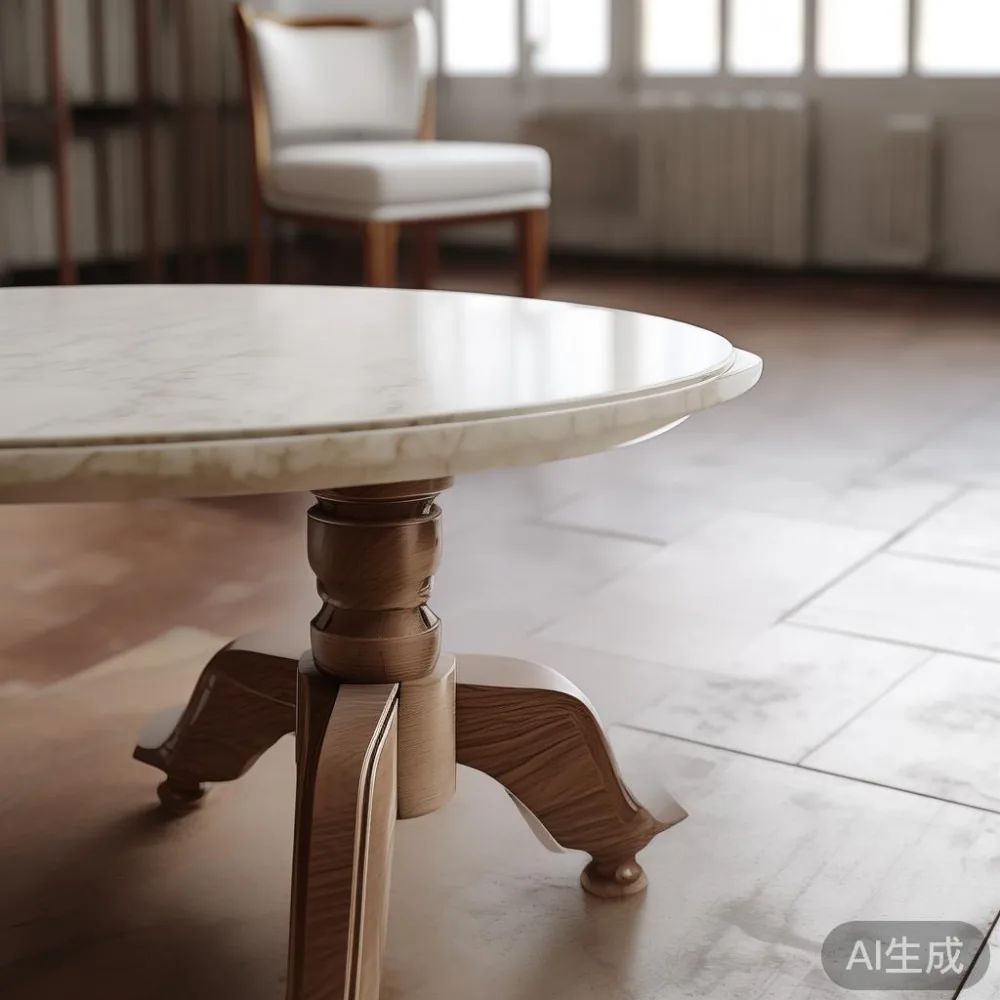
This is where many customers get tripped up. The warranty for the 'marble top' is almost always separate from the structural warranty. Marble is a natural stone, prized for its unique veining and cool feel, but it is porous and sensitive. A warranty for a marble-top surface will typically cover manufacturing defects, such as cracks that appear during production or installation. It will not cover issues that arise from use. This includes stains from red wine or coffee, etch marks from lemon juice, scratches from cutlery, or dulling from regular cleaning with the wrong products. For a homeowner in a condo in Punggol, this is an important distinction. The warranty might state the marble is covered for 1 year against defects, but you are responsible for using coasters, placemats, and a pH-neutral cleaner to maintain its appearance. Some warranties offer a 'lifetime refinishing' service, which is a valuable perk. This means if the surface becomes worn or scratched over many years, the manufacturer will refinish it for a fee or sometimes for free, restoring its original lustre. This is different from a warranty claim for damage.
What's Not Covered: The Fine Print on Misuse and Wear
Every warranty contains a list of exclusions, and this is where you need to pay the most attention. These clauses define the boundary between a manufacturing defect and user-caused damage. For any piece of furniture, misuse is a primary exclusion. This includes placing a hot object, like a pot from the stove, directly onto a marble-top table without a trivet, which can cause a heat ring. It also includes exceeding the weight limit of a shelf in a wardrobe or using a dining chair as a stepladder. Environmental factors are another major exclusion. High humidity, common in Singapore, can cause solid wood to expand and contract. A good warranty will account for this, but it won't cover damage from extreme conditions, like placing a solid wood sofa directly next to an air conditioner vent that blows cold, dry air. Normal wear and tear is also excluded. This is the gradual fading of fabric on a sofa or the development of a slight patina on the wood of a bed frame over 10-15 years. Understanding these exclusions helps set realistic expectations and prevents disputes when a claim is denied.
How to Choose a Japanese Wardrobe and Its Warranty Implications
The style of your furniture can influence the type of warranty you need. When you are considering how to choose Japanese wardrobe, for example, you are often looking at minimalist, clean-lined designs made from light-coloured woods. These wardrobes may have sliding doors that run on a track system. A warranty for such a piece should specifically cover the hardware: the quality of the rollers, the smoothness of the track, and the durability of the door guides. A flimsy warranty here could mean the doors start to wobble or come off their tracks after a few years of use. Similarly, if you're looking for European light luxury for office furniture, the warranty should reflect the higher quality of materials. An executive desk with a marble top needs a warranty that guarantees the stability of its metal or solid wood base under the weight of computers, monitors, and paperwork. The warranty should also cover the finish on the wood or metal to prevent peeling in an air-conditioned office environment. Always match the warranty's coverage to the specific demands of the furniture's style and function.
What Happens When You Need to Make a Claim?
So, you've identified a potential defect covered by the warranty. What's the process? A good warranty will have a clear, straightforward claims procedure. This usually starts with contacting the manufacturer or retailer with your proof of purchase. You will likely need to provide photos or videos of the defect. For a marble-top table, this could be a clear photo of a crack in the stone or a seam where two pieces have separated. The manufacturer will then assess the claim. This is where the timeline becomes important. A response should be given within a specific number of days, for example, 14 days. If the claim is approved, the resolution could be a repair, a replacement of the defective part, or in rare cases, a full replacement of the item. The warranty should specify who covers the cost of shipping and labour for the repair. For instance, a 10-year structural warranty should cover the cost of a technician visiting your home in Tampines to fix a broken bed frame leg. Always keep your original purchase invoice, as it's the key to activating your warranty rights.
French Bed vs Japandi Bed: Warranty Differences to Consider
The design philosophy of your furniture can also dictate the warranty's focus. Consider the difference between a French bed and a Japandi bed. A French light luxury bed frame is often ornate, with detailed carvings, an upholstered headboard, and a dark, polished finish. Its warranty would need to cover the integrity of the wood joints, the stability of the carved details, and the fabric on the headboard. A warranty that doesn't explicitly state it covers fabric stitching or wood joint integrity could be a red flag. On the other hand, a Japandi bed frame is characterised by its simplicity, clean lines, and use of natural, light-toned woods like oak or ash. The warranty for such a piece would focus on the quality of the wood, the finish to prevent yellowing, and the sturdiness of the slats. Understanding these differences helps you evaluate whether a warranty is comprehensive for your specific choice of style.
Free Shipping and Returns: Are They Part of the Warranty?
It's easy to confuse the warranty with the company's general sales policies. These are separate but equally important. For example, free shipping over SGD 350 is a fantastic perk, but it's a sales policy, not a warranty promise. It means if your order qualifies, the cost of delivery to your condo in Bedok is on the house. Similarly, a 14-day return policy allows you to send the item back if you simply don't like it or it doesn't fit in your space. This is different from a warranty claim, which deals with defects, not buyer's remorse. When you receive your furniture, inspect it immediately. Check the marble-top table for any chips or cracks before the delivery team leaves. For a solid wood sofa, look for any scratches or fabric flaws. Document any issues with photos and contact the retailer right away. This is not a warranty claim but a delivery issue, and it's governed by the return policy, not the warranty document.
How Long Should a Warranty Last for Different Furniture Types?
Not all furniture is built the same, and neither should their warranties be. A good rule of thumb is that the more substantial and structural the piece, the longer the warranty should be. A dining table or bed frame is a core structural item in a home, so a 10-year structural warranty is a strong indicator of quality. A wardrobe, which also bears significant weight, should have a similar long-term warranty for its frame and hardware. Smaller, less structural items like a nightstand or a set of dining chairs might have shorter warranties, perhaps 3-5 years for structural defects. For items with moving parts, like a wardrobe with drawers or a sofa with a reclining mechanism, the warranty for those specific parts should be clearly stated. A 'lifetime refinishing' warranty on a marble-top table is a premium feature that adds significant value, as it protects the surface's appearance long after the initial purchase period.
Is a 'Lifetime' Warranty Really for Life?
The term 'lifetime warranty' sounds appealing, but it's important to understand what 'lifetime' means. It almost never means the warranty is valid for your entire life. Instead, it typically refers to the lifetime of the product or the lifetime of the original owner. This means if the company stops making that specific marble-top table design, the warranty may no longer be valid. It also means the warranty may not be transferable if you sell the furniture. Also, a 'lifetime' warranty often comes with conditions. For a marble-top, it might mean 'lifetime against structural defects' but not 'lifetime against stains'. For a solid wood sofa, it might mean the company will refinish the wood for as long as you own it, but you have to pay for the shipping and labour. Always read the fine print to see if there are any hidden costs or conditions associated with the 'lifetime' promise.
What Are the Hidden Costs in a Furniture Warranty?
A warranty might promise a free repair, but the devil is in the details. Ask yourself: who pays for what? A comprehensive warranty will specify that the manufacturer covers all costs associated with a valid claim. This includes the cost of the replacement part, the labour of the technician, and even the shipping of the part to Singapore. A less comprehensive warranty might state that the part is free, but you have to pay for the technician to come to your home in Tampines. This could cost SGD 150 or more per visit. Some warranties might also require you to return the defective item to the warehouse, which could be located overseas. You would be responsible for the return shipping costs, which could be prohibitive for a large dining table. Always look for clauses that specify 'all-inclusive' coverage to avoid unexpected bills when you need to make a claim.
Industrial for Guest Room: Matching Warranty to Style
Your choice of furniture style should also influence your warranty scrutiny. If you're looking for Industrial for guest room furniture, you're likely choosing pieces with a raw, utilitarian aesthetic. This might include a metal-framed bed with a distressed finish or a dining table with a concrete-look top. The warranty for such furniture needs to be specific. For the metal frame, it should cover against rust or peeling paint, which are common issues in humid climates like Singapore. For a faux concrete top, it should guarantee it won't crack or chip under normal use. A generic warranty that just covers 'structural defects' is not enough. You need one that addresses the specific materials and finishes used in the Industrial style. Similarly, if you are searching for the best Industrial wardrobe for 2026, ensure its warranty covers the unique hardware, like heavy-duty metal drawer slides and locking mechanisms, which are hallmarks of the style.
How to Verify a Company's Warranty Reputation?
A warranty is only as good as the company that stands behind it. Before you buy, do some research. How long has the company been in business? A company like MIDHILL, established in 2008, has a long track record. Check if they export to many countries, as this is a sign they meet international quality standards. Look for customer reviews that specifically mention their experience with the warranty process. Did the company honour their promise without a fight? Was the process smooth? A company that offers a 10-year structural warranty and lifetime refinishing is making a bold claim, and you should verify that they have a history of honouring it. Be wary of companies with vague warranty terms or those that make it difficult to find the warranty information on their website. Transparency is a good sign of a confident manufacturer.
What's the Real Difference Between a 1-Year and a 10-Year Warranty?
The length of a warranty is a direct reflection of the manufacturer's confidence in their product's durability. A 1-year warranty suggests the company expects issues to arise within the first year, or that they only intend to cover major manufacturing defects for a short period. A 10-year warranty, on the other hand, tells you the company believes their solid wood sofa or marble-top dining table is built to last for a decade. It's a long-term commitment. When comparing warranties, don't just look at the number of years. Look at what is covered during that time. A 10-year warranty that only covers the frame is less valuable than a 5-year warranty that covers the frame, the finish, and the hardware. The comprehensive nature of the coverage is more important than the length alone. A 10-year structural warranty from a reputable provider gives you long-term security for your most important furniture investments.
MIDHILL European Light Luxury Sofa: A Warranty Case Study
Let's consider a specific example: a MIDHILL European light luxury sofa. This style is characterised by clean lines, premium fabrics, and a focus on comfort and elegance. A good warranty for this piece would be multi-faceted. It would have a 10-year structural warranty for the solid wood frame and the internal spring system. It would have a 5-year warranty for the foam cushions, guaranteeing they won't sag excessively within that period. It would have a 2-year warranty for the upholstery fabric, protecting against manufacturing defects like seams coming apart or fabric colours fading unevenly. This tiered approach covers all aspects of the sofa's construction. When you buy a piece like this, you are not just buying a place to sit; you are buying a long-term comfort solution. A comprehensive warranty ensures that every component of that solution is protected, giving you confidence in your purchase for years to come.
Final Checklist: What to Ask Before You Sign
Before you commit to a purchase, use this checklist to interrogate the warranty. Print it out and take it with you when shopping.
- Structural Coverage: What is covered for 10 years? (e.g., frame, legs, joints). What is excluded?
- Surface Coverage: What is the warranty for the marble top or fabric finish? Does it cover stains and scratches, or only manufacturing defects?
- Moving Parts: What is the warranty for drawers, sofa mechanisms, and sliding wardrobe doors?
- Process: What is the step-by-step process for making a claim? How long does it take to get a response?
- Costs: Who pays for shipping, labour, and parts for a valid claim? Is there any cost to me?
- Exclusions: What specific actions are considered misuse? (e.g., placing hot items, exceeding weight limits).
- Documentation: What proof of purchase do I need? How should I document a defect?
By asking these questions, you move from being a passive recipient of a warranty to an active evaluator of its true value. This proactive approach is the best way to ensure you get the protection you paid for and avoid any unpleasant surprises down the road.