Furniture Warranty Guide: Read Legally Without Tricks
A furniture warranty can look reassuring on a showroom page and still leave several practical questions unanswered: Does it cover a cracked marble top? Who pays for collection? What happens after a year? In Singapore, where many homes sit in HDB flats and condos around Tampines, Bedok and Punggol, those questions matter because a damaged dining table or bed frame must often travel through a shared lift and narrow corridor before it reaches a workshop.
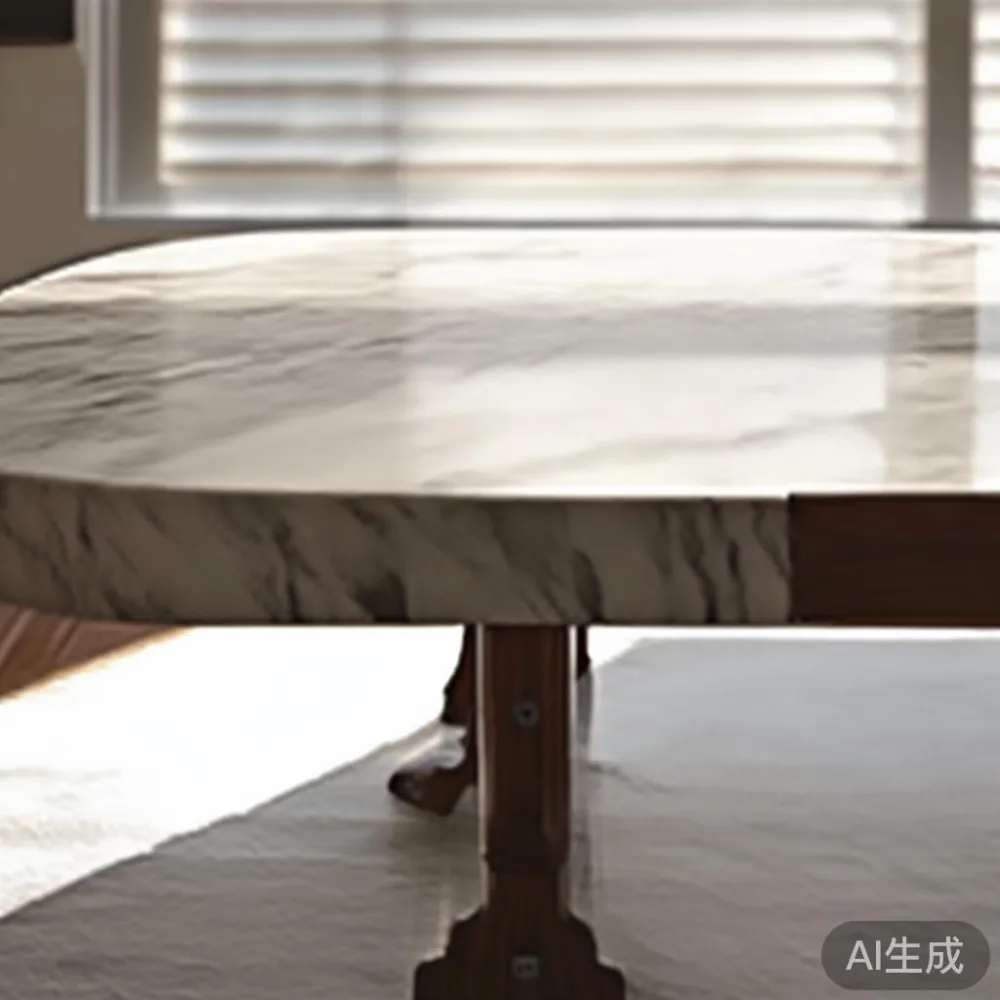
This guide explains the clauses worth checking before you order a solid wood sofa, bed frame, dining table, wardrobe, nightstand or marble table. The goal is not to distrust every warranty. It is to understand what the document promises, what it excludes, and how you must prove the claim.
What does a 10-year furniture warranty actually cover?
A 10-year structural warranty usually covers defects in the load-bearing frame or construction, provided the product has been used normally and the damage is not caused by an accident or improper care. It does not automatically mean every part remains replacement-free for 10 years. Hardware, finishes, marble, cushions and electrical components may have shorter periods or separate conditions.

For example, a dining table with a solid wood base might receive a 10-year structural warranty, while its marble top could be covered for 1 to 3 years depending on the supplier’s terms. A bed frame might be covered against joint failure for 10 years, whereas slats, drawer runners and a mattress may have different periods. A wardrobe might include 10-year coverage on the carcass, but moving parts such as hinges and tracks may carry a shorter warranty.
Ask for the warranty period of each component, not just the headline figure. Check whether the wording names the frame, carcass, joints, drawer mechanism, surface finish, stone top or hardware. Also ask whether replacement is “like-for-like” or depends on current material availability. Over a 10-year term, timber species, stains and stone patterns can change, so a structurally similar replacement may not match the original piece exactly.

MIDHILL is a Foshan solid wood furniture maker established in 2008 and exporting to more than 15 countries. Its 10-year structural warranty and lifetime refinishing policy provide useful starting points, but the written terms still need to be read against the individual product you are buying.
Does the warranty cover a cracked marble top?
Not always. A marble top can crack because of an impact, an uneven base, a hidden substrate defect or movement in the building. Some warranties cover manufacturing defects in the stone, while excluding impact damage, settling foundations and failure to use the supplied wall restraint or fixing kit.
Check 3 points in particular:
1. The cause of damage. If the marble separates from its substrate because the bonding or support was defective at manufacture, the claim may qualify. If a heavy object is dropped onto the surface, an impact exclusion may apply.
2. The type of marble. Natural marble contains veins and may have natural variations. Ask whether hairline fissures, colour differences, gloss variation and minor edge chips are treated as product characteristics rather than defects.
3. The installation method. A heavy marble table may require 2 people, a lifting team and secure packaging. If 1 person carries it upstairs by hand, an accidental crack may not be covered. Record the condition at delivery with dated photographs and video.
The same attention applies to a marble-top nightstand, which is still vulnerable to knocks near an HDB bedroom door. Confirm whether the stone is supplied separately and whether assembly instructions require a specific adhesive, support or fixing method. Following the instructions is part of proving reasonable use.
Who pays for collection, repair and return delivery?
A warranty may repair or replace the item at no charge, but responsibility for transport can be complicated. Some suppliers charge the customer to bring a small nightstand to a workshop. Others require an authorised inspection, collection from the address and return delivery. In Singapore, collection logistics can be more demanding than a simple doorstep exchange.
Typical HDB lift openings are around 90 cm wide and 140 cm deep, while common corridor widths range from approximately 100 to 150 cm. These dimensions are examples, not guarantees for every block. Measure the lift car, lift door, landing, staircase and turning space before confirming access.
Also measure the furniture in its packed form. A sofa boxed for delivery may have a compressed carton measuring 210 cm long, 95 cm wide and 45 cm high, but the actual route through a corridor can still involve 90-degree turns. A dining table may need to be carried upright, while a bed frame may be split into several parts. Record clearances at least 10 cm wider than the largest rigid package where possible.
Ask the supplier to state whether freight, disassembly, collection, insurance, GST and return delivery are included. Confirm who loses the product if the old unit is collected but the replacement is delayed. If a marble table weighs 70 kg, a 2-person carry may be unsafe without the correct straps; insist on appropriate equipment rather than improvising.
GST is generally 9% in Singapore, but your receipt should show the taxable amount and GST separately. A warranty that reimburses “the invoice value” may exclude delivery or installation charges. Clarify the calculation and whether claims are settled after the returned item is inspected.
What do “normal use”, “commercial use” and “lifetime refinishing” mean?
“Normal use” usually means indoor, residential use that follows the care instructions. A sofa used daily in a family condo may still qualify, but intensive office use, outdoor placement, damp storage and weight above the stated limit may not. A solid wood dining table rated to 120 kg is not automatically approved for 250 kg of equipment or repeated standing.
Look for weight limits, environmental conditions and prohibited treatments. Leather or fabric cleaning, silicone heat protection, humidity control and floor levellers can all affect claims. For a solid wood bed frame, avoid placing it near a persistent damp patch and use the specified centre supports. For a wardrobe, confirm anchoring instructions, especially in taller HDB flats where floor levels and wall movement can affect tall carcasses.
“Lifetime refinishing” needs equally precise reading. It may mean the manufacturer will refinish a qualifying wooden piece at a stated price, or it may apply only to certain products and at no charge. Ask whether the offer covers labour, materials, collection, return freight, marble surfaces, hardware and damage caused by ordinary wear.
One practical test is to request the service terms before purchase: eligible items, number of refinishing services, turnaround period, cost, shipping responsibility and effect on warranty coverage. Keep the answer with your receipt. Without those details, the phrase can create expectations that the small print does not support.
Is replacement guaranteed within 30 days, or can I receive credit?
A reasonable claim process should have stated stages and dates. For example, the supplier might acknowledge a claim within 3 working days, inspect it within 7 days, approve a remedy within 10 days and complete an in-stock replacement within 30 days. These are not universal deadlines, so use them as questions rather than assumed rights.
Ask what happens when the exact replacement is unavailable. Options may include a comparable model, a repair, a refund or store credit. If the item was discontinued, is the refund based on the original invoice price or the current price of an equivalent item? If credit expires after 12 months, you may lose practical value.
Also establish whether the remedy resets the warranty. If a dining table receives a new marble top in year 4, does the marble replacement receive a fresh 3-year period, while the original wood base keeps its remaining structural term? A clear answer prevents disputes about the next claim.
Buyers often use social posts and search guides while comparing a Japanese sofa vs Mid-century modern sofa, a Japanese sofa vs Mid-century modern sofa comparison, or the best Post-modern bed for 2026. Those design choices affect dimensions and materials, but the warranty remains more dependable when it identifies the exact construction you received.
What evidence should I keep after delivery?
Create a delivery record on the day the furniture arrives. Photograph the unopened carton, the package label and every visible side of the completed item. Include close-ups of joints, drawer runners, stone edges, fixings and any existing marks. Run a 20-second video showing the piece in place and the room’s access route.
Save the invoice, product specification, care guide, warranty certificate and delivery note in 1 folder. Label files with the order number and delivery date, such as “Dining Table — Order 4821 — 14 March.” If a claim later concerns a rocking joint or a stained marble top, these records show that the problem was not obvious at handover.
Report damage within 24 to 48 hours, even if the warranty does not specify a period, because prompt notice helps an insurer or carrier investigate. Do not repair a failed component unless the supplier instructs you to do so; unauthorised work can invalidate cover. Keep removed parts until the claim is resolved.
Use the care guidance for the product. Dust a solid wood sofa or bed frame with a soft cloth, keep a marble table away from acidic liquids, and follow the recommended humidity range. If spillages occur, blot rather than scrub. If a product develops a fault, stop placing unusual loads on it and arrange an inspection.
How do I compare warranties from 2 different suppliers?
Compare claims in the same order, not by the largest headline number. Give each supplier a written scenario: “My dining table has a hairline crack in the marble top after 18 months of normal indoor use, with no impact or heavy load. Who inspects it, who collects it, what remedy applies, and how long should the process take?” The answers reveal more than a generic 10-year badge.
For a condo project, check whether the warranty is transferable when a home is sold or rented. For an HDB flat, check whether delivery through a shared lift affects the carrier’s liability. For a custom wardrobe, check whether site measurements and installation are included in the covered item.
Style should not obscure the fine print. Researching top 10 Italian light luxury furniture may lead you toward sculpted dining tables and marble surfaces, while a top 10 Minimalist furniture shortlist may favour clean-lined storage. A French provincial for bedroom search may return a carved bed frame or traditional nightstand, and Modern light luxury for bedroom often combines padded upholstery with pale timber. In each case, verify the actual wood species, stone thickness, joinery and warranty coverage.
MIDHILL’s export experience across 15 or more countries and its 14-day return window can be useful reference points, but confirm the terms that apply to your Singapore order, including delivery days, access charges and the treatment of a marble top after delivery.
What should I ask before paying the balance?
Send these 8 questions in writing and retain the supplier’s replies:
- Does the 10-year structural warranty apply to the exact wood, stone, joints and hardware in this product?
- What separate periods apply to marble, finish, cushions, hinges, runners and electrical parts?
- Are collection, inspection, repair, return delivery, GST and installation covered?
- Are impacts, movement, moisture, misuse and commercial use excluded?
- How many days should acknowledgement, inspection, approval and remedy each take?
- Can the remedy be repair, replacement or credit, and how is the original value calculated?
- Does the replacement restart the component warranty?
- What does lifetime refinishing include, and what are its eligibility and freight terms?
Check the payment timeline too. A deposit may protect the price, while the balance becomes due before production or dispatch. Understand the cancellation terms, estimated production time and delivery window in working days. A promised 40-day delivery may exclude peak periods, but the contract should state how delays are communicated.
Confirm the 14-day return conditions too: whether the item must be unused, whether assembly changes the return, and who pays return freight. If the furniture has already been moved into a Tampines, Bedok or Punggol home, the seller may need proof of the original packaging and condition.
One last check matters in a high-rise setting: can a replacement unit enter the building safely? Share lift dimensions with the supplier and ask for the packaged measurements of any replacement. A warranty is only meaningful if the remedy can physically reach you.
Why do so many furniture warranties rely on “structural” wording?
“Structural” points to the elements that make the product stable and usable. For a solid wood bed frame, it may refer to the main rails, posts and joints. For a dining table, it may cover the base and load-bearing construction. For a wardrobe, it may address the carcass and fixed components. Structural wording usually says less about cosmetic wear, surface finish and movable hardware, which is why the component schedule matters.
Last month I visited a colleague in a Bedok condo with a 78 cm marble-top console. The stone had a visible fracture near one corner, and the seller’s first message simply asked for a photograph. The supplier then requested the delivery video, original invoice and confirmation that the console had not been assembled as a freestanding shelf. The case was resolved because the footage showed that the unit had been positioned next to a sliding door and struck by the door handle. Without that record, the repair outcome would have been much less certain.
My colleague’s experience illustrates a broader point: a warranty is not only a contract between a maker and a buyer. It also depends on building access, installation, care, documentation and the supplier’s ability to diagnose the fault. Read the exclusions, test the process with a hypothetical claim and keep evidence. A clear warranty should answer those questions in writing, including what happens to a cracked marble top, who pays for collection and how a claim progresses within a defined number of days.