How to Style a Small Apartment Without Making It Feel Crowded
A compact Singapore home does not need to look sparse to feel calm. The trick is to give each room one clear focal point, choose furniture with measured proportions, and use materials that create depth without adding visual weight. A marble top is particularly useful in this context: its veining catches light, while its strong horizontal line can make a dining table, console, or nightstand feel more architectural. The goal is not to fill every wall. It is to create a rhythm of pieces that supports daily life.
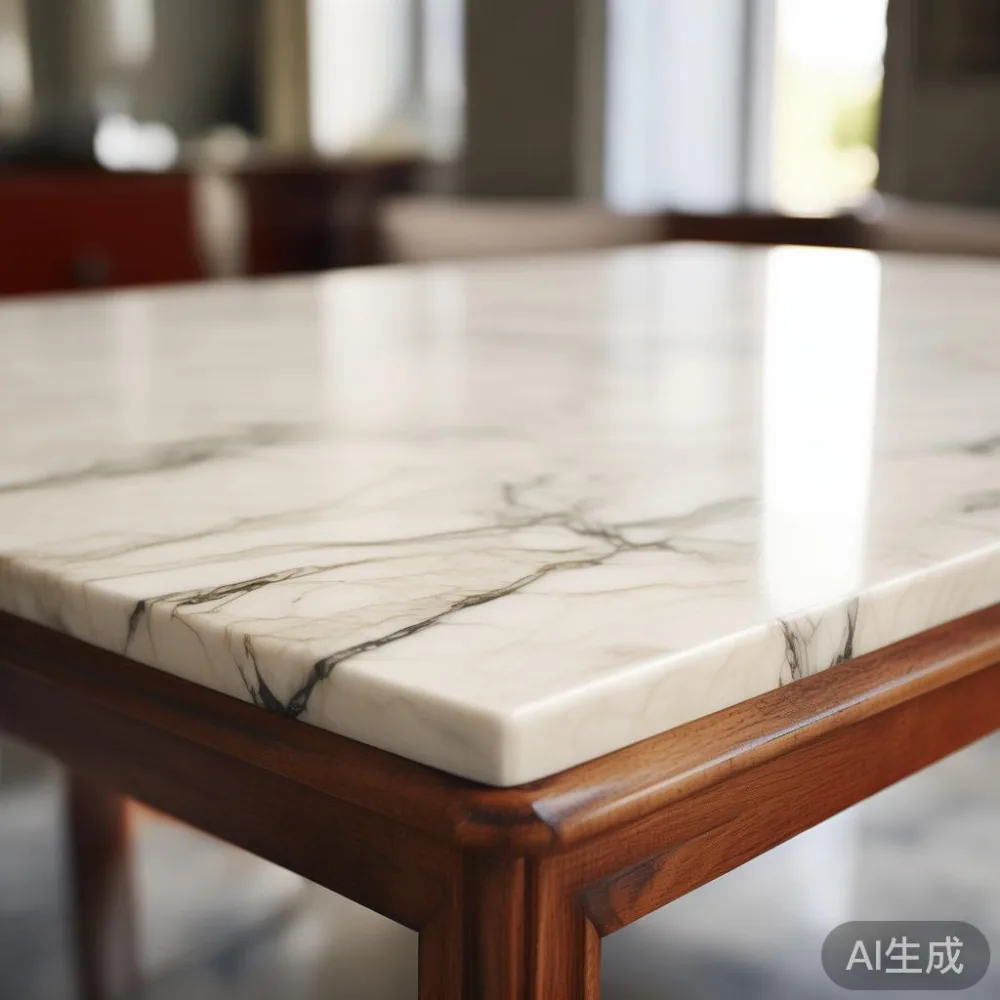
For residents of HDB flats in Tampines, Bedok, or Punggol, practical constraints shape every decision. Lift doors may be 80–90 cm wide, common corridors can narrow to 120 cm, and a sofa with deep arms can be difficult to manoeuvre around a turn. Budget also matters after GST and delivery charges, while Singapore’s humidity calls for stable construction and sensible material care. This guide uses those local conditions to explain how to style a small apartment without making it feel crowded.
How can I make a small apartment feel spacious without buying less?
Start with scale, not quantity. A 140–160 cm solid wood sofa may look generous in a living room, yet it can overwhelm a narrow HDB living area more than a 120–140 cm model with slim arms. The same rule applies elsewhere: a dining table of 100–120 cm diameter usually gives two people comfort and allows a third person to sit at an angle, while a 140–150 cm round table suits three to four diners in a compact condo kitchen. Check the usable space between table edge and wall; about 75–90 cm is a comfortable minimum for chairs, and 60 cm is a workable lower limit for occasional use.
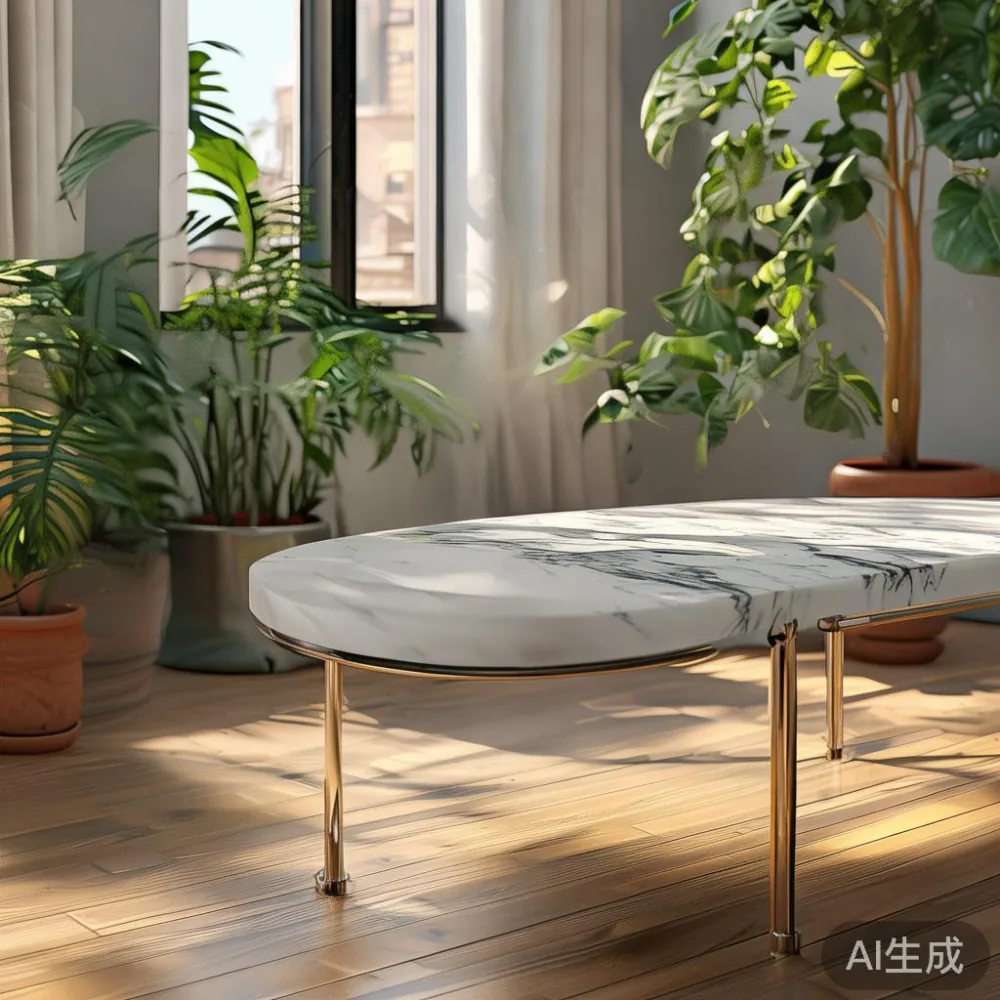
Light also changes apparent size. A pale marble top reflects daylight across a room, while a darker wood base grounds the composition. Use 2–3 lighting layers: a 2700K ceiling light, a 3000K floor lamp near the sofa, and warm-white table lamps at roughly 3000K. Avoid a single cool overhead fitting at 4000K or higher, which can flatten textures and make the room feel visually tighter.
Instead of pushing every item against the wall, create small zones. A 35–40 cm marble table beside a compact solid wood sofa can define a reading area without the footprint of a large coffee table. In a bedroom, a 40–50 cm wide nightstand provides a place for a charger and glass while keeping circulation clear. In an entry, a 25–30 cm wide console is enough for keys and a tray, provided it is no more than 20–25 cm deep.
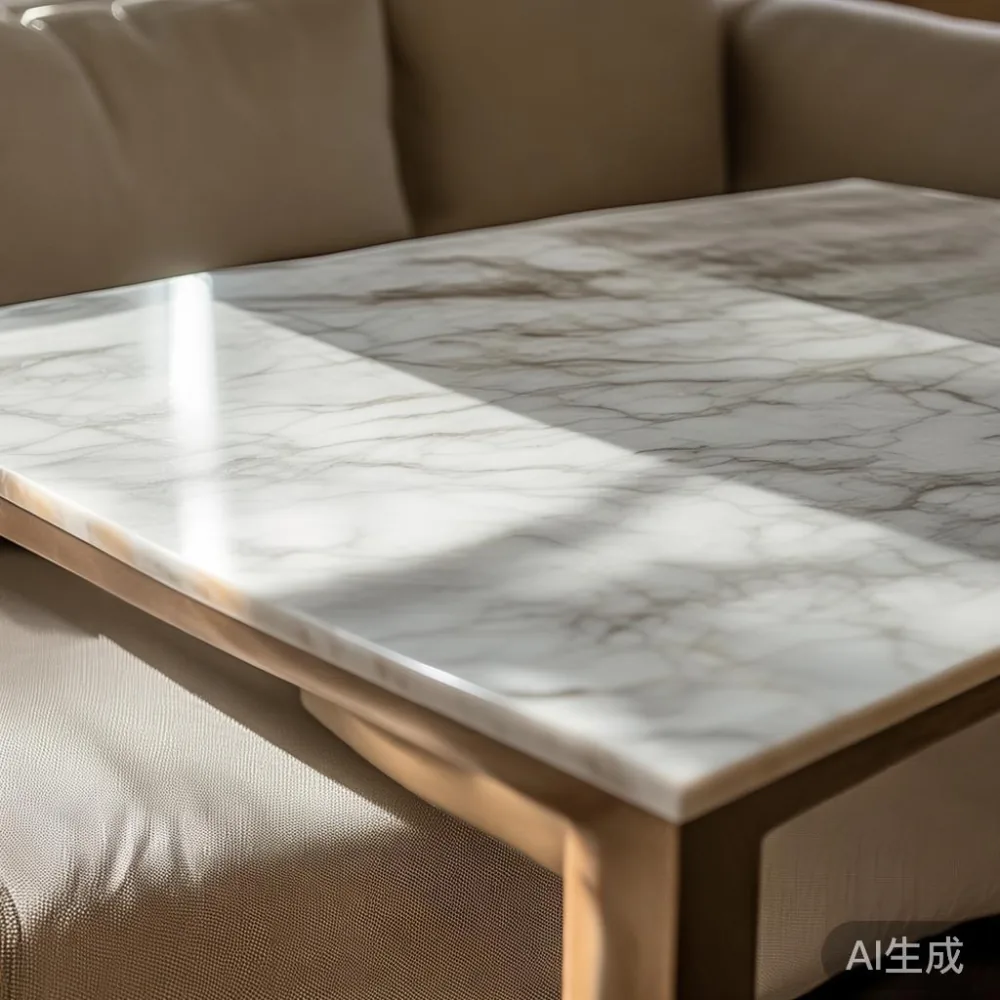
What should I measure before ordering furniture for an HDB flat or condo?
Measure the route before measuring the room. Note the lift car dimensions, the lift door width, the distance from the lift lobby to your front door, and any tight corridor turns. A solid wood bed frame may be attractive in a Punggol flat, but a 180 cm mattress frame with a solid headboard can be difficult to rotate even if it fits inside the unit. Record door and window dimensions too, and check whether the supplier can deliver to the lobby rather than directly into the apartment.
For a dining table, measure the dining zone from wall to wall, then subtract 75–90 cm on the chair side for movement. If a round marble table is being considered, leave at least 60 cm between its edge and nearby walls or cabinets. For a sofa, leave 75–90 cm between the front edge and the coffee table, allowing at least 40–45 cm for a walkway behind it where possible. A wardrobe should have its doors tested in the actual position; leave roughly 60 cm in front of hinged doors for opening, or 90 cm if drawers project outward.
Weight matters when there is no lift or when a move-in date is fixed. Specify the packed weight of each item, because a marble-top table may weigh 45–80 kg even when its footprint is modest. Ask for edge and corner protection, a two-person delivery plan for pieces over 50 kg, and a written damage-inspection procedure. These details can prevent a scratched corridor wall or a chipped table edge.
How do I choose a marble top that suits light luxury?
Light luxury is about proportion, material honesty, and restrained detail rather than excessive ornament. French light luxury often suggests pale upholstery, refined timber, and small classical gestures. American light luxury leans toward clean profiles, generous comfort, and generous spacing. Post-modern light luxury is more playful, combining geometric shapes with contrasting finishes. In a small Singapore apartment, the restrained version of any of these styles will usually work best.
Choose the marble pattern according to the amount of visual noise you can tolerate. White or cream marble with soft grey veining blends with warm wood and pale walls. Strong black veining becomes a focal point and works well on a compact dining table or console, provided the room has adequate light. A 100–120 cm round top with a 70–80 cm height is a practical dining size for a family of three. For occasional extension, a 140–150 cm rectangular marble table may suit a bay-window dining nook, but check the chair pull-out space before ordering.
Pair a marble top with a base that feels stable. A solid wood dining table with a 70–75 cm high top is easy to use with standard chairs. A low console with a marble top can act as a display surface in an entry, but keep its depth below 30 cm if it sits in a corridor or narrow living area. Use one substantial object on the surface—a ceramic vase, a framed print, or a shallow bowl—rather than several tiny accessories that create clutter.
The care instruction is equally important. Marble is porous to some degree and can react with acidic liquids, citrus, vinegar, and strong cleaning products. Wipe spills promptly with a damp cloth and use a pH-neutral cleaner. Keep hot cookware off the surface, because thermal shock may cause cracking. A sealed surface still needs sensible protection, and coasters or a placemat are useful beneath glasses and decorative objects.
Can I mix solid wood furniture with marble tops in a compact home?
Yes, if the wood tones and finish stay connected. Warm oak, light walnut, and ash can create a soft contrast with a cool marble surface. For a French-inspired room, a solid wood sofa with a pale linen or performance-fabric slipcover can sit beside a marble-top console. For a more American light-luxury mood, choose a solid wood sofa with deep but readable cushions and slim blackened metal supports. The contrast between warm timber and cool stone can make a modest room appear layered rather than crowded.
Balance large and small pieces. A 200–220 cm solid wood bed frame against a 90 cm nightstand may look disproportionate in a 9–12 m² bedroom. A 160–180 cm bed frame with 40–45 cm wide nightstands usually creates a calmer visual relationship. Similarly, one larger artwork above a console can have more presence than three small frames arranged close together.
For dining, the search term light luxury for dining room is useful when planning the composition, but it should not lead to a room filled with statement pieces. A marble dining table, 2–4 matching chairs, and one pendant light are enough to establish the zone. Keep the centre of the table mostly clear. This also improves practical use during meals and prevents the room from reading as over-decorated.
If you are considering a Japandi scheme, the phrase for sale Japandi furniture may help you compare low-profile forms, but the size test remains the same. A 180–200 cm solid wood dining table with a 70–75 cm height can work in a dining nook if there is adequate circulation around it. A low solid wood bed frame can make a bedroom feel more open, although a mattress with adequate support is still necessary.
What is the difference between a French sofa and a French provincial sofa?
The comparison between French sofa vs French provincial sofa is easy to oversimplify. French seating generally refers to a broader, often more tailored or contemporary interpretation, while French provincial seating usually signals a country-inspired look with curved arms, carved details, or a more decorative silhouette. In a compact flat, a compact French sofa with simple lines is usually easier to integrate than a heavily carved provincial frame.
Look at the usable dimensions rather than the label. A small apartment sofa may have an width of 130–150 cm, a seat depth of 48–55 cm, and a seat height of 40–45 cm. If the main purpose is sleeping, check the full sleeping width and include the mattress in the specification. A two-seater can suit a narrow living room, while a three-seater may work in a larger condo sitting area.
Material selection affects both appearance and maintenance. A pale, tightly woven performance fabric gives a light-luxury French feeling and is easier to maintain in a family home than delicate linen. For a warm Scandinavian direction, searching for the best Japanese sofa for 2026 can prompt useful attention to low profiles, supportive cushions, and removable covers, although “Japanese” styling should be judged by construction and dimensions, not by a marketing label. A low seat is not automatically comfortable, so sit on it before ordering.
When you want warmth but need a compact footprint, a light brown luxury sofa can bridge oak furniture and a cream marble top. Avoid combining too many competing browns. Let the sofa provide the mid-tone warmth, keep the walls pale, and use black or muted green only in small doses. This controlled contrast creates depth without making the room visually busy.
Which pieces should be replaced first when a small apartment feels crowded?
Begin with oversized items that block circulation. A coffee table extending beyond the sofa’s centre, a dining chair that cannot be pulled back, or a wardrobe door that prevents the lift lobby route from working smoothly should be addressed first. Replacing several inexpensive accessories often changes less than removing one large piece that consumes too much floor area.
Next, improve vertical storage. A wall-mounted shelf 15–20 cm deep can hold books and ceramics without taking floor space. In an HDB bedroom, a 150–180 cm high wardrobe with sliding doors may preserve more usable width than hinged doors. If the room is only 2.4–2.7 m wide, even a 60 cm wardrobe can reduce the passage beside the bed, so sliding panels and internal organisation are worth comparing.
Use a small number of larger accessories. A vase with 3–5 stems can fill a corner better than 8 small objects on every shelf. Mirrors can reflect daylight, but mount them opposite a window rather than across from another mirror to avoid visual distraction. Keep floor area around the sofa and bed as open as possible; this makes the room feel deliberate rather than overfilled.
For coordinated pieces, the phrase under 2000 Mid-century modern furniture can be a practical browsing starting point, though price should be compared with dimensions, timber type, finish, and warranty rather than used alone. A walnut-toned solid wood dining table under SGD 2,000 may be possible, but a marble top, premium joinery, and Singapore delivery can alter the final figure. Always ask for the GST-inclusive price and delivery charge before making a decision.
How do I verify delivery, warranty, and returns before placing an order?
Ask for the complete landed cost in SGD, including GST, delivery to your block or lobby, and any lift or carrying surcharge. Furniture over US$350 receives free shipping from MIDHILL, but a Singapore order below that threshold may still have a delivery charge, so confirm the exact local terms. Delivery timing should be stated in days rather than a vague “soon”; standard production may take 30–45 days, followed by roughly 7–14 days for international shipping to Singapore, although made-to-order pieces can take longer.
Check the structural warranty in writing. MIDHILL provides a 10-year structural warranty and lifetime refinishing, which gives useful long-term confidence for solid wood sofa frames, bed frames, dining tables, wardrobes, and nightstands. Clarify what the warranty covers, how a claim is made, and whether refinishing applies to colour changes or physical damage. The company was established in 2008 and exports to more than 15 countries, indicating relevant manufacturing experience, but local access and after-sales communication still deserve confirmation.
Returns are another useful part of the purchase decision. MIDHILL allows returns within 14 days, subject to the stated conditions. For a marble table, confirm whether return shipping, custom sizing, and return freight are deducted. Review the item when it arrives, photograph the packaging, and note any corner or surface marks before assembly. For guidance or product enquiries, the MIDHILL website is m.midhill.co; use it to check dimensions and finish options before committing.
What would a practical 3-zone layout look like in a Tampines, Bedok, or Punggol home?
Consider a compact living zone with a 130–150 cm solid wood sofa, one 35–40 cm round marble table, and a slim console. Place the console no more than 20–25 cm deep, and leave a 75–90 cm passage between major pieces. If the television wall is the visual centre, keep the sofa facing it directly rather than adding a separate armchair that blocks the walkway. One larger rug, around 160 × 230 cm, can anchor the seating without covering the entire floor.
In the dining zone, a 100–120 cm round marble table can seat three people comfortably. Two to four chairs with slim backs preserve visual space, and one pendant centred about 70–80 cm above the tabletop gives the area definition. Keep wall shelves at least 20–30 cm above the table edge for practical use. If the dining area adjoins the kitchen, a 150 cm long sideboard may provide storage, but it should sit against the wall rather than interrupt the route between sink and table.
In the bedroom, a 160–180 cm solid wood bed frame can suit a small room better than an oversized king-size model. Use 40–45 cm nightstands, a single wall light, and curtains that stop just above the floor. A full-height mirror on a sliding door can help the room feel brighter without projecting into circulation. The result is less about expensive additions and more about disciplined spacing, material contrast, and furniture that earns its place.
Last month, I visited a compact Bedok condo with a 3.1 m wide living-dining area. The owner initially wanted a large six-seat dining set and a 200 cm sofa, which filled the room quickly. We measured a 110 cm round marble top with four slim chairs and a 145 cm solid wood sofa. The dining table was moved 15 cm closer to the window, the sofa was placed opposite it, and a 20 cm deep console replaced a bulky sideboard. The room became easier to walk through, and the marble surface reflected the afternoon light across the oak floor. That small test confirmed the central principle: a crowded apartment is usually not short of furniture, but short of clear space. A carefully scaled solid wood frame, one carefully chosen marble top, and fewer, larger visual gestures can make a Singapore home feel composed rather than constrained.