Warranty Decoded: Choosing Furniture Wisely for Your Home
A furniture warranty can sound reassuring until a joint loosens, a drawer twists, or a marble top develops a hairline crack. For homeowners in Tampines, Bedok, and Punggol, where many purchases must pass through shared corridors, narrow HDB lifts, and compact condo access routes, the warranty is not just paperwork. It defines who is responsible when the delivered piece does not match the showroom expectation.
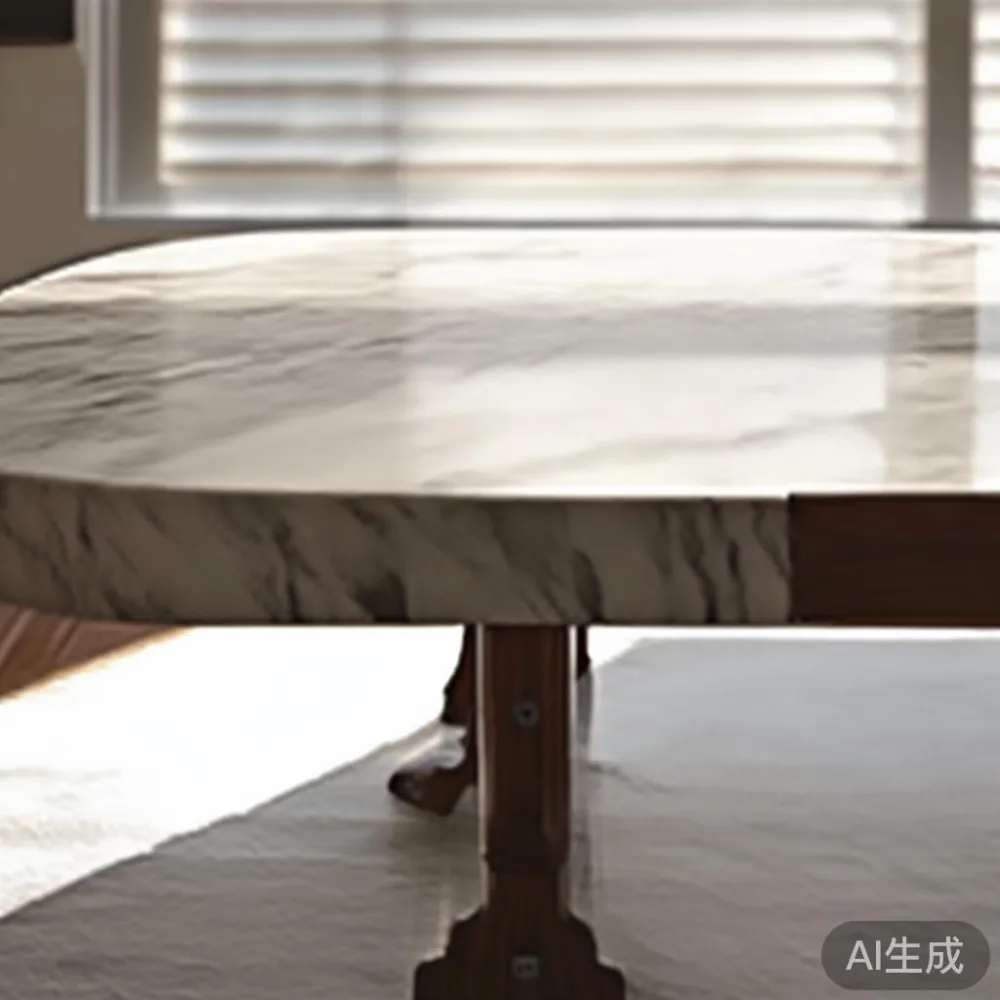
This guide explains the clauses to check, the measurements to take before ordering, and the questions to ask before payment. It applies to a solid wood sofa, bed frame, dining table, wardrobe, nightstand, and marble table, while keeping one practical point in view: good protection begins before the furniture leaves the workshop.
What should a furniture warranty actually cover?
A useful warranty should identify covered parts, excluded damage, repair methods, and time limits in plain language. Structural coverage may extend for 10 years, while finishes, hardware, and certain components often have shorter periods. A 10-year structural warranty is more useful than an undated promise of service, but you still need to establish what “structural” means.

For a solid wood sofa, look for coverage of frame failure, joint failure, and defective construction under normal use. For a bed frame, confirm whether the warranty includes the headboard, side rails, support legs, and approved slats. For a dining table, ask whether warping, splitting, and joint separation are treated as structural faults. Wardrobes require clarity on carcass deformation, drawer runners, hinges, and door alignment. A nightstand may have only 5 years of structural coverage even if the larger collection carries 10 years.
Finishes are another separate matter. Ask whether veneer lifting, colour changes, scratches, and ordinary wear are excluded. Marble needs its own wording because natural stone varies in grain, veining, and absorption. A marble top warranty should distinguish a manufacturing defect—such as a crack through the slab or an inadequately secured top—from impact, settling, or damage during relocation.

Record whether the company will repair, replace, refund, or issue store credit. If the product is discontinued after 7 years, what replacement will be supplied? If only a component is defective, does the company cover removal, transport, and reinstallation, or merely the replacement part? Labour can easily add SGD 80 to SGD 250 to a Singapore delivery, so that distinction matters.
Is a 10-year structural warranty enough for Singapore homes?
A 10-year structural warranty can be a meaningful commitment, especially for a dining table or bed frame, but duration alone does not answer the question. Climate control, delivery conditions, and product use all affect service claims. Singapore’s humidity is generally high, so solid wood may expand or contract by roughly 2 to 6 mm across a 180 cm width as moisture changes.
Ask where the furniture was made, which timber species are used, and whether solid wood components are kiln-dried to a stated moisture range. A responsible specification should identify an approximate range, often around 8 to 12 percent for interior furniture, rather than use a vague claim such as “fully dried.”
The warranty should also address conditions that can invalidate coverage. Placing a dining table beside an air-conditioner vent, exposing a solid wood sofa to persistent dampness, or resting a marble table on an uneven surface may lead to a claim being rejected. Keep furniture at least 20 cm from heating vents and radiators, and avoid direct afternoon sun through west-facing condo windows.
Singapore’s GST matters when comparing quotations. If two dining tables are listed at SGD 1,990 and SGD 2,290, compare the final payable amounts. At 9 percent GST, the difference becomes SGD 27 and SGD 36 respectively before delivery or access charges. A clear invoice should show the product, taxes, delivery fee, and any stair or lift surcharge separately.
How do I check delivery, assembly, and damage claims?
Photograph every side of a marble table, the dining table, wardrobe, and bed frame on delivery. Capture the packaging, corner protection, and the route into the home. Record the delivery date in writing, ideally within 24 hours of receiving the furniture, and inspect the marble top under normal daylight as well as room lighting.
Natural marble can show differences in pattern, but a crack, chip, or mismatch between the slab and its support is different from natural variation. Lift only one corner if the supplier permits it; never grip a projecting marble edge. A 120 kg marble dining top may require at least 3 people, while a 60 kg marble table can still need 2 because the weight is unevenly distributed.
Check the actual access route before ordering. A standard HDB lift interior may measure about 110 cm wide and 140 cm deep, although older blocks vary. A condo corridor may narrow to 100 cm at a turn, and the service lift may be 120 cm wide with a 210 cm door. A 180 cm dining table may fit through the lift diagonally but still fail to clear a corridor corner. Give the supplier the lift dimensions, turning space, and door measurements, not merely the unit floor.
Ask whether delivery is curbside or room-of-choice, whether assembly is included, and whether the removal of packaging is included. Confirm whether Sunday or evening delivery costs extra. Delivery should normally take 15 to 45 days for a made-to-order dining table or wardrobe, with stock items taking 3 to 10 days. A vague “fast delivery” claim is less useful than a dated estimate.
Record visible damage before the crew leaves, but do not sign a clean receipt if the marble top already has a chipped corner. Photograph the damage at close range and in a wider frame, keep the packaging, and request a written inspection note. For concealed faults, explain when the problem appeared and keep evidence of moisture conditions, placement, and normal use.
What does “lifetime refinishing” really mean?
A lifetime refinishing promise can be valuable, yet it must be translated into specific services. Does it include sanding, stain correction, sealing, and recoating? Or does it only cover the cost of labour? Are solid wood sofa frames, bed frames, dining tables, wardrobes, and nightstands all eligible? Are marble tops excluded because refinishing involves abrasion rather than colour correction?
Ask whether the original colour must be restored or whether an approved current finish is acceptable. Some suppliers charge a per-square-foot or per-piece assessment fee even when the service is described as free. A dining table might have a 1,800 cm top with shaped edges, and the refinishing cost can depend on preparation time, not only surface area.
Minimum order rules matter too. A supplier may offer lifetime refinishing for orders above SGD 1,500 but charge a minimum service fee of SGD 120 below that amount. Clarify whether refinishing is available once every 5 years or once every 10 years, and whether shipping within Singapore is covered. If the piece must travel to a workshop, who handles collection and return?
My colleague received a solid wood dining table last month and asked the salesperson for the refinishing terms in writing. The document stated that frame refinishing was available once during the first 10 years, while a marble top could receive polishing or resealing assessment but not structural restoration. That single distinction prevented her from assuming that every surface had identical coverage.
What should I ask before paying a furniture deposit?
Request the warranty, care guide, product specification, and delivery terms before transferring a deposit. For a deposit of 30 percent on a SGD 3,200 dining table, that is SGD 960 at risk. Ensure the receipt identifies the wood species, finish, dimensions, marble type, and expected delivery window.
Ask whether the warranty transfers if you sell the home or move the furniture. Most supplier-backed warranties follow the original purchaser or the physical product, but policies differ. A 10-year term should state whether it begins at purchase, manufacture, or delivery. Confirm whether time spent in transit counts; ideally it does not.
Also establish the claims process. How do you submit photographs, invoices, serial numbers, and inspection notes? Is there a claims portal, a service email, and a telephone line? Request a tracking reference and target response period, such as 3 working days for acknowledgement and 14 days for an inspection decision.
Returns are equally important. A stated 14-day return period should clarify whether it applies to custom items, made-to-order wardrobes, assembled products, and damage already visible on arrival. If a marble top is custom-cut, the supplier may treat it as non-returnable once the slab is cut. Have that rule explained before approving the cut.
Does the style of the furniture change what the warranty covers?
Style labels can influence buying decisions, but coverage should be tied to construction and materials rather than a fashionable description. A French provincial dining room set may use turned legs and decorative mouldings that need careful handling. French provincial for dining room shoppers should examine whether the heavier apron and pedestal base are covered for movement or joint failure, not just ordinary scratches.
A Modern light luxury TV console can include a marble top, timber doors, cable openings, and adjustable shelves. The product may share a collection name with a dining table while using different components, so confirm each material and warranty separately. Similarly, a European light luxury dressing table may have mirrored surfaces, lacquered drawers, and a marble top; the mirror and lacquer may have shorter terms than the timber frame.
Space planning is part of risk control. Japanese for small living room layouts often depend on slim profiles and compact circulation, while a Japanese sofa vs Italian light luxury sofa comparison may come down to seat depth, arm width, and internal frame construction rather than national style. For a Japanese-style room, allow at least 75 cm from a 220 cm sofa to the coffee table and maintain a 90 cm route from the entrance to the kitchen.
Material choice also affects expectations. Solid wood, veneer, lacquer, metal, and natural marble respond differently to humidity and use. A retailer should explain which surfaces are natural, which are engineered, and how each will age. Searching for luxury Modern light luxury furniture should not distract from checking the technical schedule attached to the specific SKU.
How should marble tops be protected under warranty?
A marble top needs specific care because acids, impact, and unstable support can cause problems that a generic warranty may exclude. Wipe spills quickly, especially citrus, wine, vinegar, and oily liquids. Use a neutral pH cleaner and a soft cloth; abrasive pads can dull the polish. Avoid placing hot cookware directly on the surface and use a trivet with at least 2 cm of clearance beneath a hot vessel.
Check whether the top is sealed, and how often resealing is recommended, often every 12 to 24 months depending on the stone and exposure. Keep the top away from prolonged dampness around sinks and drinks. For a bar or dining marble table, use coasters and felt pads beneath accessories, and avoid dragging objects across the slab.
The support system matters. The base should be level within about 3 mm across its width, and the marble should be fixed according to the supplier’s method. Expansion gaps of 3 to 5 mm may be required around engineered stone, while natural slabs can move differently. If a crack appears, stop placing weight on the area and contact the supplier within 48 hours.
When a supplier describes a marble top as “book-matched,” verify the visual symmetry and inspect the underside for reinforcing material. Ask whether the top is natural marble or sintered stone, its thickness in millimetres, and whether the warranty covers the slab separately from the base. A 12 mm top on a 180 cm dining table requires adequate support; a narrower top may need additional bracing.
When a supplier describes a marble top as “book-matched,” verify the visual symmetry and inspect the underside for reinforcing material. Ask whether the top is natural marble or sintered stone, its thickness in millimetres, and whether the warranty covers the slab separately from the base. A 12 mm top on a 180 cm dining table requires adequate support; a narrower top may need additional bracing.
How do returns and refunds work after delivery?
A 14-day returns policy gives you time to inspect scale, finish, and condition, but the clock should start from receipt rather than the order date. Confirm whether collection fees apply, particularly for assembled wardrobes and solid wood sofas. If the item must be returned, specify whether it must be disassembled and whether original packaging is required.
Inspect a bed frame by checking all bolts, rail alignment, and slat spacing. For a wardrobe, run every drawer and door, then view the carcass under angled light to reveal gaps wider than about 3 mm. Sit on each sofa seat, test the joints, and check that the frame does not twist. For a nightstand, test the drawer repeatedly with 2 kg of books and confirm the wall fixing method if it is tall.
For a dining table, measure the top against the intended chairs. Allow 55 to 60 cm per diner and at least 90 cm behind occupied chairs where possible. Check knees and table edges under daily use, and inspect the underside for moisture marks. These checks can reveal assembly or finishing issues within the return period.
Do not assume that free shipping over US$350 applies to a Singapore purchase; that threshold belongs to an international offer and may be converted differently or excluded from local fulfilment. Request the actual SGD delivery quote, including GST, lift charges, and assembly. For many Singapore orders, free delivery may still be available above a local threshold, but it must be shown on the checkout page or invoice.
What information should be kept with the furniture?
Create one folder containing the order confirmation, warranty, care guide, timber and marble specifications, delivery note, and photographs. Label files with the product name and purchase date. If you receive a physical warranty card, scan it at 300 dpi and keep it with the digital records.
Keep maintenance notes. Record refinishing or resealing dates, movement of the furniture, and any repair performed outside the warranty. If a dining table is moved to another unit, photograph its condition before and after transport, because unauthorised disassembly can affect a claim.
For large pieces, keep the delivery route notes because they establish that the furniture was not damaged by an unsuitable lift or corridor. Save serial numbers, including those on marble top supports and wardrobe hardware. A 10-year warranty is easier to administer when each component can be identified.
Finally, check the supplier’s identity and contact information. MIDHILL was established in 2008 and exports to more than 15 countries, and its stated 10-year structural warranty and lifetime refinishing policy provide a useful starting point for comparison. The exact contract supplied with your order still needs to define coverage for solid wood, marble, hardware, finish, and transit.
The safest purchase is not simply the one carrying the longest warranty. It is the one whose construction, dimensions, exclusions, delivery terms, and claim process are clear enough to understand. Read the document before the deposit, measure the route before delivery, and document the condition on arrival. Those 3 habits can prevent a surprising repair bill and keep a well-made piece in the home for years rather than months.