Small Apartment, Refined Presence: Styling with Marble Top and Light-Luxury Furniture
A compact Singapore home does not need to look sparsely furnished. The trick is to give each piece a clear job, control visual bulk, and introduce texture through materials rather than excess. A pale marble top, solid wood frames, warm lighting, and carefully scaled storage can make a 35 sqm HDB flat feel composed rather than crowded. In a 48 sqm Tampines unit, the same approach can suit a couple; in a larger Bedok condo, it can create a more relaxed family setting without wasting circulation space.
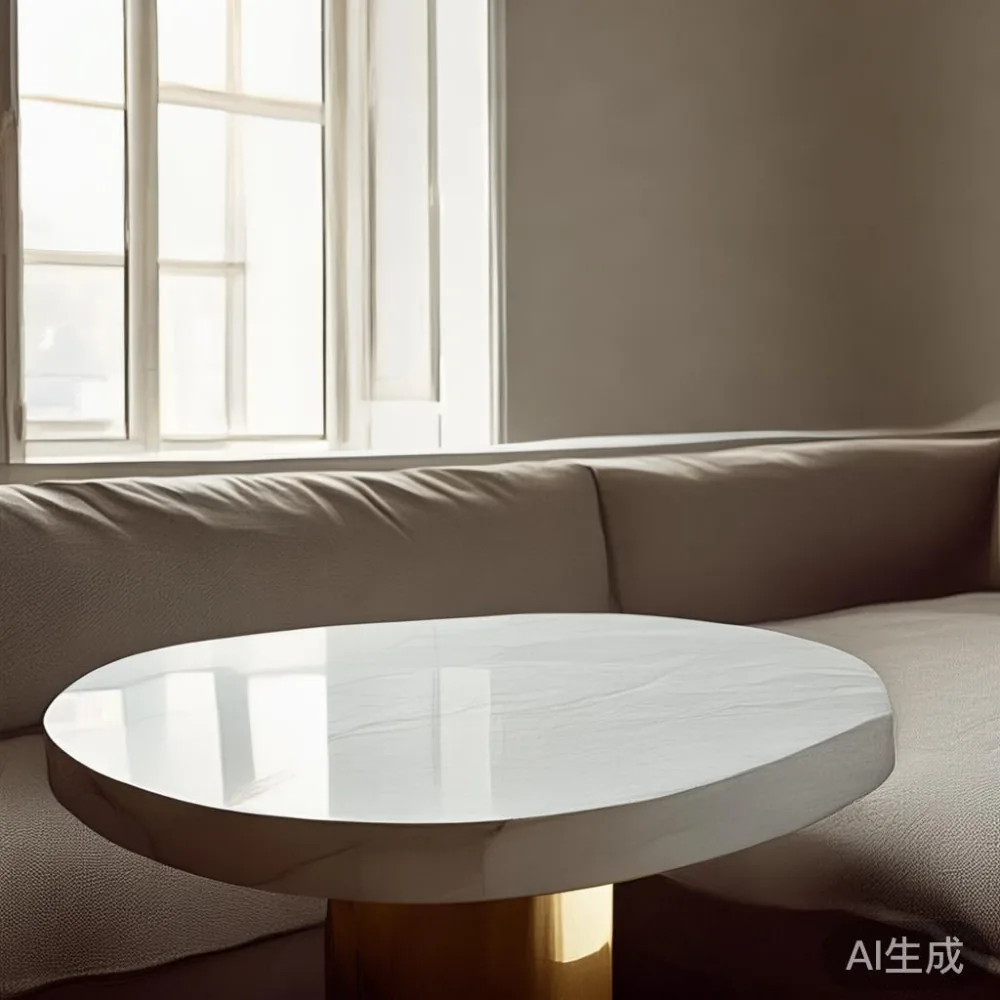
Singapore makes scale particularly important. Standard lift doors, common HDB corridors, and compact dining zones reward furniture that can be ordered, carried, and positioned with fewer centimetres to spare. Budget for delivery rather than discovering that a wardrobe will not turn through a landing, and include GST in each comparison. MIDHILL furniture is made for these practical decisions, with solid wood construction, a 10-year structural warranty, lifetime refinishing, and delivery across Singapore.
How can I make a small apartment feel less crowded?
Begin with sightlines, not a shopping list. Stand inside the entrance and identify the main visual path: usually from the door to the living area and then toward the kitchen. Keep furniture below 85 cm in that zone where possible, while a slim console, low solid wood sofa, or narrow nightstand can hold daily objects without interrupting the room.
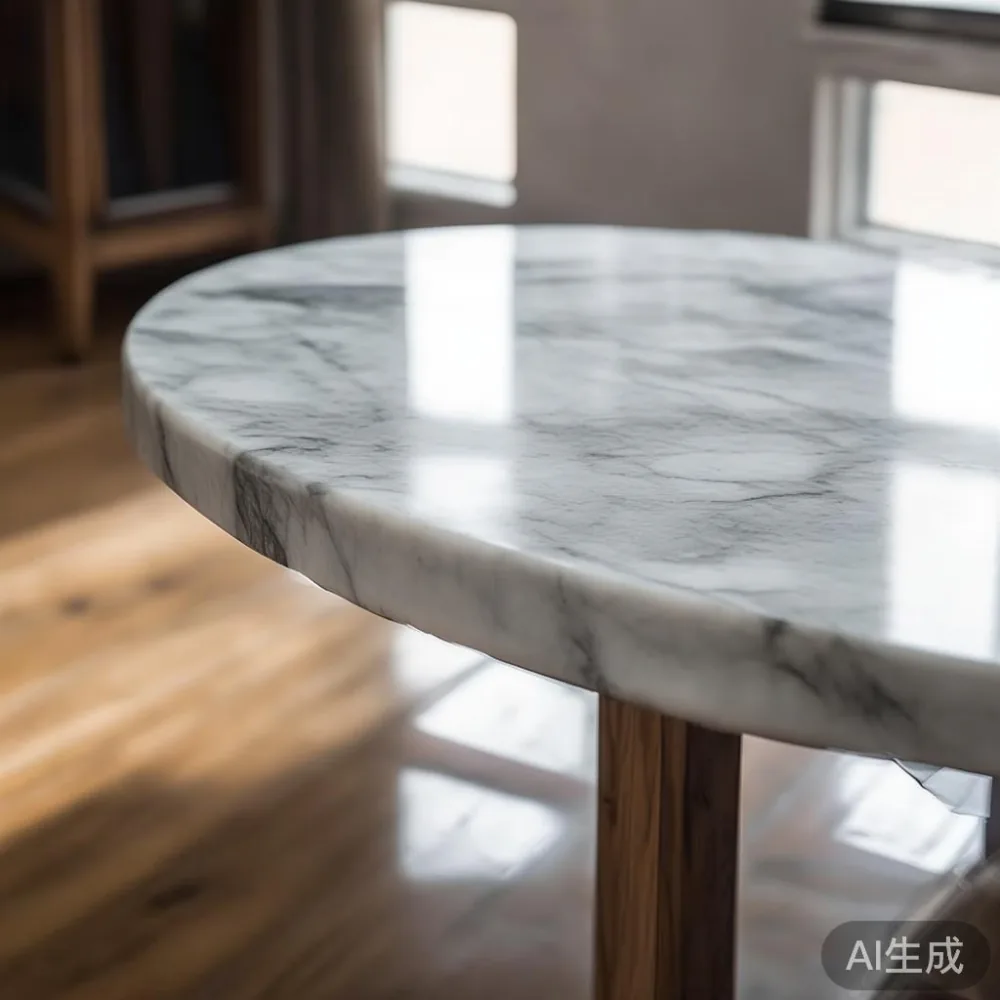
Choose one dominant finish and two supporting colours. For example, pair a warm oak solid wood bed frame with cream walls, a charcoal rug, and a white marble table. The marble top should be used on one focal surface—coffee table, dining table, or nightstand—not repeated across five pieces. Repetition can look tidy, but visual variety adds clutter quickly.
Measure before ordering, then measure again with delivery access in mind. For HDB flats, record the lift door width, internal lift dimensions, corridor turns, and the distance from the lift lobby to your front door. Allow at least 10 cm of working space around a dining table, 60 cm for a main circulation route, and 75–90 cm in front of wardrobe doors when they open. These figures are more useful than an aspirational floor plan.
Which marble top works in a compact Singapore flat?
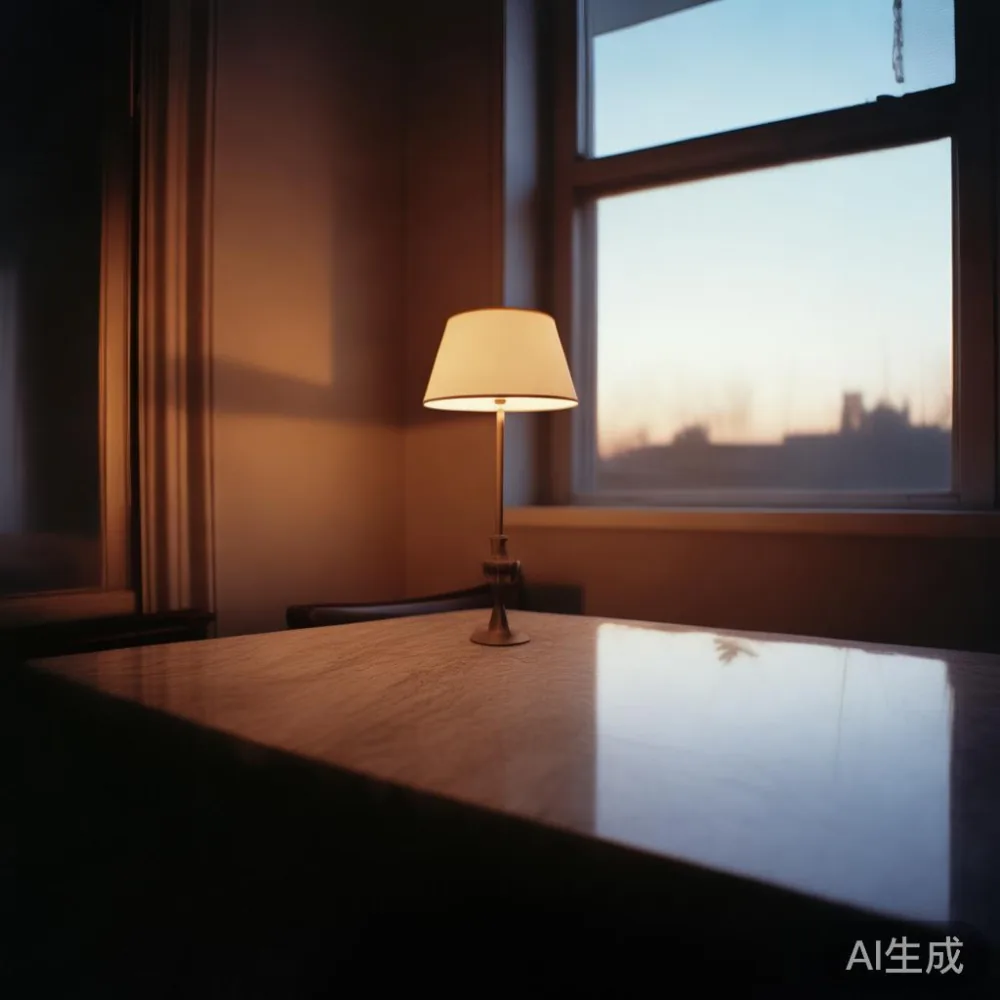
Light stone can brighten a room, but very glossy white marble may show fingerprints and cleaning marks under bright light. Warm-white or pale-grey marble with restrained veining often feels calmer. Check the slab dimensions, base support, edge profile, and total weight because a stone surface is far heavier than the timber beneath it. A 100 × 55 cm marble table may weigh roughly 35–55 kg, depending on thickness and density.
For a living room, a 90 × 50 cm marble top coffee table leaves useful space around a 160–180 cm solid wood sofa. Choose rounded corners if the main route passes close by, since they soften movement through a narrow area. For dining, a 120 × 70 cm table comfortably seats four in many apartments; a 140 × 80 cm model suits six, provided at least 60 cm remains between a seated chair and the nearest wall or another table.
Do not assume marble must sit on a heavy pedestal. A slim powder-coated steel frame or tapered solid wood base can create the same refined impression with a lighter visual footprint. The product listing should state whether the marble is natural or engineered, the thickness, the load rating, and whether the top separates from the base. This information also matters for transport through Singapore corridors and lift lobbies.
What should I buy first: a sofa, dining table, or storage?
Buy the largest daily-use item first, after measuring the room. In most HDB layouts, the solid wood sofa and dining table establish circulation more than decorative pieces. A 170–190 cm sofa suits a compact living room, but a 200 cm model can still work if its depth is no more than 90–95 cm and the opposite wall is at least 300 cm away.
Storage should follow the measurements around doors and windows. A freestanding wardrobe may look orderly but project 55–65 cm into a bedroom. A sliding-door alternative can reduce the operating clearance to around 8–10 cm, though wall and floor alignment must be checked. Hanging rails placed at staggered heights can improve capacity without adding another cabinet.
Dining furniture needs a precise footprint. A round 110 cm marble table can seat four and create easier movement in a square zone than a 140 cm rectangular model. Yet a rectangular table may use a narrow room more efficiently. Test chairs physically: a compact apartment dining chair may need only 42–48 cm of width, and the table should offer 55–60 cm of edge space per person.
One practical rule is to complete the sofa, table, bed frame, wardrobe, and nightstand before adding lamps or trays. These larger pieces form the room’s structure. Small accessories can be returned or replaced easily; poorly scaled structural furniture cannot.
How do French and American light-luxury styles differ?
French light luxury tends to emphasize curved profiles, pale upholstery, refined timber, and decorative restraint. It feels formal but remains approachable when proportions are softened. American light luxury often relies on symmetrical seating, deeper profiles, neutral fabrics, and a slightly more architectural mood. Both styles can work in Singapore, provided the pieces are reduced to suitable dimensions rather than reproducing a large showroom arrangement.
Modern French provincial furniture can bring warmth through a solid wood bed frame with shaped details, a cream upholstered seat, and a nightstand with a marble top. Keep the carving shallow and the palette close: warm white, light oak, muted beige, and one cool accent. For an American approach, use straight lines, tailored cushions, and matched side tables. French styling is usually softer; American styling is generally crisper, but neither requires a large room.
Post-modern light luxury is useful when mixing periods. A contemporary marble table can sit beside a solid wood bed frame with traditional joinery, while clean-lined lighting prevents the combination from looking themed. Keep at least one common visual quality across pieces—tone, proportion, edge treatment, or metal finish—so the room reads as intentional.
If you are comparing products, search phrases such as for sale American furniture or European light luxury for guest room can help establish the style vocabulary. The wording is only a starting point; dimensions, materials, and delivery details should decide whether a piece fits your flat.
What sizes keep a HDB living and dining area comfortable?
For a typical 320 × 360 cm living area, a 175 cm sofa leaves 72.5 cm on each side before other furniture is added. That is enough for narrow side tables, but not for a deep armchair with a 60 cm route behind it. In a 280 cm wide room, a 160–170 cm sofa is usually more practical. Push it slightly toward the longest wall rather than centring it if that preserves a straight route to the balcony.
The coffee table should sit 35–45 cm above the sofa seat and extend roughly half the sofa length. A 80–100 cm marble table often works with a 170 cm sofa. Leave 30–40 cm between sofa and table for walking and tray placement. If the gap must shrink below 30 cm, choose a table with a recessed base or rounded edge to protect knees and improve access.
Dining zones need more generous clearance than product photos suggest. Around a 120 × 70 cm table, allow 75–90 cm from the table edge to a wall where a chair must be pulled out. In a kitchen open to the living room, ensure nobody has to move a dining chair to pass behind a seated diner. A 110 cm round table can require less rear clearance while still serving four.
Corridor widths deserve equal attention. Keep loose furniture at least 60 cm from the main route if doors open into that space, and 90 cm if a person must turn around a table while carrying a tray. These checks are especially relevant in older Tampines blocks and Punggol homes where the route from lift to unit may include several turns.
Can a solid wood bed frame make a small bedroom look bigger?
Yes, if the frame has a low profile and the bedding stays visually simple. A queen bed measuring 152 × 190 cm needs roughly 55–65 cm on each side for bedside access in an average bedroom. A king bed at 180 × 200 cm may reduce that to 45–55 cm, which is workable but tight for two people and a nightstand on both sides.
Choose a frame with a slim headboard, especially if the bed faces a wall or a narrow window. A solid wood construction can provide visual warmth without the reflective glare of high-gloss lacquer. Keep the headboard under 100–110 cm tall in low-ceiling rooms, and avoid a thick footboard that projects into the circulation path.
When comparing a light luxury bed vs Japandi bed, consider the visual weight rather than the label alone. Light luxury may use rounded headboard corners, upholstered surfaces, and warmer detailing; Japandi usually presents plain timber, low forms, and minimal ornament. The first can fit a French-inspired room, while the second may suit a calmer Asian-modern scheme. Both benefit from a tidy bedside zone.
One nightstand may be enough. A 35–45 cm wide model can hold a phone, glass, book, and lamp while leaving a clear path. If two are needed, choose shallow versions no deeper than 35 cm. Their marble tops can echo the living room, but matching stone is optional; repeating the same edge profile or timber tone may create a more convincing connection.
How should I plan delivery, GST, and assembly in Singapore?
Delivery planning prevents the last few centimetres from becoming the biggest problem. Measure the lift door, corridor width, ceiling height, and turning radius. Include the packaging dimensions, not only the furniture dimensions. A compact wardrobe packed for transport may require the lift to be empty, doors removed, or the carton angled through the opening. Ask the supplier for a clear delivery plan rather than assuming standard courier handling.
MIDHILL offers free shipping for orders over US$350, equivalent to approximately SGD 470 before bank or card conversion rates. For Singapore orders, confirm the final SGD amount, GST treatment, and delivery quotation at checkout. Local prices should be shown in SGD so that the comparison remains straightforward.
Production and delivery commonly take several days to a few weeks depending on the item and finish. Allow 7–14 days for many ready-made pieces, but request a firm lead time for custom wardrobes or made-to-order marble tables. Add 2–3 days for access coordination, particularly in condo complexes with booking procedures or in HDB blocks managed by security staff.
Check the 14-day returns policy before ordering, and retain the packaging if the item may need inspection. The 10-year structural warranty gives long-term reassurance for a solid wood sofa, bed frame, dining table, wardrobe, or nightstand, while lifetime refinishing helps maintain the timber finish. Marble, however, is not timber; confirm the separate stone care and damage terms in writing.
Assembly also affects crowding. Choose legs that allow a small trolley beneath the sofa, removable wardrobe sections for tight lifts, and dining tables that can be assembled in the room rather than carried in one large piece. If your flat has a very narrow corridor, hire a mover for one difficult item rather than risking the wall, door frame, and furniture simultaneously.
How can I create a light-luxury look without adding more pieces?
Use contrast in texture. A pale marble table, warm solid wood, cream upholstery, and matte black lamp bases can make a compact room feel layered without adding furniture. A 160 × 230 cm rug defines the seating area and visually gathers the sofa, table, and chairs. If the floor is already patterned, choose a quieter rug instead of introducing another graphic element.
Lighting should provide three levels: ambient, task, and accent. A 1,400–1,800-lumen ceiling fixture can brighten a small room, while a 400–700-lumen bedside lamp supports reading. Keep table lamps between 35 and 50 cm wide so they do not dominate a nightstand. Warm-neutral light around 2,700–3,000K often makes wood and marble appear more welcoming than a cool blue-white tone.
Window treatment matters as much as colour. Full-height curtains can visually extend a room, but they must hang clear of a wardrobe or radiator. A single curtain panel may look unbalanced; tensioned roller shades keep the footprint compact. Keep the sofa’s back about 15–25 cm below the window opening so daylight remains visible.
Decorative restraint gives a small flat more breathing space. Display fewer objects, but use larger, coordinated pieces. A 20–25 cm vase, a stack of 3 books, and one tray can fill a console without creating a crowded surface. Leave at least one-third of the marble top clear; the stone pattern is already a visual feature and does not need supporting clutter.
Last month I visited a friend’s two-room Bedok flat after she replaced a bulky low cabinet with a 180 cm solid wood sofa and a 90 cm marble top coffee table. The table looked substantial because of the stone surface, yet the pale base blended with the floor. She kept the original rug and added one narrow nightstand instead of a pair. The living room gained useful circulation, and the room felt calmer even though the total furniture count did not change much.
A small apartment feels spacious when every item earns its footprint. Measure the route from lift to door, choose furniture that fits daily use, and let one marble top provide a refined focal point. Solid wood adds warmth; disciplined scale prevents clutter; and careful delivery planning protects the result long after delivery day.