Singapore Home Veneer vs. Solid Wood Cost-Effectiveness Guide
Choosing furniture for a Singapore home is rarely a question of appearance alone. A dining table must fit through the lift lobby, a bed frame must turn at the HDB corridor, and a wardrobe must make efficient use of a compact bedroom. Price matters too, but the lower purchase price can be misleading once cleaning, repairs, replacement parts and early replacement are counted across 5 years.
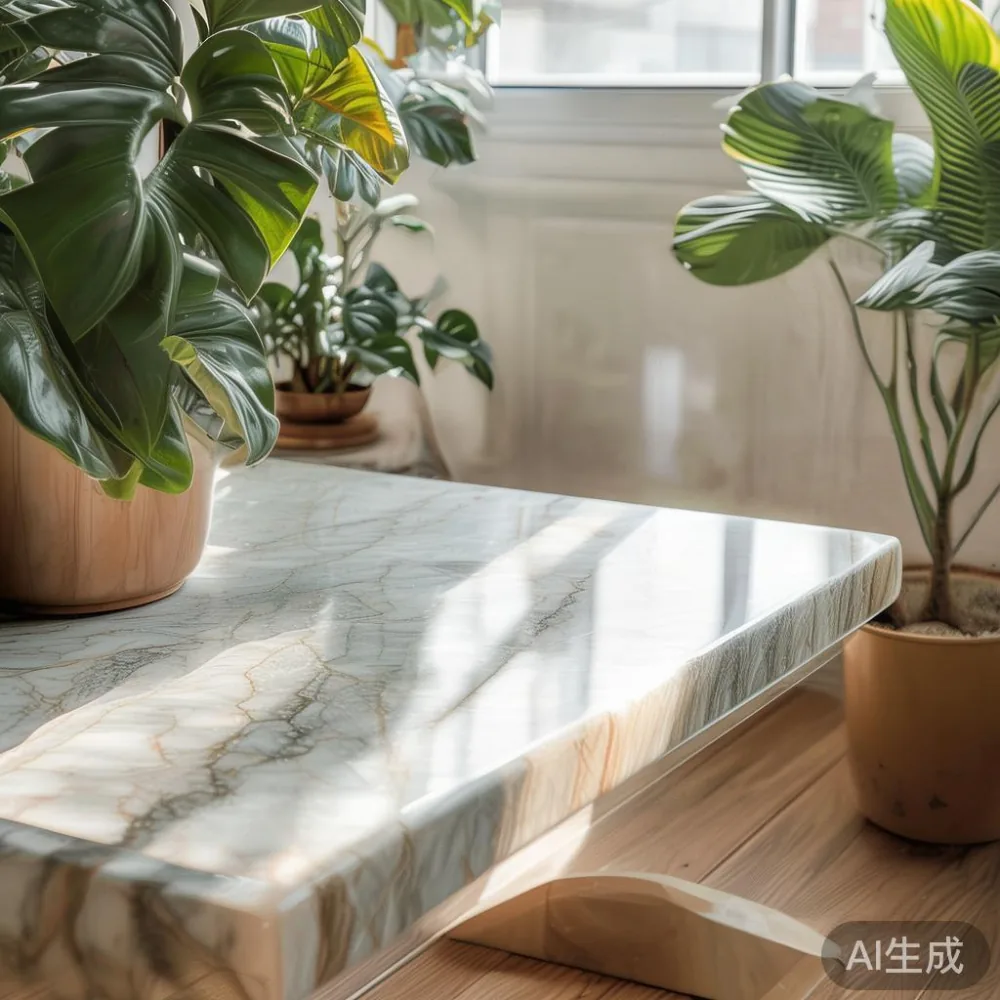
This comparison evaluates veneered and solid wood furniture using realistic Singapore costs. It includes prices in SGD, typical product weights, delivery timing to Tampines, Bedok and Punggol, and the practical differences that affect long-term ownership. It also considers marble-top furniture, where the timber structure supports a natural stone surface rather than competing with it.
MIDHILL manufactures solid wood furniture with a 10-year structural warranty and lifetime refinishing. Established in 2008 and exporting to more than 15 countries, the company serves customers who want durable furniture without losing the visual language of contemporary interiors. The figures below are planning estimates rather than universal sale prices; actual costs vary with dimensions, timber species, hardware and finish.
What does a 5-year furniture cost comparison actually include?
The calculation starts with the delivered purchase price, including a reasonable GST-inclusive allowance where relevant. It then adds maintenance, repair, replacement and disposal costs. The method deliberately avoids treating residual value as cash in hand. A well-designed solid wood table may retain more functional value than a veneer table, yet that benefit should appear as lower replacement risk rather than an assumed resale profit.
For each category, the figures use a comparable service life. Veneer is given a 5-year planning horizon, while solid wood is also assessed over 5 years because many households replace dining and bedroom furniture earlier than the furniture's physical limit. This makes the comparison relevant whether the pieces stay for 5 years or are resold after 5 years.
Maintenance assumptions include oiling or polishing 2 times per year at SGD 25 per service for solid wood, while veneer receives gentle cleaning with an occasional SGD 60 repair allowance. Hardware replacement is estimated at SGD 40 for one drawer runner and SGD 25 for one cabinet hinge. Delivery is based on normal Singapore lead times of 7–14 days, with lift and corridor access checked before dispatch.
How much do veneer and solid wood dining tables cost in Singapore?
A medium-size veneer dining table for 6 people often costs SGD 900–2,200. A comparable solid wood dining table usually costs SGD 1,800–4,200, depending on the species, thickness and joinery. A 180 × 90 cm solid oak-style dining table may weigh 65–90 kg. A similarly sized veneer table may weigh 35–55 kg. The difference affects lift limits, but both sizes can usually pass through a standard HDB lift if the lift car is at least 107 cm wide and the packaged table is no more than about 210 cm long.
For the worked example, the veneer dining table is SGD 1,500 and the solid wood dining table is SGD 2,600. Maintenance over 5 years is estimated at SGD 300 for veneer and SGD 250 for solid wood. One edge repair is allowed at SGD 120 for veneer and SGD 80 for solid wood. The estimated 5-year totals are therefore SGD 1,920 for veneer and SGD 2,930 for solid wood. Solid wood costs SGD 1,010 more over this period, or about SGD 202 per year.
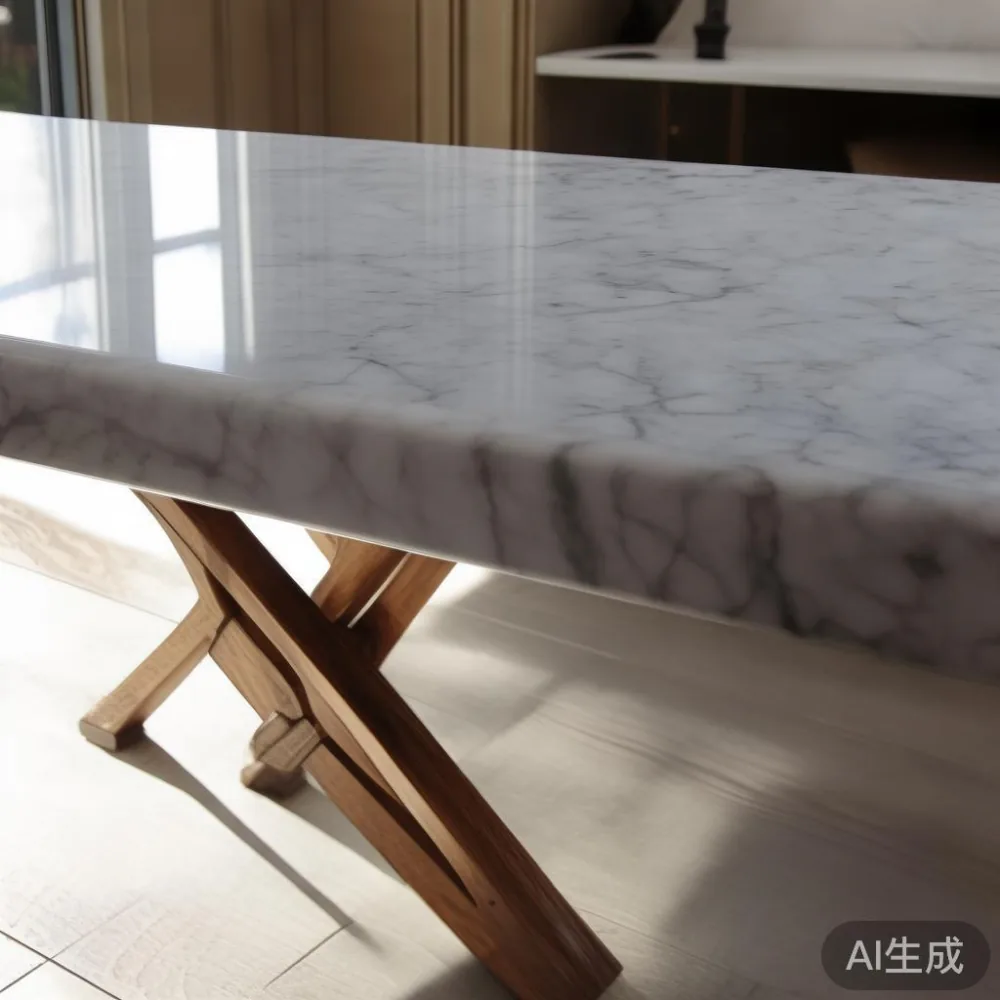
That extra amount is not simply a premium for a heavier object. It buys thicker repairable material, better structural continuity and a surface that can be refinished rather than replaced. A marble-top dining table follows a similar ownership logic: the marble surface costs more and is sensitive to impact, but the solid wood base can remain useful for decades if its joints and finish are maintained.
Which material costs less for a wardrobe over 5 years?
A 150 cm-wide veneer wardrobe for an HDB bedroom may cost SGD 1,200–2,600. A comparable solid wood wardrobe generally ranges from SGD 2,800–5,800. A 180 × 58 × 210 cm unit may weigh 90–140 kg when solid wood is used, compared with 50–85 kg for a veneered carcass. This size is common in Singapore condos, where a bedroom may measure only 10–14 square metres and the wardrobe needs to align with the door or bay window.
For the calculation, a veneer wardrobe costs SGD 1,900 and a solid wood wardrobe costs SGD 3,700. Five-year maintenance is SGD 350 for veneer and SGD 300 for solid wood. One replacement sheet, hinge set and handle allowance totals SGD 180 for veneer and SGD 100 for solid wood. The resulting totals are SGD 2,430 for veneer and SGD 4,100 for solid wood. The solid wood option adds SGD 1,670, equivalent to SGD 334 per year.
Space planning can change this result. A shallow 45 cm-deep solid wood wardrobe may need less surrounding clearance than a wider 60 cm unit, but the saving in usable room space may be worth more than the material difference over several years. For renters, the material rarely reduces the deposit or move-in cost; for owners, durability can reduce the chance of replacing an entire fitted unit after 5 years.
Anyone considering how to style European wardrobe in apartment layouts should measure the wardrobe's projection, skirting clearance and door swing before ordering. A European light-luxury look can work in 12 square metres with light oak tones, 2 slim vertical handles and a mirrored panel, provided the cabinet is visually divided rather than made to look larger.
How do bed frames and nightstands compare over 5 years?
A queen veneer bed frame typically costs SGD 700–1,800, while a solid wood queen bed frame costs SGD 1,500–3,600. A 160 × 200 cm solid wood bed may weigh 55–90 kg. The mattress sits at about 50 cm above the floor, making under-bed storage possible, but the frame should be checked against the HDB corridor width. Padded or boxed delivery can reduce turning clearance, while an assembled narrow bed may be easier to carry through a 90–110 cm doorway.
The example uses SGD 1,100 for a veneer bed frame and SGD 2,200 for a solid wood bed frame. Veneer receives SGD 200 in maintenance and SGD 90 for a joint or slat repair. Solid wood receives SGD 180 in maintenance and SGD 60 for a sanding-and-repair allowance. Their 5-year totals are SGD 1,390 and SGD 2,440, a difference of SGD 1,050 or SGD 210 per year.
A matching veneer nightstand may cost SGD 180–450, compared with SGD 450–1,100 in solid wood. Over 5 years, a used veneer nightstand might need one drawer repair of SGD 35. A solid wood nightstand may need SGD 20 in surface care. The ownership difference is modest, but stable joinery and repairable drawer bottoms are valuable when the piece is moved between a Tampines HDB flat and a Punggol condo.
For compact rooms, the question of how to style Japandi bed in room layouts is more practical than following a strict visual formula. A low-profile solid wood bed, 24–30 cm from floor to mattress support, can reduce visual weight. Pale timber, one linen throw and a warm 2700K reading lamp create calmness without crowding a 3.0 × 3.6 metre bedroom.
Do marble-top tables justify the higher material cost?
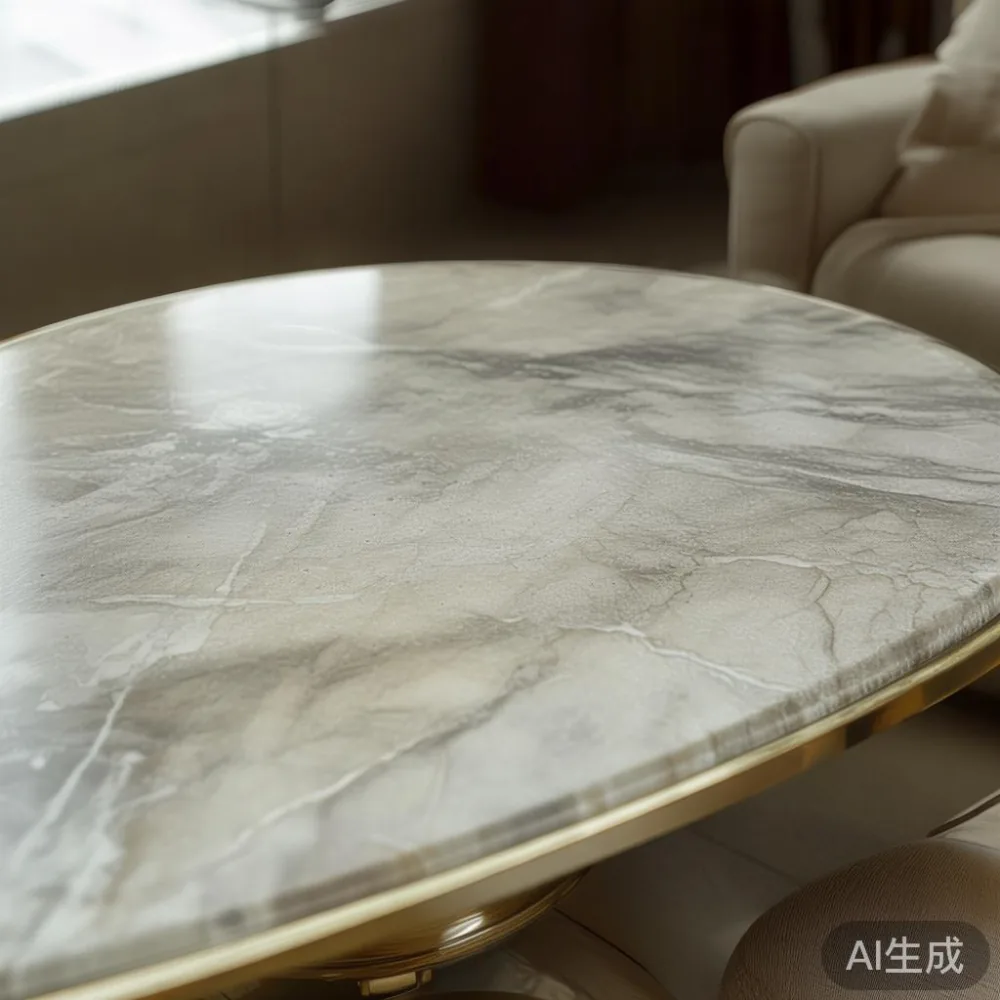
Marble-top tables occupy a middle category because the surface behaves differently from veneer or timber. A 100 × 55 cm marble-top console may cost SGD 700–1,500, while a solid wood console of similar size costs SGD 450–1,100. Marble adds visual coldness and a substantial top weight: a 20 mm slab can add roughly 25–35 kg to a 100 cm table.
Delivery planning must account for that weight and for the risk of edge chipping. MIDHILL's delivery team should confirm the lift car dimensions, doorway width and turning space. A common HDB lift measures about 107 cm wide by 198 cm deep, while corridor sections can be only 90–120 cm wide. A marble-top table longer than 200 cm may need to enter diagonally or be manufactured in 2 sections.
The 5-year ownership comparison can still include the marble top while focusing on the base. Suppose a veneered console costs SGD 850, with SGD 100 for maintenance and SGD 70 for repair. A solid wood console beneath the same marble top costs SGD 1,250, with SGD 90 for maintenance and SGD 40 for repair. The totals are SGD 1,020 and SGD 1,380. The difference is SGD 360 over 5 years, or SGD 72 per year. In this case, the marble surface remains the defining finish, while the base determines repairability and long-term stability.
For a Modern light luxury TV console, a marble top can establish a restrained focal point. Keep the composition shallow, use 2 drawers instead of 5, and allow at least 15 cm of clear space around the screen. European light luxury often relies on proportion and pale materials, while American light luxury favours deeper tones and symmetrical storage. Post-modern light luxury can mix one marble plane with rounded timber edges, provided the room does not become visually busy.
How much does a sofa cost to own for 5 years?
Sofa comparisons need clearer boundaries because upholstery construction can matter as much as the visible timber frame. A veneered-frame sofa may cost SGD 1,500–3,500, while a solid wood sofa with quality upholstery may cost SGD 3,000–7,500. A 220 cm three-seat sofa can weigh 75–120 kg and should arrive in 2–4 protected sections. Delivering it into a condo corridor of 105 cm usually requires checking the lift opening, service route and turning radius.
The worked example uses SGD 2,400 for a veneer-frame sofa and SGD 4,200 for a solid wood sofa. Over 5 years, veneer is assigned SGD 450 for frame or suspension work and SGD 120 for upholstery repairs. Solid wood is assigned SGD 350 for structural maintenance and SGD 160 for localized upholstery repairs. Totals are SGD 2,970 and SGD 4,710. The difference is SGD 1,740, or SGD 348 per year.
Homeowners researching how to style American sofa in bedroom arrangements should avoid oversized proportions. A 190–210 cm sofa works better than a 240 cm model in many HDB living rooms, while a low-backed design maintains a clear route from the flat entrance to the kitchen. One can also compare how to choose European light luxury sofa by checking the frame, seat depth and removable covers rather than relying on a style label.
At MIDHILL, a solid wood sofa should be assessed by its frame geometry, joints, suspension and finish, not by weight alone. A real customer service experience helps: last month I visited my colleague's Bedok HDB flat and watched a 205 cm three-seat sofa pass a 107 cm lift lobby after one protected corner was removed. The delivery crew measured the route first, protected the corridor with 3 mm floor runners and completed the move in about 25 minutes. That preparation prevented damage and saved a replacement fee of roughly SGD 180.
What should a Singapore buyer compare before choosing?
The first check is total delivered cost, not showroom price. Singapore GST is 9%, so a displayed SGD 2,600 before tax becomes about SGD 2,834 after GST when GST applies. MIDHILL offers free shipping for orders over US$350, but the destination cost, lift surcharge and curbside delivery should still be confirmed. Delivery normally takes 7–14 days; made-to-order furniture may take 30–45 days.
The second check is physical fit. Record the narrowest lift door, corridor width, stair landing and final door opening. For HDB flats in Tampines, Bedok and Punggol, older blocks and newer blocks can have different access arrangements within the same estate. A useful rule is to leave at least 5 cm of maneuvering clearance wherever possible, and to photograph the route before dispatch.
The third check is repairability. Ask whether edges can be sanded, drawer runners can be replaced, doors can be rehung and the finish can be renewed. Veneer can be excellent when the core, edges and printing are well made; the material label alone does not reveal the build quality. Solid wood is easier to restore locally, but tropical movement, humidity and unsupported joints still require care.
The fourth check is use intensity. A dining table used 3 times per week has a different profile from a coffee table touched daily. Spend more on the piece receiving the heaviest load, especially a dining table or bed frame. Choose a durable, replaceable finish for a nightstand and allocate the remaining budget to the marble top if its visual impact matters most.
Is solid wood more economical over 5 years?
In the worked examples, veneer has the lower 5-year cost in every main category. A 6-seat dining table is SGD 1,920 versus SGD 2,930; a wardrobe is SGD 2,430 versus SGD 4,100; a queen bed frame is SGD 1,390 versus SGD 2,440; and a sofa is SGD 2,970 versus SGD 4,710. Solid wood becomes more economical only if the veneered item is likely to need early replacement or cannot be repaired to an acceptable standard.
For a household keeping each item beyond 5 years, a future replacement can reverse the result. If a SGD 1,500 veneer dining table is replaced in year 5 at the same price, including inflation and delivery, the effective 5-year outflow approaches SGD 3,420. That is above the solid wood example's SGD 2,930. The calculation is sensible only when replacement is genuinely probable; replacing durable furniture merely for a new finish rarely creates value.
Light-luxury buyers often examine the best Boho wardrobe for 2026 design ideas, but a fashionable panel cannot compensate for poor clearance or weak hinges. For French light luxury, use pale solid wood, curved edges and fewer doors. For post-modern light luxury, combine a marble top with a solid wood body and restrained hardware. The visual direction should support the room, while the 5-year calculation should support the purchase.
MIDHILL's 10-year structural warranty and lifetime refinishing service reduce uncertainty around long-term care, while 14-day returns allow buyers to assess dimensions and finish at home. A sensible decision is to buy solid wood where the piece is structurally important or expected to remain beyond 5 years. Veneer remains appropriate where the budget is limited, the item is low-stress, and replacement is acceptable. Measure the route, calculate the real delivered price, and treat both materials as parts of a long-term floor plan rather than a quick retail transaction.