Understanding Furniture Warranties: A Comprehensive Guide
Warranties are often reduced to a bold headline: 10 years, 10-year structural warranty, lifetime refinishing. Those numbers sound reassuring, but a furniture warranty is a contract, and the small print determines what happens when a drawer runner bends, a marble top chips, or a bed frame starts to move after 18 months. For Singapore homeowners furnishing an HDB flat or condo in Tampines, Bedok, or Punggol, the practical question is not simply, “Is this covered?” It is “Covered under what conditions, repaired how, and at whose cost?”
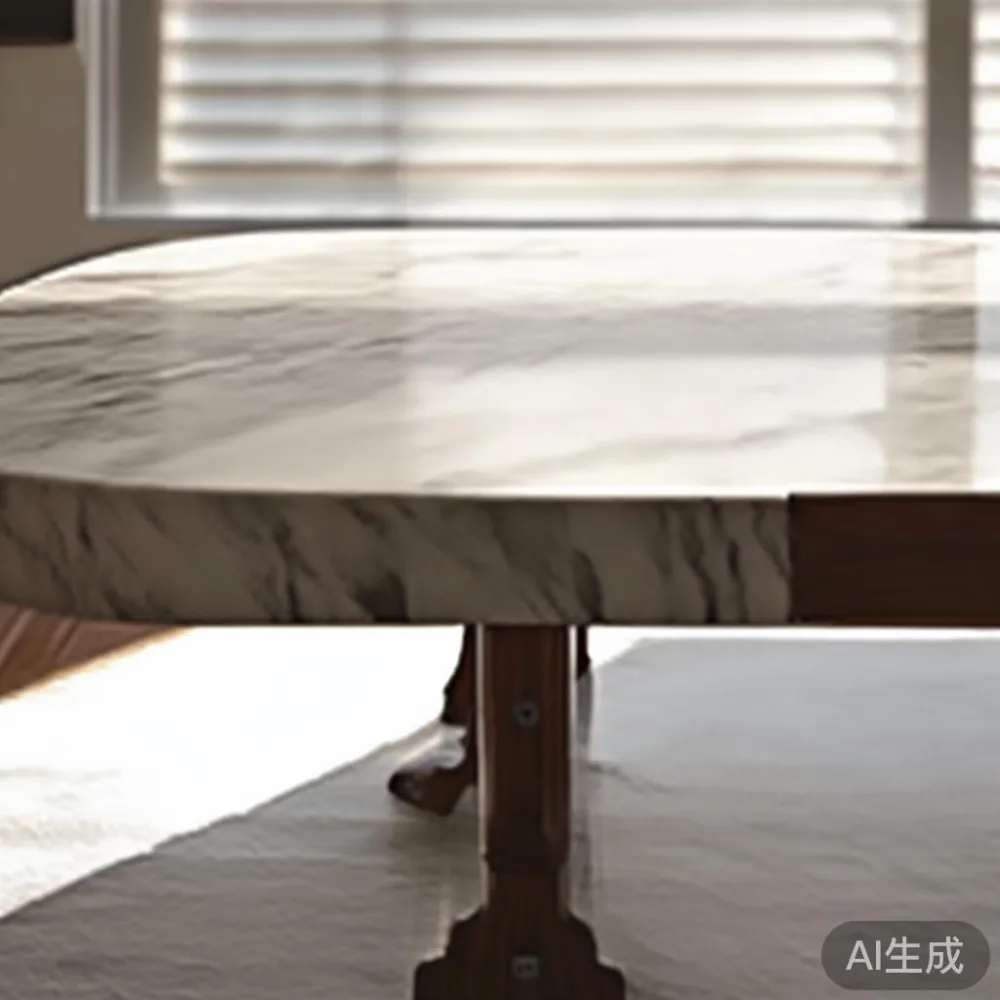
This guide explains how to read a furniture warranty line by line, with particular attention to solid wood, marble top, and upholstered products. The examples use Singapore dollars, measurements in centimetres, and delivery periods in days. They are designed to help you compare terms fairly, not to substitute for the written policy supplied with a specific order.
What does a 10-year structural warranty actually mean?
A 10-year structural warranty usually covers defects in the load-bearing frame under normal use. For a solid wood sofa, that may include the main timber frame or structural joints. For a bed frame, it may cover the headboard, side rails, and support structure, but not every screw, bracket, or mechanism. For a dining table, the definition might distinguish between a cracked structural component and a surface finish that has worn from heat, water, or daily use.

The important details are the starting point, the covered components, and the exclusions. A policy may begin on the purchase date, delivery date, or date of manufacture. That difference matters if a table is held in a warehouse for 45 days before delivery. Ask whether the warranty transfers with the property or ends when the original buyer moves it. In a condo, resale can occur within the warranty period, so transferability is worth confirming in writing.
MIDHILL describes a 10-year structural warranty for its solid wood furniture. That is a useful baseline, but you should still request the policy that applies to the exact bed frame, dining table, wardrobe, or nightstand. A 10-year term does not mean every part is warranted for 10 years. Hardware, moving parts, finishes, cushions, and marble can have different terms, often ranging from 1 year to 5 years or remaining subject to separate care rules.

“Normal use” also needs context. A 180 cm dining table rated for regular family meals is not being used normally if six adults repeatedly stand on its rails. A 2 cm-thick marble top is not expected to survive a 70 kg mallet dropped onto its edge. A wardrobe in a humid HDB unit needs sensible ventilation; persistent dampness or direct water leakage may be treated as environmental damage rather than a manufacturing defect.
What is covered for wood, marble, fabric, and mechanisms?
Start by separating the product into components. A solid wood sofa may contain a timber frame, springs or webbing, foam, fibre wrapping, fabric, cushions, and perhaps a solid wood bed frame has screws, dowels, and a slat system. A wardrobe may include carcass panels, doors, hinges, runners, handles, and an optional mirror. A marble table combines stone, a support structure, adhesives or fixing points, and protective treatment. A dining table may use solid wood or a marble top, so the same model name can have different warranty terms depending on the selected material.
Look for specific words such as “manufacturing defect,” “material flaw,” “workmanship,” and “structural failure.” Then read the exclusions beside them. Common exclusions include ordinary wear, accidental damage, insect damage, water exposure, direct sunlight, use of unsuitable cleaning chemicals, commercial use, and unauthorised repairs. These exclusions are not automatically unfair. A 2 cm marble top can be damaged by a dropped kitchen knife, while a timber dining table can be marked by hot pans. The policy should distinguish foreseeable misuse from a defect present at delivery.
Pay close attention to finish wording. “Lifetime refinishing” may mean a service is offered once, at a stated price, rather than a free restoration every year for 10 years. It may also apply only to solid wood items and exclude stone, fabric, lacquer, or electroplated hardware. Ask whether refinishing is free, who pays transport, and whether the service is available internationally. If you live in a Bedok HDB flat, arranging collection from a lift lobby could still incur a charge of S$40 to S$120 or more, depending on size and access.
Does a marble top warranty cover chips, cracks, and colour variation?
A marble top is natural stone, and a responsible policy should not promise a perfectly uniform appearance. Veining, cloudy patches, small pinholes, and colour shifts can be inherent characteristics. Document these at delivery with clear photographs, a 30-second video, and written acknowledgement on the delivery record. Measure the top as well: check length, width, thickness, and diagonal alignment. For example, a 200 cm × 100 cm marble top should fit its stated dimensions within a stated tolerance; ask what that tolerance is rather than assuming “exact” means zero variation.
Chipped edges, cracks, and separation from the base are more serious than natural veining. A policy may classify an edge chip as accidental damage, while a crack caused by an internal weakness or improper support may qualify as a material defect. Keep the installation instructions. A 180 cm marble table may require a specified support method, even when the base appears stable. Adhesive, silicone, or levelling methods should follow the maker’s instructions because a DIY installation can affect responsibility for later failure.
Ask whether the marble top warranty includes removal, transport, reinstallation, and replacement stone. Replacement is not always straightforward: natural batches can vary in tone, so a later slab may not match the original 140 cm nightstand top. Some suppliers offer repair rather than replacement, or credit based on the original invoice value after deductions for wear and depreciation.
For Singapore conditions, include questions about moisture and temperature changes. A HDB unit near a coastal area can experience humidity, and a condo with strong afternoon sun can create heat gradients across a 2.5 cm dining table top. Solid wood expands and contracts; marble can respond differently. A good warranty should describe acceptable environmental conditions or point to a care guide.
Is the warranty free, and what will it cost when something goes wrong?
The word “warranty” does not automatically mean “free replacement.” A claim may be handled through repair, replacement, refund, or store credit. Some policies charge a deductible; others cover labour but not collection or return freight. Singapore’s GST treatment also deserves clarity. If a repair is part of the original sale price, it may not add new GST. If a replacement is treated as a separate sale, 9% GST may be charged. Ask for the basis in writing and compare it with the cost of refusing the claim.
Make a claims-cost table before ordering. For a S$2,480 dining table, record the S$2,480 invoice price, a S$45 diagnostic fee if any, a S$90 return transport fee, and the expected 21 to 30 days for assessment and repair. A 10-year warranty may still be poor value if each claim costs S$300 in logistics. For a S$780 nightstand, the numbers look different, which is why claim economics should be considered alongside coverage duration.
Also check the service timeline. “Within 30 days” is more useful than “as soon as possible,” but it may only be the period for notifying the supplier, not for completing the repair. Distinguish four clocks: the notice period, evidence-submission period, assessment period, and completion period. A fair policy might allow 7 days to report visible damage, 14 days to submit photographs and the invoice, 14 days for assessment, and 21 to 30 days for a decision.
Ask if serial numbers are required. MIDHILL products may be identified through an order number, item code, or accompanying documentation. Photograph the labels and keep the digital invoice in at least 2 places. If you rely on the company’s website, include midhill.co in your saved records alongside your order confirmation.
How should I check delivery, installation, and damage claims?
Delivery is part of the warranty process because damage can happen before a product reaches your home. A common Singapore constraint is the building’s lift and corridor. A 210 cm dining table may fit a standard 1.1 m wide lift diagonally but not through a 90 cm doorway when boxed. Before dispatch, compare the package dimensions with the lift car, lobby turning radius, and staircase width. For a 220 cm wardrobe, the relevant questions are whether it is flat-packed, how many cartons are used, and whether the cartons can be carried by 2 people without scraping the corridor.
At delivery, inspect all accessible surfaces before the crew leaves. A marble table needs an edge and corner check under adequate light. A solid wood sofa needs inspection of the frame access panels, cushions, seams, and legs. A bed frame needs checks at the joints, slat support, centre rail, and headboard fixings. A wardrobe needs alignment tests on every door and runner. A nightstand can conceal drawer rubbers and cable openings, so open and close each drawer 3 times.
Record the condition in the delivery note. “No visible damage” is not the same as “accepted in good condition.” If a 4 cm chip is already present, note “marble top chipped at front-right corner, approximately 4 cm.” Photograph it with a ruler, retain the packaging, and request a copy of the signed delivery sheet. Most policies set a short reporting window for concealed defects, often 7 to 30 days, but a visible impact should be reported immediately.
Installation can affect coverage. Follow the specified assembly instructions, use all supplied fixings, and avoid placing a heavy wardrobe unanchored where children can climb it. For tall storage in a condo, confirm that anti-tip fittings are included and installed. For a bed frame, use the correct slat spacing and centre support; an unsupported 180 cm span can create movement that looks like a frame defect. For a marble table, do not alter the base or apply an incompatible sealant.
What happens if the claim is refused?
Every warranty should include a review or escalation route. If a marble top chip is denied as accidental damage, ask whether a technician can inspect it, whether an assessment is chargeable, and what evidence would change the decision. If a solid wood sofa develops a loose joint, ask whether the joint, fasteners, or frame component failed. A loose screw that worked loose under normal use may fall under workmanship; a screw stripped by over-tightening may not.
Look for a dispute procedure with defined stages: customer service review, technical assessment, independent inspection, and final response. Request the reason for rejection in writing. “Not covered” is not a sufficient explanation if the policy has specific clauses. Keep a case file with the invoice, warranty version, delivery evidence, care instructions, photographs, and correspondence. Number each email and keep a timeline.
Credit-card chargeback or statutory remedies may remain available, but they should not be assumed to apply automatically to every furniture dispute. The outcome can depend on evidence, timing, and the nature of the problem. If a S$1,680 bed frame develops a structural crack after 14 months, the cleanest starting point is the supplier’s written claim process, supported by dated evidence. Avoid modifying the item before assessment, because that can make diagnosis harder.
Can I get a refund if the product is unsuitable for my HDB flat?
A warranty is not the same as a return policy. Defects are addressed under warranty; change of mind, size mismatch, or access problems are handled under the retailer’s returns terms. MIDHILL offers a 14-day returns period and free shipping on orders over US$350, but those are separate advantages from the structural warranty. Confirm whether the 14 days begin when the parcel is delivered, dispatched, or received, and whether a custom-size item or installed product is returnable.
For marble top furniture, custom cuts are particularly important. A 220 cm dining table made for a particular condo dining alcove may carry a non-returnable custom component, even if the base is standard. Ask for this before ordering. Clarify restocking or collection charges, original packaging requirements, and the treatment of GST. If a S$2,960 wardrobe arrives with a damaged mirrored door, preserve the mirror film and report it on the delivery day rather than removing the film and creating a new scratch.
Style decisions also deserve a written checklist. A french light luxury sofa may suit an open-plan HDB living room, but its dimensions and access route matter more than the label. A European light luxury wardrobe may look refined in a Punggol master bedroom, although projecting handles and door swing need checking against walls. A dining table with a marble top can define a room visually, but chairs must tuck under without striking the stone edge. A nightstand should allow a 30 cm bedside gap, a 45 cm lamp base, and accessible charging cables. A bed frame should leave at least 5 cm beyond the mattress and allow 60 cm on a main side for drawers or bedside access.
Some shoppers use style shorthand such as Japanese sofa vs French provincial sofa, or search for a French for guest room layout. Those phrases can help define a look, but they do not replace measurements. American light luxury can mean generous proportions, clean profiles, and substantial materials; French provincial often introduces carved detail and a more decorative tone. Post-modern light luxury can combine restrained forms with one expressive finish. Ask for a physical finish sample where possible, especially when matching a marble top to solid wood.
What should I ask before paying?
Before payment, ask for 6 written answers. First, which exact parts are covered for how many years? Second, does the policy cover natural marble variation, finish wear, and accidental chips? Third, is repair, replacement, refund, or credit the normal remedy? Fourth, are labour, collection, delivery, and GST included? Fifth, what are the notification and claim-completion deadlines? Sixth, does the warranty transfer if the home is sold?
Add product-specific questions: Can the solid wood sofa frame be repaired without replacing the upholstery? Is the wardrobe runner covered separately from the carcass? Is the bed frame centre rail included? Is the nightstand drawer mechanism covered? For a marble top dining table, is a base separation covered, and how are matching stone replacements handled? For a marble top nightstand, is the top covered in transit and after installation?
Then record the order facts. A 6-digit order number, 2 delivery dates, the exact finish, and the total paid in SGD should appear in your file. Keep screenshots as well as PDF documents. A warranty worth 10 years is valuable only if the evidence supporting a claim can be produced quickly.
Last month I visited a client’s 4-room Bedok HDB flat to inspect a dining setup before a festive dinner. The 200 cm solid wood dining table was secure, but the 180 cm marble table beside it had a small edge chip. The client had taken close photographs at delivery, including a ruler in the frame, and the signed delivery sheet recorded the corner condition. The supplier could review the timing and handling route instead of treating the visible flaw as an inherent stone pattern. The point was not that every claim succeeds; it was that clear evidence made the discussion specific. My practical rule is simple: measure at delivery, document at arrival, and clarify at purchase.
What is the most useful warranty to look for?
The most useful policy is not necessarily the one with the largest number. Look for clear definitions, fair remedies, realistic timeframes, and evidence that the supplier understands the product. A 10-year structural warranty, lifetime refinishing option, and 14-day return period can work well together, provided each is explained without vague cross-references. Confirm that a 2 cm marble top, a 180 cm bed frame, a S$1,200 dining table, and a 90 cm wardrobe are treated according to their actual materials and construction.
For a Singapore home, also check building access, because “free shipping” does not mean free carrying to the bedroom. Measure the lift, corridors, stairs, and doorway. A package that reaches the lobby in 5 days can still face a difficult final 8 m move. Photograph the route and note whether 2-person delivery or assembly is needed.
A sound warranty should answer basic questions before a problem appears: What is covered? For how long? Who pays? How is the claim handled? What must I do? If those answers remain vague after contacting the seller, pause the purchase. The headline may say 10 years, but the contract and the delivery evidence determine whether that warranty will help when a real defect appears.