Mastering Marble Top Furniture Warranties
Buying a solid wood dining table or a marble-top coffee table for a Singapore home can feel straightforward until a chipped corner, cracked slab or faulty drawer turns the warranty into a difficult document to interpret. The important question is not simply whether a product has a “10-year warranty”; it is what that warranty covers, what evidence is required, and which costs fall outside the protection.
Warranties matter more in HDB flats and condos because access, dimensions and installation conditions can affect what happens after a complaint. A 180 cm wardrobe may fit in a Tampines lift but block a narrow Bedok corridor. A 90 kg bed frame may be fine for a bedroom but awkward to move through a Punggol common landing. GST can also change the final figure: a SGD 1,680 table priced before GST becomes SGD 1,712.40 with 9% GST, while delivery and installation may be separate charges.
This guide explains how to read the warranty terms, what to check before purchase, and how to document an issue properly. The examples apply to solid wood sofa, bed frame, dining table, wardrobe, nightstand and marble table products, with particular attention to the conditions common in Singapore.

What Does a 10-Year Structural Warranty Actually Cover?
A structural warranty protects specified structural components against qualifying defects in materials or workmanship. It is not a promise that every part of the furniture will remain free from damage for 10 years. Read the list of covered items carefully: it may include the frame of a solid wood sofa or bed frame, the carcass of a wardrobe, or the supporting structure of a dining table.
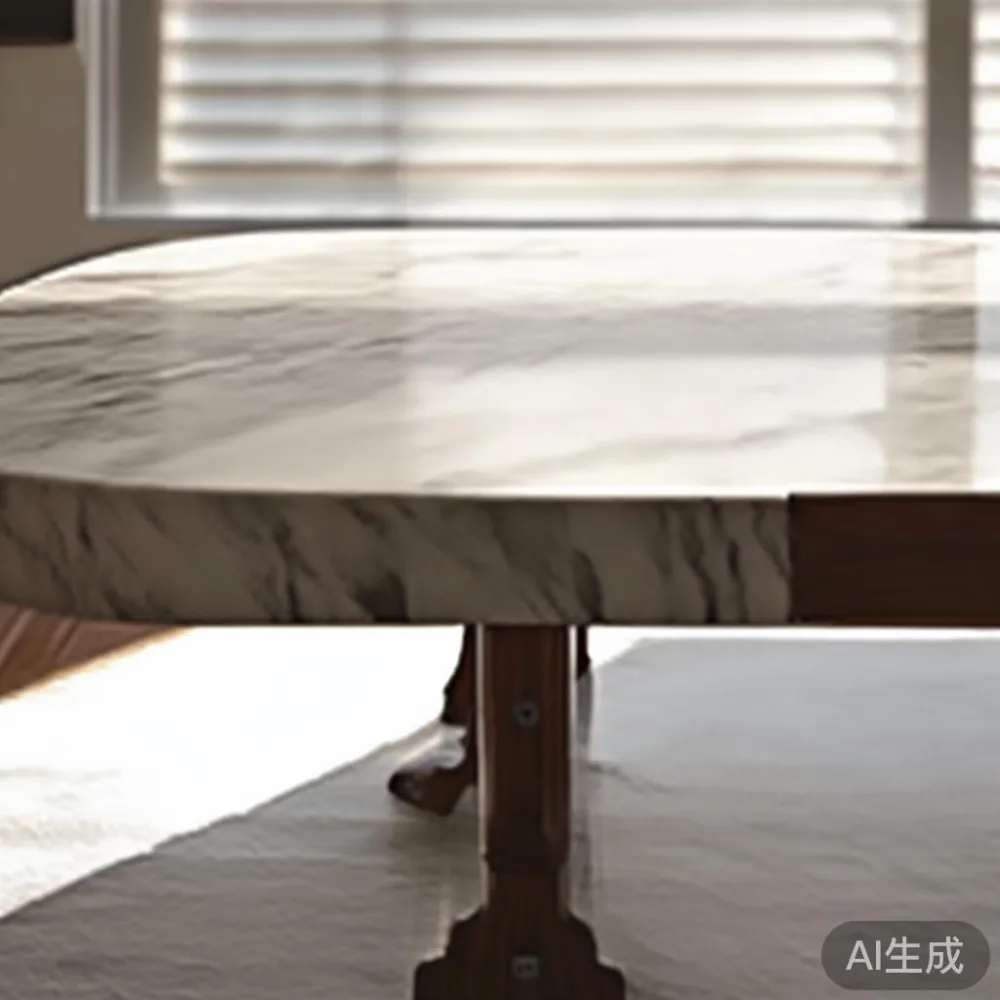
“Structural” usually refers to components that give the item its shape or load-bearing function. It may exclude surface finish, decorative veneer, moving parts, cushions, handles, gas lifts, electrical parts and damage caused by misuse. A marble top, for example, may have a separate surface or stone-specific clause because stone can chip, stain or crack through impact, incorrect support or improper handling.

MIDHILL states that its furniture carries a 10-year structural warranty and lifetime refinishing. That distinction is useful: the warranty addresses certain structural failures, while refinishing addresses the restoration of eligible wood surfaces. Ask for the policy in writing and confirm whether refinishing applies to the purchased finish, only to certain components, or only after an inspection.
Check the start date. The period may begin on the purchase date, the delivery date or the invoice date. Record all three dates, because an unresolved issue can cross a warranty boundary. If a table was bought on 3 June 2026 and delivered on 10 June, ask exactly which date controls the 10-year period.
Also check where the warranty applies. “10 years” may mean 10 years from purchase for residential use in Singapore, or it may depend on the supplier’s location and freight arrangements. Singapore consumer purchases are not automatically governed by a warranty issued in another country, so the supplier’s local responsibilities and dispute process should be clear.
Finally, distinguish a manufacturer warranty from insurance, transit damage responsibility and normal wear. Damage during delivery is often handled as a separate claim. Clearance by the delivery team may also affect your ability to report concealed damage, so inspect the piece before or immediately after they leave.
Which Warranty Exclusions Are Most Likely to Cause a Claim to Fail?
Most disagreements come from a small number of exclusions. One common exclusion is misuse: standing on a chair, jumping onto a bed frame, overloading a dining table or hanging heavy items from a wardrobe rail can change the outcome of an inspection. Another is moisture exposure. Singapore’s humidity is not automatically a defect, but prolonged standing water, roof leakage or damp storage may be treated differently from ordinary seasonal humidity.
Weight limits deserve particular attention. A dining table may be rated for a stated load, while a marble-top surface may have a different limit because stone concentrates pressure at the feet of a base. Ask for the tested or specified load in kilograms rather than assuming that all solid wood tables can carry the same amount. A 120 cm dining table intended for six diners should have an appropriate seating and load arrangement; an oversized top may need a reinforced frame or more than one support base.
Transit and self-assembly exclusions are another frequent trap. If a wardrobe must be assembled inside a Punggol bedroom and the panels are damaged during assembly, the supplier may ask whether assembly was included. If delivery included placement but not assembly, clarify who bears responsibility for scratches caused during construction.
Look for exclusions tied to “normal wear,” discoloration, fading, surface patina and minor movement. Solid wood expands and contracts with humidity. Small gaps, checking or slight movement may not represent structural failure. Likewise, a marble top may show natural variations in colour and vein pattern. Photograph the original stone and compare it with the delivered piece if the finish does not match the sample.
Changes to the home can also affect the claim. A wardrobe originally installed level may become unstable after the floor settles, a building renovation shifts the wall, or a dining table is moved outdoors for an event. If the policy defines the item as indoor residential furniture, using it on a balcony or at a wet area may void relevant cover.
Is Delivery Damage Covered, and Who Pays for Collection?
Delivery terms should be separated from the structural warranty. Ask whether the supplier delivers curbside, places the item in the room, carries it upstairs, assembles it and removes the packaging. In Singapore, these are materially different services. A lift in Tampines may make carry-in manageable; a Bedok walk-up or a Punggol corridor with a 90 cm turn can make it difficult even when the furniture fits the flat.
Measure before ordering. For a dining table, record the tabletop length, width, height and the packaged diagonal. A 200 cm table may be too long for a 160 cm lift door once the packaging is considered. For a wardrobe, compare the carton dimensions against the lift opening, corridor turns and bedroom doorway. Leave at least 10 cm of practical clearance for doors, handles and angled movement, although a larger margin may be needed for tight corners.
Ask who is responsible if the item arrives chipped or scratched. A clear inspection clause may state that damage must be noted on the delivery paperwork before signing. Photograph all sides, edges and corners, and keep the packaging for at least 7 days. If your policy requires reporting transit damage within 24 or 48 hours, record the delivery time and method of notification.
Collection and return charges need equal attention. A warranty repair may be free for the defective component, but the supplier could charge for labour, transport, collection, re-delivery or return of the old part. A claim from a Singapore address may still involve a service agent travelling from another location. Ask for a written estimate before authorising collection.
MIDHILL offers free shipping over US$350 and a 14-day return window, but international shipping thresholds do not by themselves describe Singapore delivery services or local claim costs. Request a Singapore-specific quotation in SGD, including GST, delivery, lift carry-in, assembly and any return-related charges.
What Evidence Should I Keep Before a Problem Appears?
Keep the invoice, warranty document, product specification, packaging and delivery record. Note the order number, product name, finish, colour, stone pattern, dimensions and component codes. Take clear photographs and a short video while the furniture is in good condition. For a marble top, photograph the full slab, each corner and any natural veins. For a wardrobe, record the doors, drawer fronts, rails and interior under suitable lighting.
Measure the room conditions that could be relevant later. Keep notes on the dining table’s load, the bed frame’s mattress size and whether the wardrobe was anchored. If water reaches the base, save dated photographs. If a joint loosens, record the date and show that it was not caused by an obvious impact.
When contacting the supplier, describe the symptom precisely. “The table is broken” is less useful than “a 3 cm diagonal crack appeared in the marble top beside the left support after two weeks of use; no heavy object was placed on it.” Ask whether the company wants an inspection, repair, replacement or refund, and what documents are needed.
Do not repair a covered defect yourself without approval. Gluing a loose solid wood joint, tightening a wardrobe frame or filling a marble chip may remove evidence and affect the claim. For safety, stop using a cracked marble top or unstable bed frame. Secure the area and contact the supplier promptly.
Keep a communication log with dates and reference numbers. If a verbal assurance is important, ask for it in writing. A warranty that says “free repair or replacement” without explaining who pays transport can still leave a gap. Make that gap clear before purchase.
What Should I Ask Before Ordering a Marble Top or Solid Wood Piece?
Ask for the complete warranty, not only the headline duration. The key questions are: which components are covered; which defects are excluded; how residential and commercial use are treated; how the warranty start date is calculated; whether replacement or repair is the preferred remedy; what evidence is needed; and who pays collection, labour and return delivery.
For a marble table, request details about the stone type, thickness, finish, edge profile and support system. A 20 mm marble top may weigh considerably more than a similar wooden surface, so ask for the packaged weight and safe handling instructions. Confirm whether the table can be lifted by two people and whether the supplier recommends professional installation.
For solid wood furniture, ask which panels are solid wood and which are engineered components. The term “solid wood sofa” may describe the main frame while the back panel or seat platform uses plywood or another material. Likewise, a “bed frame” may combine a solid wood structure with metal supports, a slatted base or upholstered elements. A “nightstand” may have a solid timber carcass with a different drawer material. Precision in the specification prevents a warranty argument later.
For a dining table, check the extension mechanism, if any, and whether leaves are included. For a wardrobe, check the wall-anchoring requirement, drawer runners, hanging rails and door alignment. Lighting can make minor differences look larger than they are, so request finish samples and confirm the expected colour under your home’s conditions.
This is also where light-luxury expectations should be translated into measurable requirements. French light luxury may involve curved profiles, restrained ornament and a soft bedroom palette. American light luxury tends toward generous proportions, upholstered comfort and clear symmetry. Post-modern light luxury may use cleaner geometry with selective contrast. For a Singapore apartment, the style must still fit the lift and floor plan.
Italian light luxury for apartment planning often combines proportion, stone and texture, but a French-style dining room does not need oversized pieces. For smaller bedrooms, anyone searching for how to style French wardrobe in bedroom should consider a slim 120 cm unit, pale finishes and vertical handles rather than a bulky 180 cm cabinet.
How Do I Compare Warranty Terms Without Comparing the Wrong Things?
Compare claims in a table with identical columns. Put the duration beside covered components, exclusions, claim process, service geography, remedy, labour charges, response time and proof requirements. A 10-year warranty with an unclear replacement process may be less useful than a 5-year policy with clear terms if the latter has realistic local service.
Do not treat “lifetime refinishing” as a 10-year structural warranty or a lifetime promise for every surface. Ask what can be refinished, how often, at what cost and whether the service is available outside Singapore. Stone tops and hardware generally need different treatment from timber.
Price the ownership risk, not only the purchase price. A SGD 1,400 dining table plus SGD 90 delivery may be less costly than a SGD 1,200 table with SGD 150 assembly and uncertain after-sales charges. If you are comparing ideas for under 2000 Japanese furniture, check the total SGD cost after GST, delivery and installation as well as the dimensions. Price is one factor; the warranty’s enforceability is another.
For wider room planning, an Italian light luxury TV console can work in a compact living room if it is no deeper than 40 cm, but the wall-mounting and cable-access details matter. If you are comparing a European light luxury bed vs Japandi bed, check both the mattress dimensions and the room’s lift route. A 180 cm European-style bed may have a broad frame that cannot turn through a narrow corridor, while a lower Japandi frame may be easier to manoeuvre.
Some buyers use broad style phrases such as cheap Modern light luxury furniture to describe an affordable appearance, but a low purchase price does not define the warranty. Ask the same questions about every option. The relevant comparison is equal coverage, equal exclusions and equal access to service.
What Happens After I Make a Warranty Claim?
A typical process begins with notification, followed by document review and possibly an inspection. The supplier may ask for the invoice, serial or order number, photographs, video, and access to inspect the furniture. You may be asked to make the item available for collection or to allow a technician to visit.
Confirm the timeline. A 3-working-day acknowledgement and a 10-working-day preliminary assessment are more useful than an unspecified “soon.” If collection is required, ask how the item should be packed, particularly a marble table. The company may insist on its own crate or transport method to protect the stone and the home.
Get any repair estimate in writing. If a covered component is replaced, verify that the replacement matches the original in material, finish and dimensions. For refinishing, agree the colour and sheen before work starts. For a marble top, ask whether repair is realistic or whether replacement is the appropriate remedy; deep cracks may not be safely repairable.
Escalate through a documented route if the claim stalls. Keep the original invoice, keep every message and avoid threatening language. Many disputes become clearer once the supplier confirms whether the issue falls under manufacturing, transit, misuse or wear. If the policy includes mediation or a named contact, use that channel rather than creating parallel claims that can confuse the file.
Finally, confirm how a repaired item’s warranty continues. A replacement part may receive the remaining structural period, a new 10-year period or a shorter period stated in the settlement. Ask for written confirmation.
What Are the Warning Signs of an Unclear Warranty?
Red flags include a single headline without definitions, “wear and tear” covering every possible fault, no named claim channel, no response period, and unlimited discretion over collection costs. Another sign is a long list of covered items but no list of exclusions. Promotional language such as “coverage for life” is not a substitute for legal and operational detail.
Watch for contradictions between the sales page, invoice and warranty document. If the listing says “10-year warranty,” the invoice says “5 years,” and the attachment says “10 years from manufacture,” ask which one governs. If delivery is described as free over US$350 but the Singapore quote includes a lift surcharge, request the final amount in SGD.
Check whether a warranty is transferable when a property is sold. If you move from Tampines to Bedok or Punggol, an inspection radius may change. A supplier that states it will inspect throughout Singapore gives more practical certainty than one whose service area is undefined.
Do not assume overseas manufacturing makes a claim impractical. Foshan factory production can be paired with a clear local or regional service arrangement, but the written agreement matters more than the factory location. Ask who owns the warranty relationship after the item leaves the factory and who holds spare parts.
The most dependable policy is specific: a named structural component, a stated defect, a defined period, a claim procedure, a responsible party and a clear cost allocation. Review those points before discussing finish, price or style. That way, the warranty becomes part of the product decision rather than a surprise after delivery.