Solid Wood Furniture Cost: What Drives the Price in Singapore
Solid wood furniture prices can look puzzling. One dining table is quoted at S$1,290, another at S$4,800, yet both are described as solid wood. The difference is rarely one material label. It comes from the species, dimensions, joinery, finish, hardware, and the amount of skilled work hidden inside the frame.
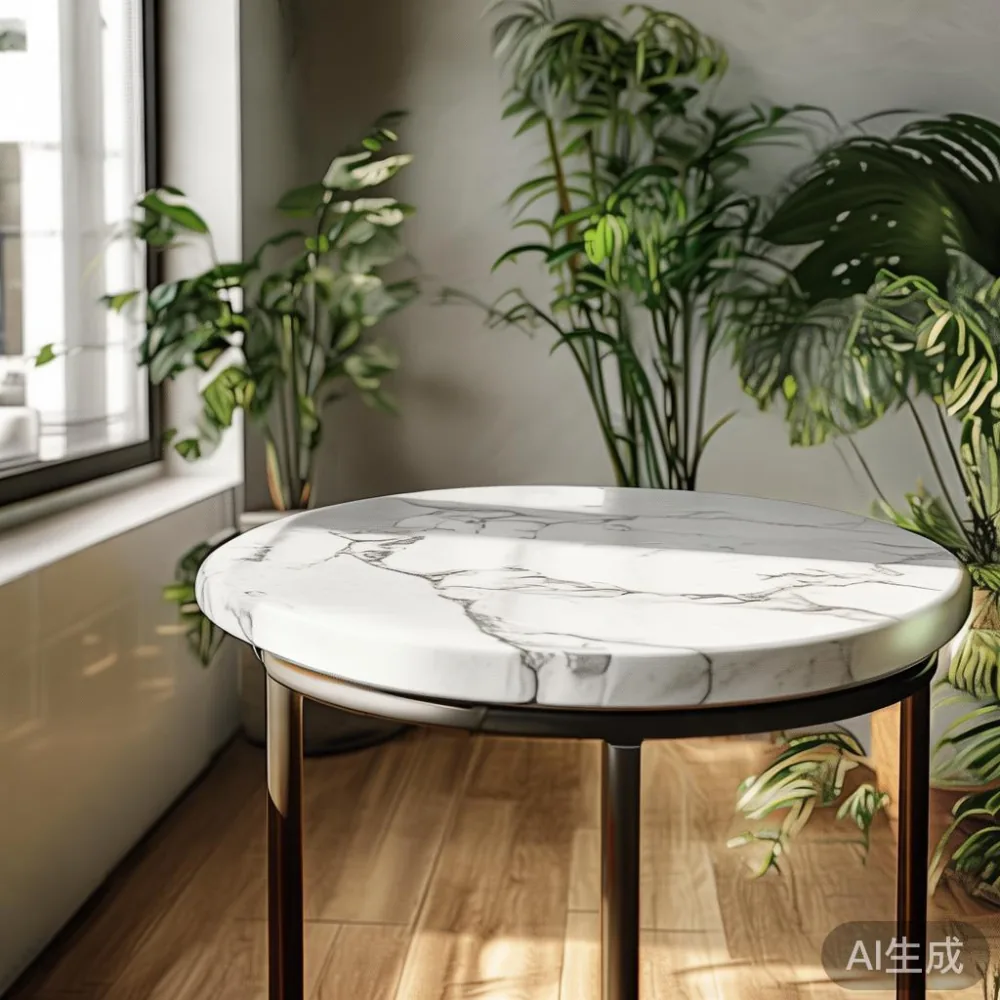
For Singapore homes, another factor matters just as much: delivery is not simply a truck ride from a workshop to a doorstep. A lift lobby may be 110 cm wide, the lift car may measure 140 cm by 160 cm, and a corridor turn can make a 220 cm table impossible unless it can be dismantled. A well-priced piece should account for how it reaches the actual room and what happens if something goes wrong after delivery.
MIDHILL was established in 2008 and exports to more than 15 countries. Its 10-year structural warranty, lifetime refinishing service, 14-day returns, and free shipping on orders over US$350 give shoppers useful reference points. Prices here are expressed in SGD because that is the currency most relevant to buyers in Tampines, Bedok, Punggol, and other Singapore districts.
The purpose of this guide is to show exactly where money goes in solid wood furniture, from a solid wood sofa frame to a marble table, and how to compare quotations on facts rather than vague luxury language.
Is solid wood automatically more expensive than engineered wood?
Not always. “Solid wood” describes the use of timber in the visible or structural parts, but it does not identify the species, grade, thickness, or construction method. A kiln-dried rubberwood bed frame may cost less than a dense hardwood dining table even if both are labelled solid wood. A hardwood wardrobe may also cost less than a thick solid wood sofa with hand-finished arms and upholstered cushions.
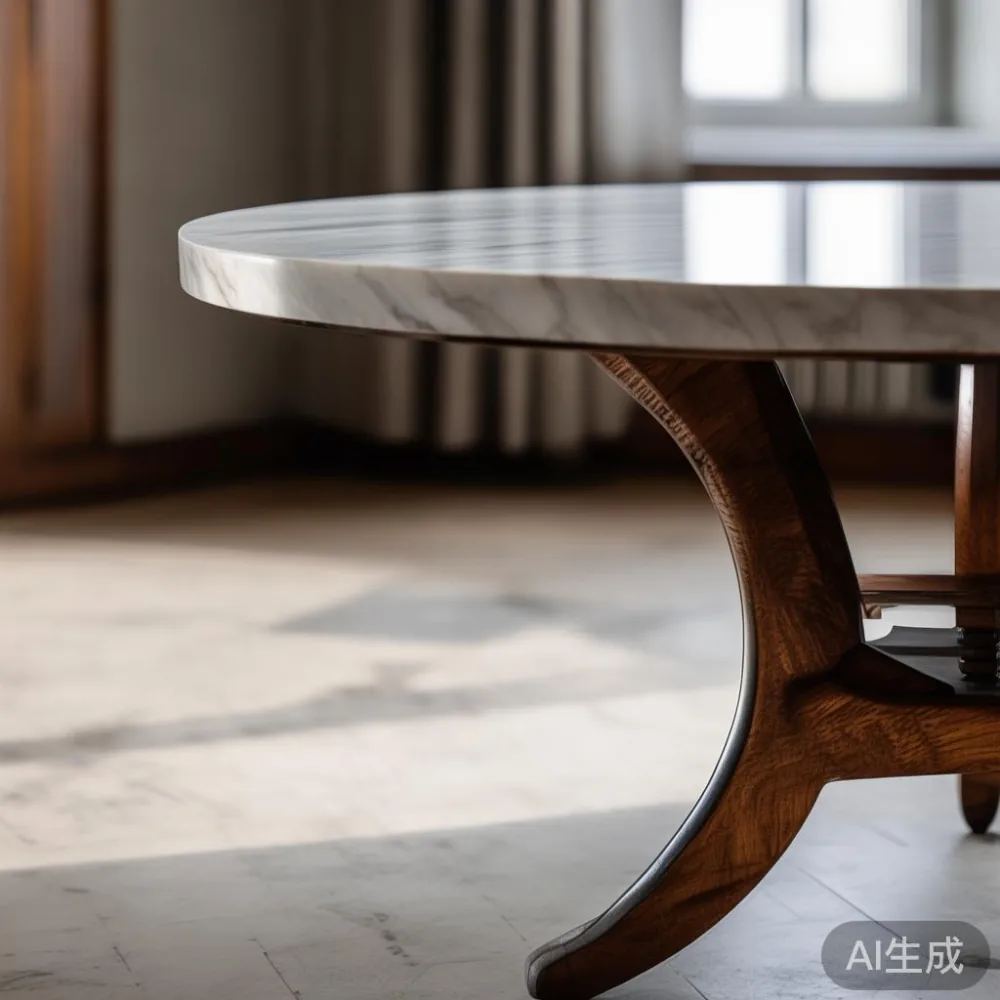
The material list is normally the largest cost in a dining table or bed frame. For a 180 cm by 90 cm dining table, a design using 25 mm boards will require more timber than one using 18 mm boards, although the internal frame still needs adequate stiffness. A 160 cm bed frame with a 220 cm headboard can consume close to 45 kg of raw timber before joints and packaging are counted.
Grade affects appearance rather than strength alone. Knots, colour variation, sapwood, and grain movement affect how a surface can be finished. Book-matched boards for a marble table base or wardrobe doors demand careful selection and matching. Lower-grade timber can work well for hidden rails, while premium boards are often reserved for drawer fronts, table tops, and broad visible panels.
Buyers should ask for the species and actual board dimensions. “Solid oak” is more informative than “wood,” but “20 mm finger-jointed oak core with a 6 mm oak veneer” is more informative still. Veneer is not a defect when used sensibly; it can improve consistency and stability while reducing waste. The key is paying for construction that suits the piece, not assuming that one label covers every specification.
What makes one solid wood dining table cost S$2,000 more than another?
Start with dimensions and mass. A 200 cm by 100 cm dining table may weigh 55 to 85 kg, depending on timber and whether the base is solid or partly assembled from components. Moving from 180 cm by 90 cm to 220 cm by 100 cm can add S$700 to S$1,500 because more material is used, longer boards are harder to source, and reinforcement becomes more demanding.
Joinery explains another major gap. Mortise-and-tenon joints, dovetail drawer boxes, and bridle joints take more cutting, fitting, and finishing time than screws concealed inside panels. Screws and metal brackets can still be appropriate in a bed frame; their presence does not make a piece cheap. What matters is whether the joint supports the intended load and whether it can be serviced.
Finish is measurable. Water-based lacquer may be economical and low in odour, while hardwax oil, conversion varnish, or a multi-layer matte finish may add S$250 to S$900 per dining table. The visual result matters: French light luxury often favours pale timber, restrained profiles, and finely controlled finishes. American light luxury often combines substantial wood frames with padded comfort. Post-modern light luxury may use clear geometry, contrasting grain, and carefully proportioned stone.
For a marble table, the stone itself may cost S$400 to S$1,800 for a 120 cm top, depending on whether it is engineered marble or natural marble, the thickness, cut, and veining. Natural stone varies, so two slabs can produce visibly different prices. The supporting timber must also resist movement around the stone rather than treating the top as purely decorative.
When comparing a MIDHILL dining table, request the timber species, top thickness, base dimensions, finish type, and delivery assumptions. A quote should make clear whether S$2,490 includes the full solid wood top, hardware, protective coating, and delivery to the unit’s lift lobby. If it excludes stair carrying or room-of-choice placement, the final project cost may be higher.
Why do upholstery and comfort change the price of a solid wood sofa?
A solid wood sofa combines at least three cost systems: timber, joinery, and upholstery. A three-seat model may use 18 kg to 30 kg of kiln-dried hardwood or suitable solid wood components. The frame must hold the seat for years, so concealed brackets, corner blocks, webbing, and springs matter as much as the visible arms.
Foam density is a useful price guide because it is measurable. A seat cushion using 35 kg/m³ foam generally feels firmer than one using 22 kg/m³, while high-resilience foam around 45 kg/m³ can add support and resilience. Fabric also has a price range: plain polyester may start around S$18 per metre, while textured or performance upholstery may cost S$45 to S$120 per metre. Leather varies even more by hide, thickness, and finish.
Design changes labour. A straight bench can be mechanically efficient; a curved back, loose cushions, piped edges, and aligned grain on the arms require more templates and handwork. French light luxury sofas tend to favour slim profiles and balanced upholstery. The phrase Japanese sofa vs Mid-century modern sofa describes two different ideas rather than two quality levels: one is generally low, compact, and floor-oriented; the other uses visible legs, tapered forms, and more deliberate geometry. Both can use solid wood, but their labour and foam requirements differ.
Last month I visited a supplier in Foshan and watched two otherwise similar three-seat sofas being built. The frame with tighter corner blocking took 42 minutes longer to assemble, while the upholstery with matched panels on all visible sides required another 35 minutes. The finished retail difference was S$560, which was far more plausible than an arbitrary “premium” mark-up.
Check seat depth against the room. A 95 cm-deep sofa suits a generous living room but crowds an HDB living room with a 280 cm usable wall length. A 88 to 92 cm depth often feels more balanced in a compact condo. The Boho for small living room can work when scale is controlled: a 185 cm sofa, narrow legs, and 2 to 3 textured cushions create warmth without pushing circulation below 70 cm.
How much should a bed frame, wardrobe, and nightstand cost?
A bed frame can reveal quality through stability rather than decorative complexity. A queen bed measuring 152 cm by 190 cm may use 30 to 50 kg of timber. Fitted timber slats at roughly 10 to 12 cm centres can support the mattress without a full solid platform, which may reduce material use and heat buildup. The price commonly falls between S$690 and S$1,990 for a straightforward solid wood design, with more elaborate joinery, thicker boards, and premium finishes moving above S$2,400.
A wardrobe often carries a larger ticket because it includes doors, drawers, rails, shelves, and hardware. A 150 cm-wide, 210 cm-high, 60 cm-deep wardrobe may contain 18 to 28 moving or internal parts. Soft-close runners, solid timber drawer boxes, adjustable shelving, and a coordinated interior raise the cost compared with a basic flat-pack carcass. A hinged wardrobe may cost less than a sliding model, but it can require more floor clearance in an HDB bedroom.
The phrase MIDHILL light luxury wardrobe points to a design approach rather than a fixed price. A pale oak finish, restrained handles, continuous vertical grain, and a clean interior can create French light luxury character while remaining practical for a Tampines flat. For anyone comparing how to style American wardrobe in room, the useful approach is to match the finish to the bed frame or nightstand, repeat one metal finish, and keep the internal layout functional.
A nightstand usually ranges from S$220 to S$780. The apparent size can deceive: a 45 cm-wide model with a deep drawer, solid side panels, and a rear cable opening may use nearly as much timber as a smaller display shelf. For a bedroom, 40 to 50 cm is a practical width, while 44 to 55 cm is a comfortable height beside a standard mattress.
MIDHILL’s 10-year structural warranty gives a buyer a defined benchmark for frames and structural components. Lifetime refinishing can extend the usable life of the visible wood, provided care and service terms are understood. These services have value because a minor scratch does not automatically end the life of a S$1,600 table or S$1,250 wardrobe.
Do marble tops really justify their price?
A marble top can justify its cost when the material, edge profile, support, and installation are handled properly. It is not automatically justified by the word “marble.” A 100 cm square top may be 18 mm, 20 mm, or 30 mm thick. A thick slab is heavier and more costly to transport, but thin engineered marble can be appropriate when supported along its perimeter and designed for the load.
Natural marble is quarried in slabs with natural variation. Selecting matching blocks for book-matched veining adds work. Engineered marble can offer tighter colour consistency and lower weight, but the stone layer and substrate should be identified. A coffee table with a 120 cm by 60 cm marble top might add S$500 to S$1,700 over a timber-only version, plus an average Singapore GST of 9% when the seller is GST-registered.
The stone-top furniture market also uses colour responsibly: white and pale grey marble can suit French light luxury; charcoal veining can support post-modern light luxury; and warm cream stone can balance American light luxury proportions. The top should relate to the wood base, not merely contrast with it.
Installation is where hidden costs appear. A stone top weighing 70 kg needs at least two people and proper lifting equipment. A lift rated for 500 kg may handle the combined load, but the doorway or turning radius can still be restrictive. If the lift car is 140 cm by 160 cm, a packaged 130 cm top may enter diagonally, while a 150 cm top may require doorstep delivery and room-of-choice installation.
Ask whether the marble top is removable, how it is protected, and what happens if it arrives chipped. Structural issues and manufacturing defects should be distinguished from accidental damage. Clear policies make a higher price easier to assess than an unexplained luxury claim.
How should Singapore buyers compare delivery, warranty, and returns?
Compare delivery in centimetres, kilograms, and working days, not just “free delivery.” A typical Singapore delivery may take 7 to 14 working days after production, but made-to-order pieces can take 6 to 10 weeks. Peak periods and custom dimensions add time, so the quotation should state whether the lead time is estimated or confirmed.
Measure the route before ordering. Common HDB lift lobby widths are around 110 to 140 cm, while corridor widths can be 100 to 180 cm. Check the lift door, the corridor turn, and the bedroom door. The table’s longest component should fit the narrowest point with several centimetres of handling clearance. A supplier should be able to confirm the packed dimensions and whether the item is knock-down.
Warranty length is only one part of the comparison. A 10-year structural warranty can cover frame failure under normal use, while a 1-year warranty may cover everything with different exclusions. Ask about timber movement, finish fading, joint loosening, drawer runners, and marble-top damage. The 14-day return window is useful for checking scale, colour, and comfort, but a return may not include return freight or certain custom pieces, so those terms should be read before checkout.
GST should also be shown clearly. For an example comparison, a S$2,000 before-GST item becomes S$2,180 with 9% GST. A S$4,000 quote becomes S$4,360. Free shipping over US$350 offers a useful threshold for overseas orders, but Singapore delivery, lift carrying, and room placement may still be separate charges.
Smart-shopping lists can distort comparison. The top 10 Minimalist furniture is useful for finding visual references, but a minimalist wardrobe with chipboard panels and one against a solid wood frame may appear on the same list. Compare the same specification: timber species, thickness, joinery, finish, dimensions, mass, warranty, and delivery.
Which details are worth paying for in solid wood furniture?
The most useful expenditure is usually hidden structural quality: adequate timber thickness, sound joinery, stable support, well-finished drawer interiors, and hardware that will work after 10 years. Visible refinement matters too—aligned grain, smooth transitions, close-fitting doors, and consistent colour—but it should complement the construction rather than conceal it.
It is also worth paying for a furniture plan that fits the building. For a Punggol condo living room, a 180 cm solid wood sofa, a 100 cm marble table, and a 60 cm media unit may create better circulation than a larger set with narrow passageways. For Bedok and Tampines HDB interiors, modular storage and dismantlable wardrobes can be more valuable than an elaborate finish that the room cannot accommodate.
A common post-modern approach is to mix one strong silhouette with quieter pieces. Post-modern for small living room does not mean adding clutter. A rectangular solid wood coffee table, one curved chair, and a plain wall can create character while preserving a 70 to 90 cm circulation route. In a compact flat, restraint often requires more design judgement and can cost more in planning.
Buyers should separate three figures: the item price, the delivered price, and the likely lifetime cost. A S$1,490 table with replaceable hardware and refinishing may offer better long-term value than a S$1,050 table that cannot be repaired. Refinishing can cost S$30 to S$80 per hour plus materials, depending on condition, so a 5-hour restoration might add roughly S$150 to S$400.
The final comparison comes down to evidence. Request drawings with dimensions, a timber schedule, finish details, packed sizes, weight, delivery days, warranty coverage, and return terms. MIDHILL can provide those specifications because a product price becomes meaningful when the construction and service conditions behind it are visible.