What Actually Drives the Price of Solid Wood Furniture
I learned the hard way that two bed frames can look identical in a showroom photo and still differ by SGD 1,400 once they reach your Tampines HDB flat. Last month I visited a friend who had just taken delivery of a solid wood bed frame marketed as French light luxury, and the headboard was wobbly after three weeks. The supplier he nearly bought from offered a replacement at half the price of what I actually ended up sourcing. That single afternoon changed how I read price tags, and it is the reason this guide exists.
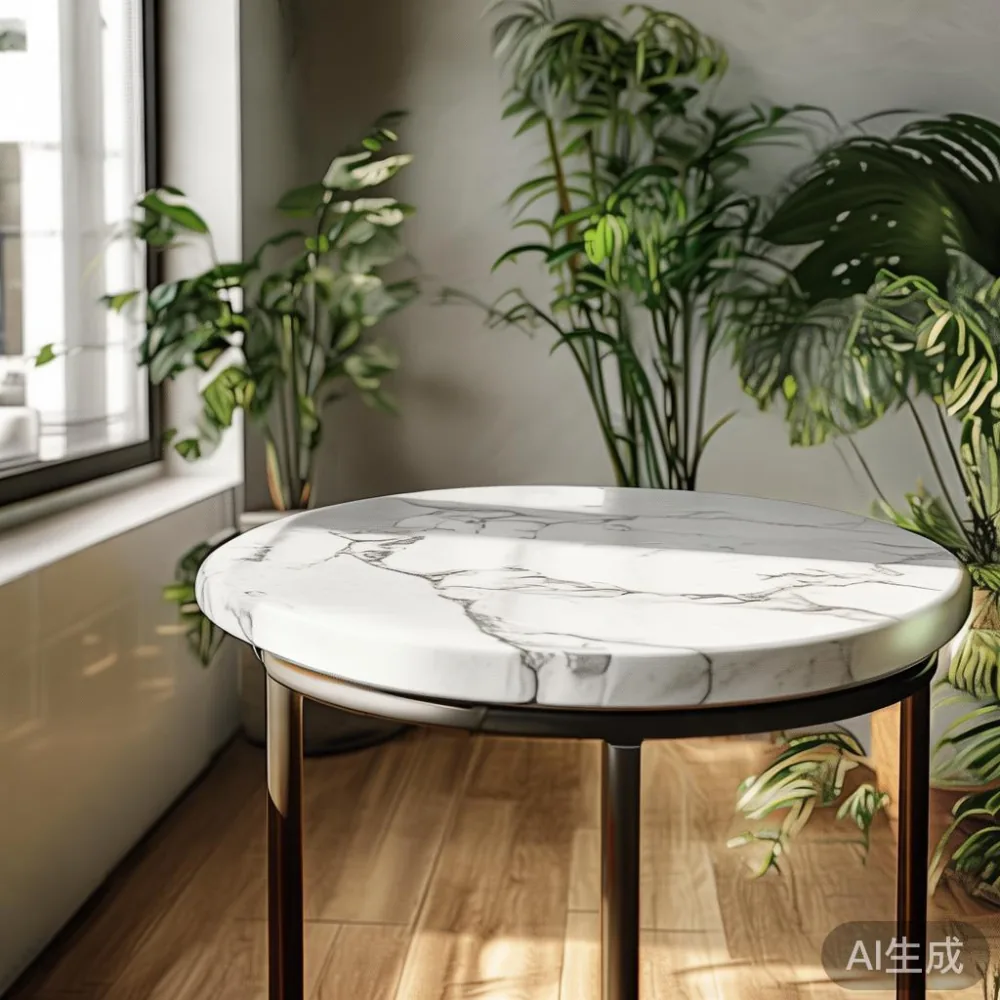
Whether you are furnishing a four-room HDB in Punggol, a condo in the East, or a larger landed property, the question behind every price tag is the same: what am I paying for, and what am I missing? MIDHILL, a Foshan maker operating since 2008 and shipping to more than 15 countries, walks customers through exactly that breakdown on midhill.co. Their showroom data, warranty terms, and shipping thresholds give us a concrete way to convert an abstract number into a specific list of features. With a marble-top dining table, an Italian light luxury nightstand, or a wardrobe for the master bedroom, the same five cost drivers keep showing up.
1. The species and grade of the timber under the finish
Wood is not a single commodity. A solid wood sofa frame built from kiln-dried white oak at 8-10% moisture content behaves differently than one made from rubberwood at 12-14%, and the price reflects that gap. In Singapore, where humidity sits between 70% and 85% for most of the year, moisture content matters even more because wood moves. A dining table that ships from a dry Foshan warehouse into a Bedok corridor with no air-conditioning for six hours is a stress test the timber has to survive.
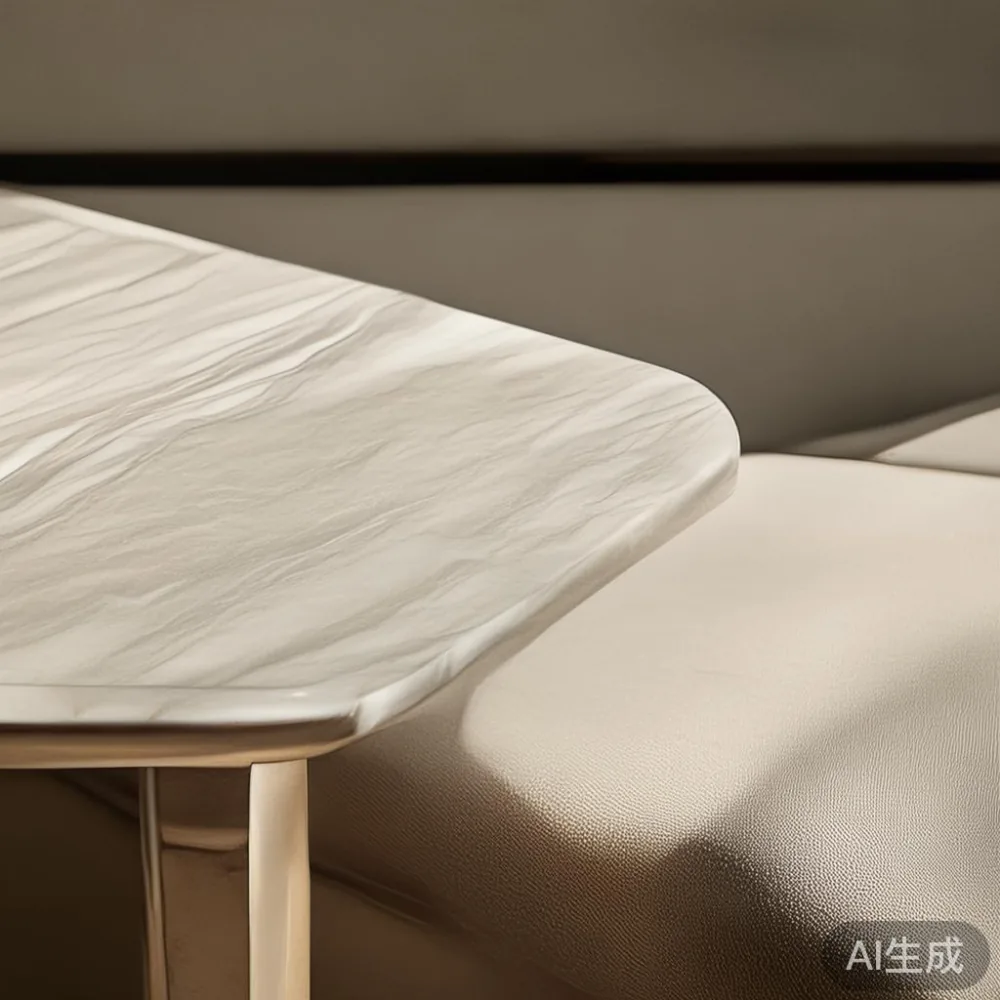
Top-tier oak, walnut, and ash typically add SGD 800 to SGD 2,200 to a bed frame compared with beech or rubberwood of the same dimensions. The marble top you choose for the dining table also sits on this frame, so any movement in the base will eventually crack the stone or weaken the joints. Always ask which species is used, where it was kiln-dried, and what the moisture reading is at packing. A supplier that quotes a moisture content number between 8% and 12% is taking the question seriously. A supplier that just says "hardwood" is filling in the blanks later.
2. Joinery, hardware, and how long the frame is meant to last
Take any solid wood bed frame apart in your head. Where the side rail meets the head leg, you should find either a mortise-and-tenon joint glued and wedged, or a dowel joint with a corner block. Both will outlive a screw-and-camlock joint that has been over-tightened by a sleep-deprived couple on a Saturday afternoon. Hardware tells the same story: soft-close hinges on a wardrobe cost more than basic spring-loaded hinges, and the difference shows up after 20,000 cycles rather than 2,000.
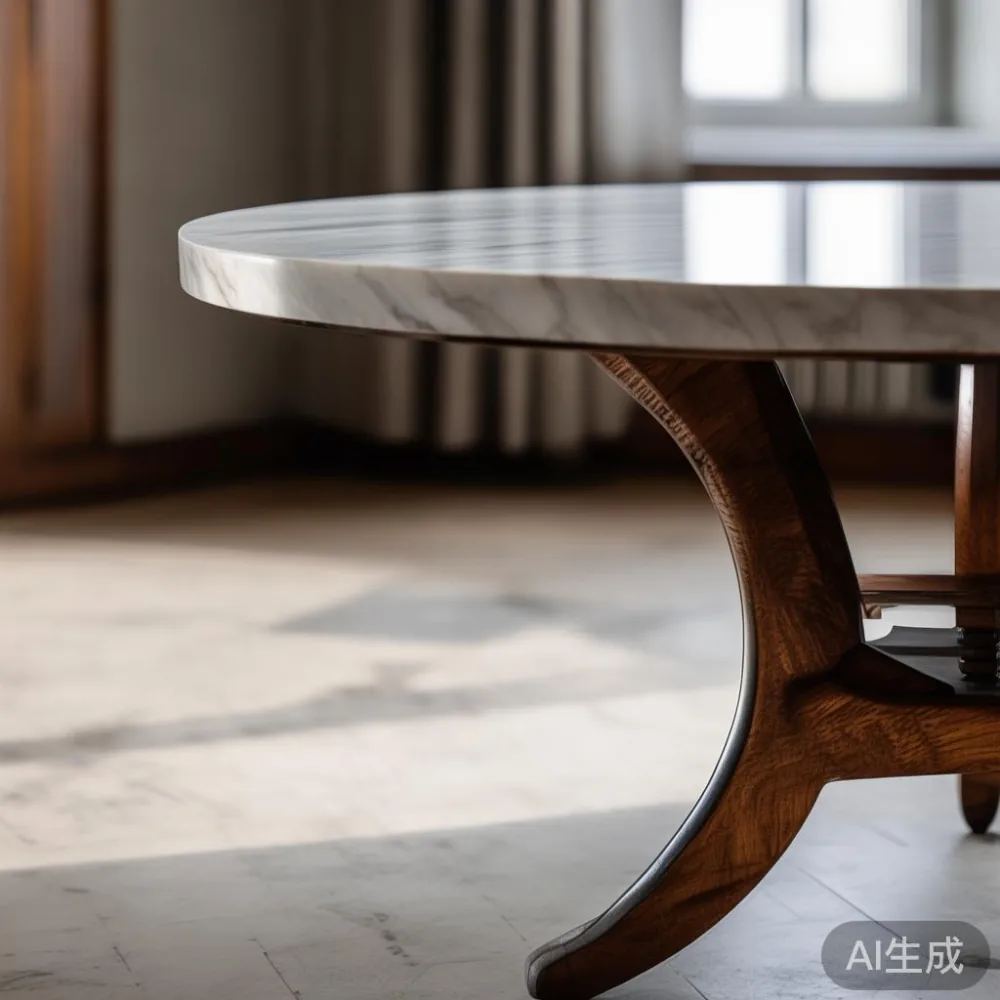
Real numbers help. A wardrobe with full-extension soft-close runners and 360-degree hinges runs roughly SGD 600 to SGD 1,200 more than the same carcass with entry-level hardware. A bed frame with through-tenon joinery at all four corners will outlast one with surface-mounted brackets by 8 to 12 years under normal use. Asking how to choose light luxury wardrobe becomes much easier once you can see which line items on the spec sheet are joinery and which are cabinet panels. Frame geometry, slat spacing, and centre-rail support all sit in this category.
Post-modern light luxury styles often hide the joinery behind clean lines, which is exactly why the joinery matters more. A flawless white-oak exterior over particleboard internal panels is a frequent compromise, and it shows up as a 30% to 45% discount against comparable solid-wood pieces from established Foshan makers like MIDHILL.
3. The marble top itself: stone grade, thickness, and how it was cut
A marble-top piece carries two price tags: the cabinetry and the stone. Stone is graded by quarry, veining pattern, and structural integrity. A Calacatta slab with book-matched veining can run SGD 380 to SGD 720 per square metre at source, while a Carrara marble with moderate veining sits closer to SGD 180 to SGD 320. Thickness adds another multiplier: an 18mm top is industry standard for dining tables, but a 25mm top on a dining table reads as heavier, quieter on the plate, and roughly 35% more expensive.
How the slab was cut also matters. A vein-cut travertine reads horizontally; a cross-cut travertine reads cloud-like. With a marble-top nightstand, the orientation chosen by the workshop affects how many slabs are wasted during layout, which then affects your invoice. MIDHILL publishes stone origin, thickness, and finish on most product pages, which removes guesswork on a category where the price gap between two visually similar marble tops can easily hit SGD 600 for the same dimensions.
Stone also needs sealing, and most factories apply two coats at the workshop plus a recommendation to re-seal every 12 to 18 months in a tropical climate. Skipping the seal adds another SGD 80 to SGD 150 to your long-term maintenance cost, which is not in the sticker price but shows up in your weekend budget.
4. Finish, hand work, and the labour hours baked into each piece
Finishing is where the "light luxury" label gets earned or faked. A multi-step finish on solid wood typically includes sanding through 180, 240, and 320 grits; a base stain or sealer; a colour coat; a wiping or glazing pass to add depth; a topcoat; and a final hand-rubbed buff. That sequence consumes 6 to 10 labour hours per dining table in a workshop that is genuinely doing the work by hand. A piece with only two spray passes and a single topcoat consumes 1.5 to 2.5 hours.
Hourly labour in Foshan for skilled finishing runs around RMB 35 to RMB 60, which feels modest, but multiplied across an order of 50 to 200 pieces a month it changes the per-unit number substantially. That is the hidden reason a French light luxury nightstand from a smaller workshop costs SGD 450 while a comparable industrial piece costs SGD 280. The 6-hour finish is real, and you can feel it when you run a finger across a sealed edge.
Hand work also shows up in the final fit. Drawer fronts aligned within 1mm of each other, doors that meet flush at the corner, and consistent gap reveals of 2 to 3mm around wardrobe doors are signs of manual adjustment after assembly. If you want to evaluate an Italian light luxury nightstand, open every drawer and run your eye along the gap line. Anything beyond 3mm variance tells you the piece skipped the bench-fitting stage.
5. Warranty, shipping, and the after-purchase math that nobody quotes upfront
Sticker price is rarely the final price in Singapore. A 9% GST applies on most imported furniture, a delivery into a HDB with a 1.1m-wide lift and a 1.2m-wide corridor may need a side-mount carry that adds SGD 80 to SGD 180, and installation for a wardrobe with mirrored panels sometimes costs another SGD 150. Then there is the warranty itself. A 10-year structural warranty from MIDHILL covers joint failure, frame cracking, and major warping; a one-year warranty from a marketplace seller covers almost nothing structural.
Shipping thresholds reshape the bill too. MIDHILL ships free above US$350 (about SGD 470), which often pulls a second piece like a dining chair or a nightstand into the same order for less than the marginal delivery cost. Outside that threshold, expect SGD 90 to SGD 220 for a single bed frame delivered to Tampines, Bedok, or Punggol within 7 to 14 working days. Returns inside 14 days are workable only if the original crate is intact, so factor crate retention into your floor plan if you are ordering before a renovation handover.
Refinishing and long-term repair also belong here. A lifetime refinishing commitment through MIDHILL removes the eventual cost of a resurface, which is a real expense over 10 to 20 years of use. Quote that as roughly SGD 350 to SGD 700 saved over the life of a dining table, and the headline price gap between two similarly built pieces starts to make sense.
"Is a solid wood sofa frame really worth the extra over engineered wood?"
For seating, the answer is a clear yes in most cases. A solid wood sofa uses hardwood for the load-bearing rails, the seat platform, and the back frame. An engineered-wood sofa uses plywood or MDF in those same locations, often wrapped in a thin wood veneer. The weight difference alone is dramatic: a three-seat solid wood sofa frame weighs 55 to 75 kg, while a plywood-frame equivalent weighs 32 to 48 kg. That 20 to 30 kg gap is your real-world hint about what kind of timber is carrying you.
For lighter pieces the calculation shifts. A MIDHILL light luxury sofa frame paired with high-density foam at 35 to 45 kg per cubic metre will outlast a budget frame with foam at 22 to 28 kg by roughly five to seven years under daily use. If you are choosing between an European light luxury bed vs Mid-century modern bed, the same logic applies: ask which parts are solid and which are panel, and which joints are dowelled versus screwed.
"How do I compare two bed frames that look identical in a catalogue?"
Ask for three things: a written spec sheet listing timber species, joinery method, and hardware brand; a moisture-content reading at packing; and either a workshop video or a showroom visit. Reading the catalogue copy is not enough. A bed frame at SGD 1,490 and another at SGD 2,890 may share the same photography, the same fabric supplier, and the same dimensions, yet differ on every structural line item in this guide.
A practical shortlist for Singapore buyers:
- Confirm timber species (oak, walnut, ash, beech, rubberwood) and moisture content (8% to 12%).
- Confirm joinery (mortise-and-tenon, dowelled, screwed) and hardware brand for runners and hinges.
- Confirm stone grade, thickness, and finish if the piece carries a marble top.
- Confirm warranty length in writing, plus refinishing or repair terms.
- Confirm shipping cost, GST treatment, lift access requirements, and return window.
For shoppers torn between styles, the comparison between a light luxury bed vs Mid-century modern bed usually comes down to wood tone, leg profile, and proportion rather than structural cost. Both can be built with the same timber, the same joinery, and the same warranty. The price gap, when there is one, sits in the finish sequence and the marble or veneer selection rather than the skeleton.
Putting it together for a Singapore household
A realistic budget for a full light-luxury solid wood dining set, bed frame, two nightstands, and a three-door wardrobe from a Foshan maker like MIDHILL lands between SGD 6,800 and SGD 11,400 delivered, before GST, with shipping absorbed above the US$350 threshold. Swap any one of those pieces for an entry-level engineered-wood alternative and the number drops by SGD 1,400 to SGD 2,600, but so does the lifespan under tropical humidity and daily use.
For shoppers browsing luxury Mid-century modern furniture alongside post-modern light luxury or American light luxury lines, the most useful habit is to ignore the first price you see and ask the five questions in this guide. The numbers will tell you which supplier is selling you a category, and which is selling you a piece of furniture.