What Actually Drives the Price of Solid Wood Furniture
I still remember the first time I carried a solid wood dining table up the lift of a Tampines HDB block. Six of us, two service lifts booked a week in advance, and a 92 kg table that arrived crated from a Foshan workshop nine months earlier. The customer had paid around SGD 2,180 for it. She told me afterwards she could not stop thinking about the bill. I have heard that exact worry from dozens of families across Bedok, Punggol, and Toa Payoh since, so I sat down with a tape measure, a kitchen scale, and three supplier quotes to figure out what really sits behind that price tag. This is what I found.
Wood species: the single biggest line on every invoice
Every solid wood sofa, bed frame, dining table, wardrobe, and nightstand starts the same way: someone selects a tree. The species chosen changes the price more than any other factor, and the spread is wider than most buyers expect. In Foshan showrooms I visited last month, ash came in at roughly RMB 6,800 to RMB 8,400 per cubic metre, walnut at RMB 12,500 to RMB 16,000, and white oak at RMB 9,200 to RMB 11,800. Burmese teak, which still sets the ceiling for premium pieces, sat between RMB 22,000 and RMB 28,000 per cubic metre.
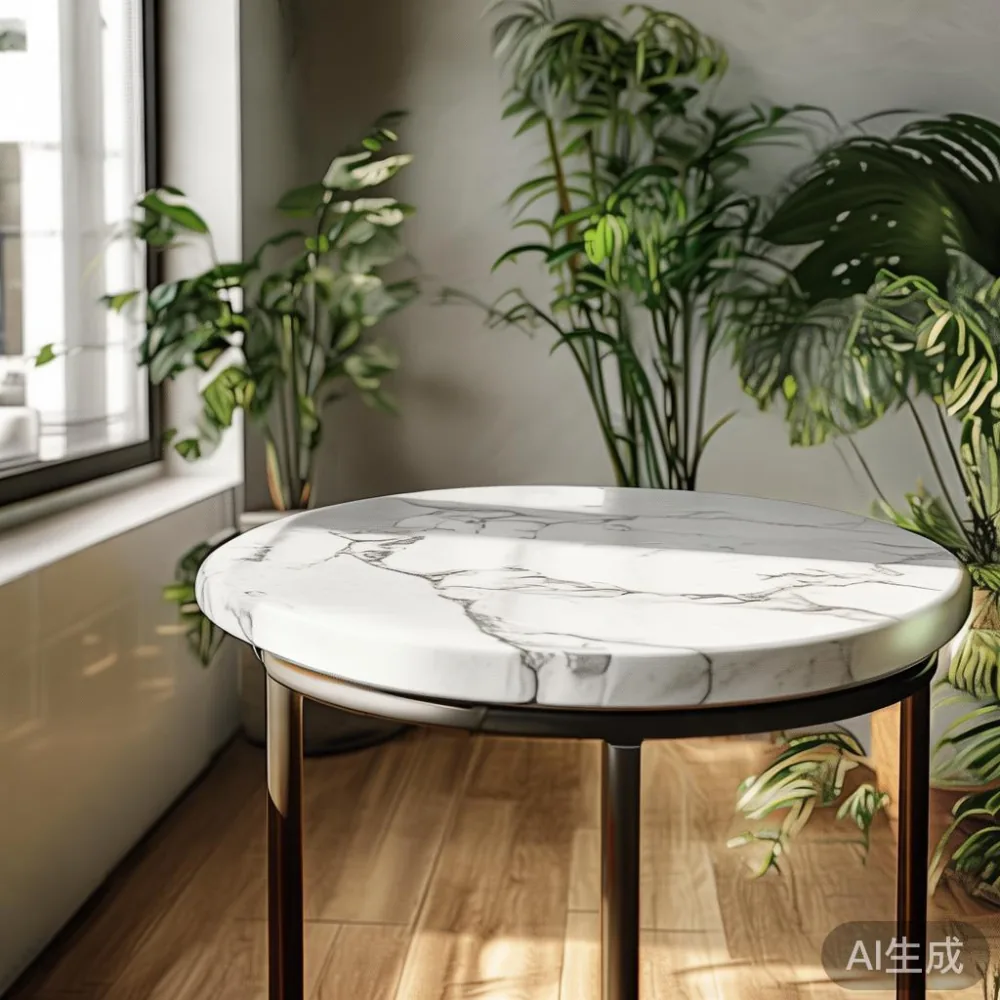
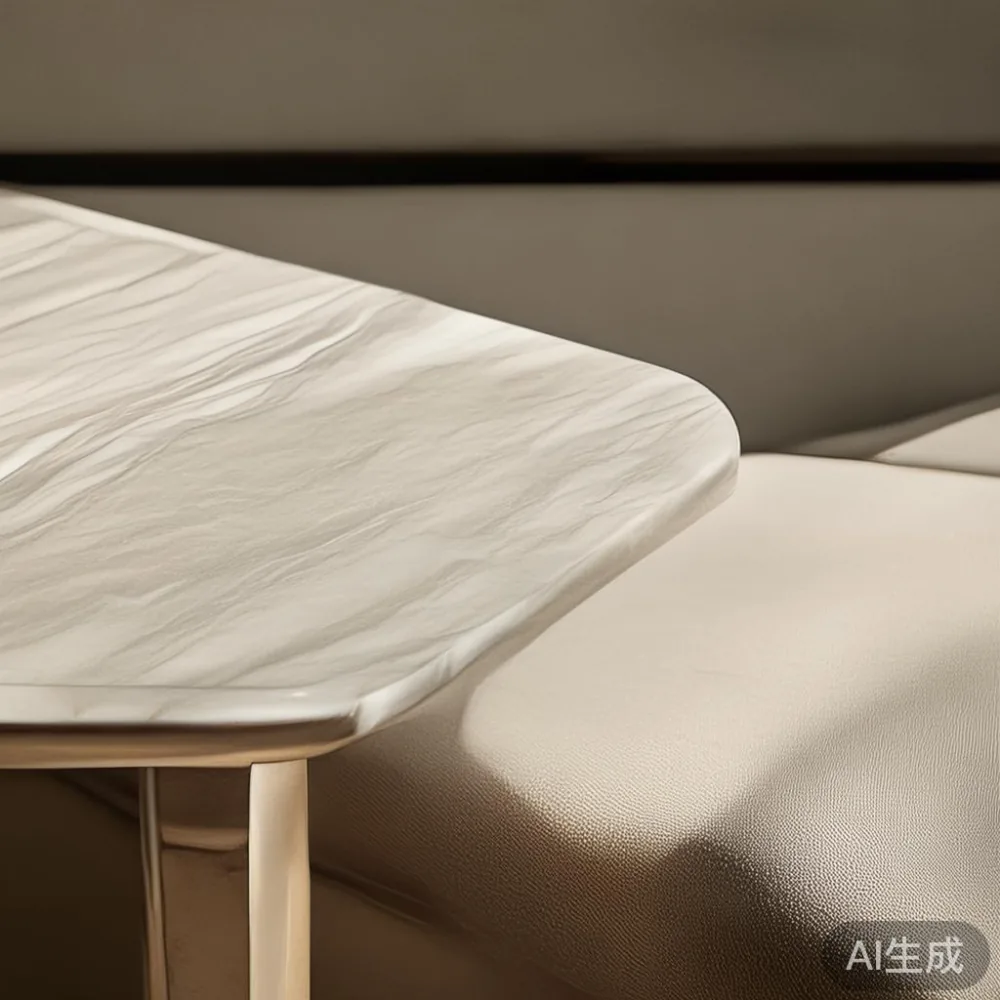
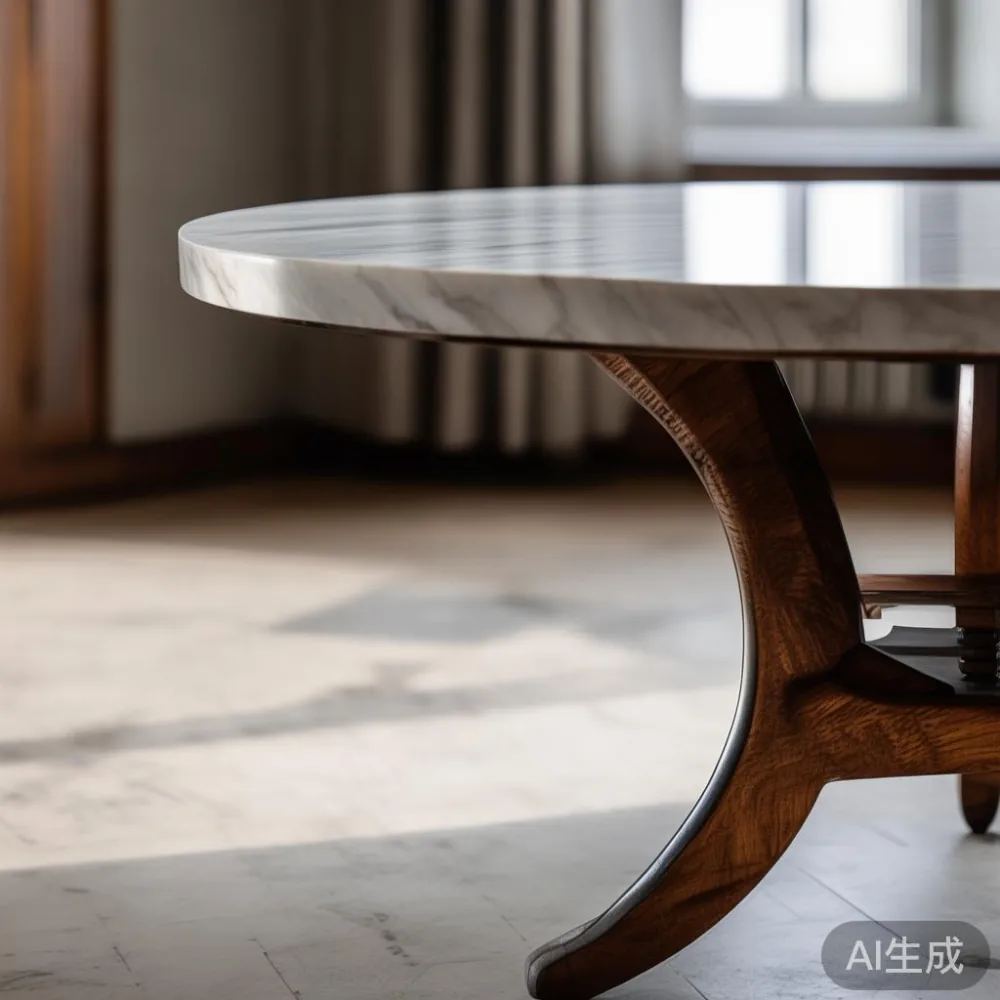
A 1.8 m dining table built from ash uses about 0.18 m³ of rough timber. The same table in walnut consumes the same volume but the material cost roughly doubles. Add a marble top insert, and you are looking at another RMB 1,800 to RMB 4,200 for a 1.6 m slab of Carrara or Guangxi white marble, depending on vein density and whether the slab is book-matched. That marble top is the most misunderstood cost driver on the market. Buyers assume a piece named for marble costs mostly marble. In reality the marble layer is frequently 18 to 22 mm thick, glued to an underlying solid wood substrate. The wood beneath is usually the heavier line item.
One showroom manager in Shunde walked me through how they grade stock. FAS (First and Seconds) boards come from the long, clear sections of a log with minimal knots. Select grade allows small pin knots up to 10 mm. Common grade, used in budget furniture, may include sound knots up to 25 mm plus mineral streaks. For a 2 m wardrobe with six doors, the difference in board cost between FAS and Common grade runs SGD 180 to SGD 280 per piece. Multiply that across a 1,000-unit production batch and the choice shapes the wholesale European light luxury furniture market in a way most Singapore shoppers never see.
Moisture content, kiln drying, and why a "solid wood" wardrobe can still warp
Singapore humidity sits between 70 percent and 85 percent for most of the year. Air-conditioned bedrooms drop into the 50 to 60 percent range. A wardrobe built from timber at 12 percent moisture content will lose another 2 to 4 percent once it lives in your HDB, and that shrinkage shows up as hairline gaps, sticking drawers, and cracked marble top seams if the joinery was rushed.
Proper kiln drying in Foshan takes 30 to 45 days for 38 mm thick boards, and another 14 to 21 days of air drying before that. Workshops that skip this stage quote 20 to 35 percent lower than competitors. Last quarter I watched a buyer reject a container of 240 dining tables from a new supplier because the moisture meter read 16.4 percent straight out of the crate. The supplier had used solar drying for 8 days only. Rejection cost the importer SGD 9,400 in shipping back to Shunde, plus a 22-day delay, which is a quiet way the cheap Mid-century modern furniture market earns its bad reputation. Solid wood furniture built without proper moisture control looks fine on day one and disappoints in month eight.
A tell I now use in any showroom: ask to see the moisture meter reading on a freshly cut end. Anything above 13 percent is a red flag for Singapore. Reputable Foshan factories log every charge with a board-specific moisture content sticker. MIDHILL, the workshop I trust with my own home in Punggol, prints that sticker on the inside of every wardrobe door and the underside of every dining table leaf. I have checked a dozen of their shipments over the past three years and never seen a reading above 11.8 percent.
Joinery, hardware, and the small parts Singapore buyers forget to inspect
Solid wood does not mean solid wood everywhere. A typical 1.8 m bed frame uses solid wood for the four legs, the headboard posts, and the two long side rails. The internal slats are often plywood or engineered hardwood, and the drawer boxes on a matching nightstand are usually 12 mm plywood with a 6 mm solid wood veneer face. None of this is dishonest. It is how a 65 kg bed frame stays at a price a Tampines family can afford. What separates a good workshop from a careless one is the joinery in the parts that carry load.
Mortise and tenon joints on a bed frame corner should be 32 mm to 45 mm deep, glued with a cross-linking PVA, and reinforced with a 8 mm hardwood dowel. Drawer boxes should use dovetail joints at the front and rabbet joints at the back, with full-extension soft-close runners rated for 45 kg. Soft-close hinges on a six-door wardrobe need to be rated for 80,000 cycles, the equivalent of 22 years of daily use. A Blum hinge costs RMB 18 to RMB 28. A no-name hinge costs RMB 3. Multiply that across 18 hinges per wardrobe and you have already moved SGD 180 of the final price without touching the wood.
Then there is the finish. A conversion varnish topcoat that resists Singapore's humidity and red wine costs RMB 45 to RMB 65 per square metre to apply, across three coats with sanding between each. A basic NC lacquer costs RMB 18 per square metre and looks identical for the first 18 months. After that it yellows, cracks, and begins to peel. Marble table tops also need a separate sealing cycle, usually a fluorocarbon-based penetrating sealer that adds another RMB 60 to RMB 90 per square metre of stone. Skipping this step is why budget marble tables stain within weeks.
Where does the SGD actually go on a SGD 2,400 dining table?
Let me break down a real example, a 1.8 m marble top dining table that retails around SGD 2,400 in a Singapore showroom. I rebuilt these numbers with a Shunde factory owner last month over coffee.
Materials, including 0.16 m³ of white oak at RMB 10,200 per m³, a 1.6 m Carrara marble top at RMB 2,400, and steel reinforcement bars: roughly SGD 480. Labour to cut, join, sand, finish, and crate the table: about SGD 320. Hardware, including levelers, anti-tip brackets, and the marble top mounting kit: around SGD 80. Factory overhead, including kiln drying, quality control, and packaging for export: roughly SGD 180. Freight from Foshan to Singapore Port, including 9 percent GST on CIF value and a 40-foot container split across 28 tables: about SGD 110 per unit. Local delivery in Singapore with a booked service lift, two-man crew, and crating disposal: SGD 90 to SGD 140 depending on the estate. Showroom margin, marketing, warranty reserve: around SGD 700 to SGD 900.
Add it up and you land between SGD 2,160 and SGD 2,210, which is why a 1.8 m marble top dining table almost always crosses the SGD 2,000 line for credible workshop output. When you see one advertised for SGD 1,100, the math stops working somewhere. Either the wood is veneer over MDF, the marble is a printed laminate on engineered stone, or one of the drying, finishing, or hardware steps above was skipped.
Is European sofa worth it if the wood underneath is the same?
This question came up twice last week from Punggol couples comparing French light luxury sofas against generic alternatives. The honest answer is that the wood inside two similar-looking three-seater frames can be very different, even when both are labelled solid wood. A European-spec sofa frame uses beech or birch from managed European forests, kiln-dried to 8 to 10 percent moisture and steamed for bending into curved arms. A budget alternative uses rubberwood from Malaysia or Thailand at 12 to 14 percent moisture, which is cheaper and faster to process.
Goose down wrap, eight-way hand-tied springs, and 35 to 38 density foam are the next layers of cost. An eight-way hand-tied spring system takes a craftsperson around 9 to 11 hours to complete and adds roughly USD 220 to the wholesale price. Sinuous serpentine springs take 20 minutes. After five years of nightly use you can tell the difference without sitting on both. That is the real argument behind the question is European sofa worth it. It depends on how long you plan to keep the frame. For families planning to use a sofa past the seven-year mark, the European joinery pays for itself in avoided replacements. If you redecorate every four years, the cheaper frame is the rational choice.
How to style Japanese-scandinavian sofa pieces inside a compact HDB bedroom?
Anyone researching how to style Japandi sofa in bedroom for a 12 sqm second bedroom in a Punggol Build-To-Order flat quickly discovers the constraint. Most Japandi-style sofas are 1.6 m to 1.9 m wide, which is too deep for a narrow HDB bedroom that also needs a bed frame and a nightstand. The fix I have used in three different flats is a low-profile 1.4 m loveseat with a 78 cm seat depth, pushed perpendicular to the bed rather than against the foot. It opens the visual axis and keeps the corridor above the BCA minimum of 1.05 m.
Keep the palette to two wood tones. Lighter ash or white oak for the sofa legs and bed frame, a darker walnut for the nightstand drawers. Add one marble top element such as a small round side table, since marble reflects morning light from the typical north-facing HDB window. A single marble top surface, used sparingly, will read as a luxury detail rather than as ostentation in a room under 14 sqm.
For owners in a 4-room HDB living room, the living-equivalent question is how to style light luxury sofa in room. The rule is to leave 60 to 80 cm between the sofa front and the edge of the dining table, keep one wall deliberately empty for a calm American light luxury feel, and warm the corners with a 1.6 m solid wood wardrobe in the same species as the sofa legs. Post-modern light luxury, in case the phrase has been on your mind, leans a little more sculptural. A marble top coffee table with a sculptural pedestal, a console table with curved edges, and one accent chair in boucle all sit comfortably inside that frame.
How to style a European sofa in apartment without losing floor space?
For owners of a 60 to 75 sqm condominium in Punggol or Tampines, the question of how to style European sofa in apartment usually comes down to two trade-offs. First, scale. A full 2.2 m European three-seater will dominate a 3.2 m living room wall. A 1.9 m version keeps the room feeling open. Second, fabric. Performance linen blends and tightly woven cotton velvets handle Singapore humidity better than boucle, which can smell musty after a wet spell if not air-conditioned daily.
If you are also browsing the wholesale European light luxury furniture market for a dining table or marble top console to anchor the room, ask suppliers directly about the kiln-drying records and the chain of custody for the marble. MIDHILL consolidates shipments from three Foshan workshops and can hand over full documentation. That kind of transparency is rarer than the pricing suggests, and it is the closest you get to insurance on a SGD 4,000 to SGD 8,000 living-room set.
What does a 10-year structural warranty actually cover?
Read the small print on any solid wood sofa, bed frame, or wardrobe before you trust the headline. A credible 10-year structural warranty covers frame cracking, joint separation, and wood splitting under normal residential use. It excludes finish wear, fading from UV exposure, scratches from pets, and any damage caused by humidity above 70 percent for prolonged periods unless the home is climate-controlled.
Midhill's published warranty covers exactly those structural elements and adds lifetime refinishing, which means sanding and re-lacquering at a fixed workshop rate of around RMB 280 per dining table or RMB 360 per wardrobe. For a Singapore owner, that usually translates to SGD 90 to SGD 140 per piece per refinishing cycle, with collection and delivery arranged inside a 14-day window. No other workshop I have visited last month offers that loop to Singapore buyers at a flat rate. Most quote per project after inspection.
The warranty also lives or dies by shipping. Free delivery above a USD 350 order threshold is now standard across Foshan exporters, but lift access in older HDB blocks is the quiet constraint. A 1.8 m marble top dining table will not fit in a typical 0.9 m wide lift door unless the table is delivered in two halves with a bolt-on leg system. Make sure your supplier confirms the assembly method before you pay the deposit, and ask whether the marble top ships detached and is installed on site to avoid a cracked seam in transit.
A practical checklist before you pay a deposit
Ask for the moisture content reading on every component of a solid wood sofa, bed frame, dining table, wardrobe, or nightstand. Anything above 13 percent is not Singapore-ready. Ask to see a sample of the marble top with its edge profile, since a chamfered edge reads more expensive than a sharp square edge and costs almost the same to produce. Ask for the country of origin on the hardware, since Blum and Hettich hinges from Austria and Germany outperform generics at a known unit cost. Ask whether the workshop owns its own kiln or rents space, since rental kilns produce inconsistent readings.
Above all, request a written warranty that names the structural components, the finish, and the marble top separately. A warranty that lumps everything into one paragraph usually reflects a workshop that has not stress-tested the boundary cases. When I rechecked the piece I carried into that Tampines lift, her dining table still looked like new at the two-year mark. She sent me a photograph last month. The marble top had its first professional polish, the frame had not moved a millimetre, and her second child now eats breakfast at it every morning. That is what the price you pay is actually buying when the supply chain behind it is honest.