How to Care for a Lacquered Marble Top in a Tropical Home
Marble is cool, architectural and quietly luxurious, but a lacquered marble top in Singapore still has to face ultraviolet light, salt-laden air, sticky humidity and the occasional splash of cooking oil. The finish does more than add shine: it forms a controlled barrier between the porous stone and the people who use it every day. With the right care, a solid wood sofa, bed frame, dining table, wardrobe, nightstand or marble table can retain its composed post-modern light luxury character for years.
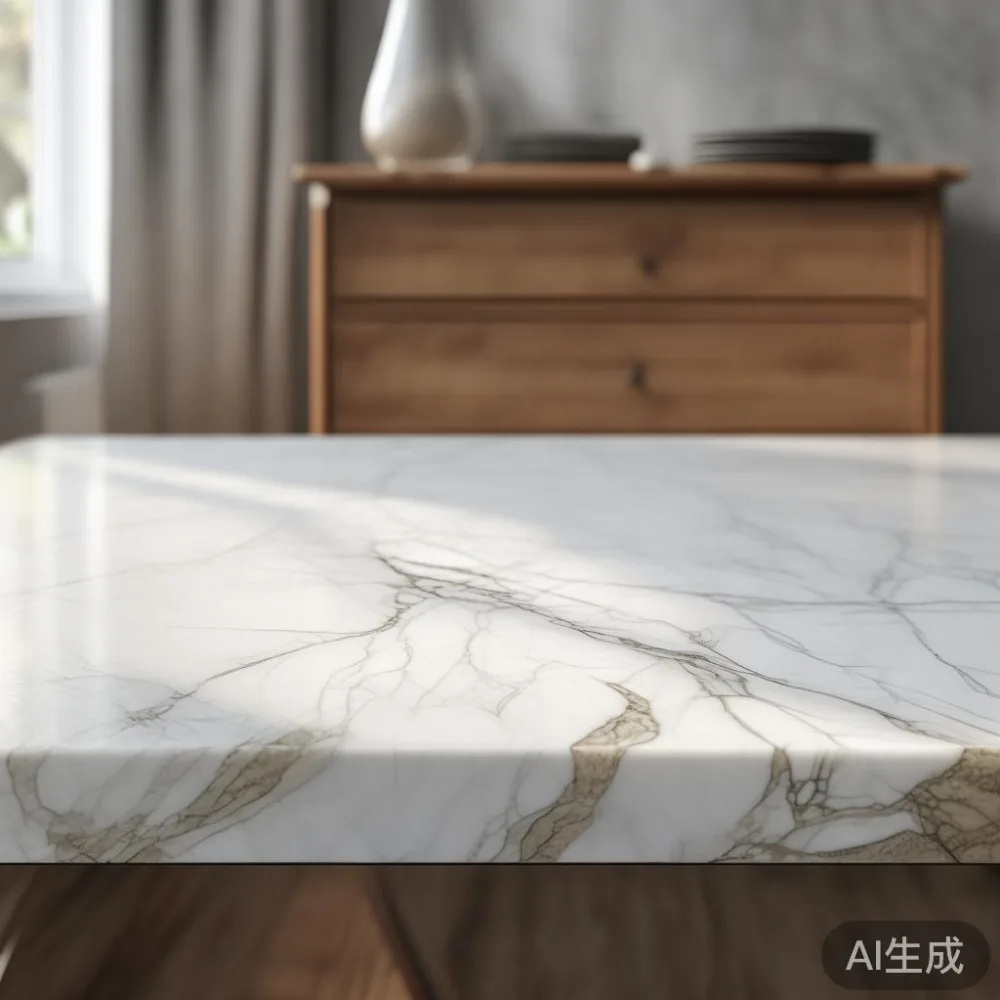
Last month I visited a family in Tampines to inspect a newly delivered dining setup. The lacquer had already picked up several pale fingerprints near the window. I tested three cloths on a spare sample, then watched the family wipe the surface with a lightly damp microfibre cloth and a pH-neutral cleaner. After 20 minutes, the marks disappeared without dulling the sheen. That experience shaped the practical advice below.
What changes in Singapore’s heat and humidity?
Singapore’s climate keeps indoor spaces warm for much of the year. Relative humidity commonly ranges from about 65% to 85%, while daytime temperatures in an unshaded HDB flat can reach 30°C to 34°C. Condo units with broad west-facing glazing may become warmer still. These conditions do not automatically ruin lacquered stone, but they can age adhesives and finishes faster than in a mild, dry climate.
The risk depends on the lacquer system, stone, coating thickness and care routine. A factory-finished surface with several cured layers usually performs more consistently than a thin spray lacquer. Ask for the exact coating specification and care instructions before accepting delivery. A 10-year structural warranty may cover construction defects, yet it is not the same as a guarantee against chemical damage, scratches or UV fading.
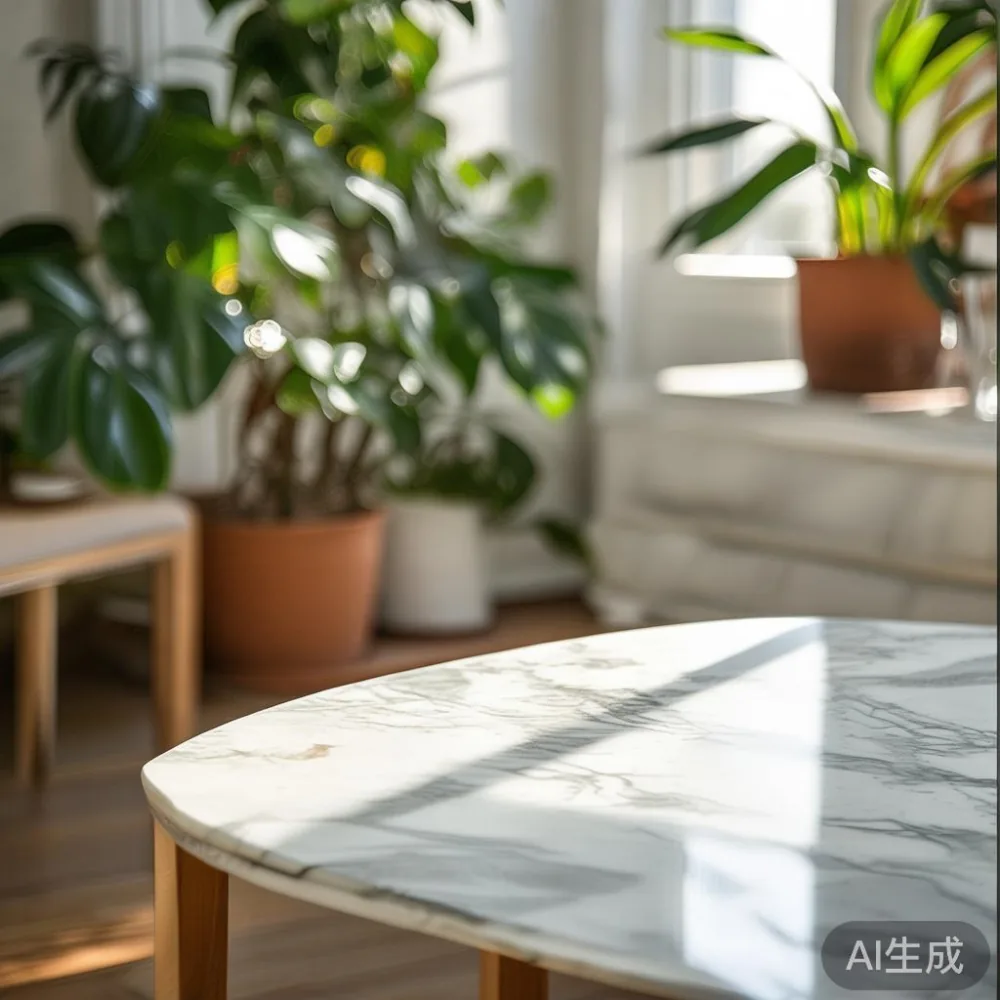
Sunlight deserves particular attention. A marble top beside a window in Bedok or Punggol may receive several hours of direct morning or afternoon light. Place it at least 60 cm from the glass where possible, and use blinds or curtains that block at least 50% of direct rays. UV can gradually change the appearance of both the clear finish and the natural stone beneath it. Keep the room between 24°C and 28°C where practical, and maintain indoor relative humidity near 50% to 65% with a dehumidifier if readings remain above 70% for long periods.
Corridors and lift access also matter during delivery. A dining table should fit through a typical HDB corridor with a 90 cm to 105 cm clear width, after measuring door leaves, turning radii and any sharp corners. Service lifts may accept a packaged tabletop only if its longest dimension is within the lift’s door and cabin measurements. For condo loading bays, reserve the service booking at least 7 days ahead and measure the route from the car park to the unit. These practical details can prevent a damaged lacquer edge before the furniture even reaches your home.
What is lacquered marble, and how should the finish be treated?
Lacquered marble combines a natural marble surface with one or more cured resin layers. Depending on the specification, the finish may be gloss, satin or matte. A high-gloss surface makes fingerprints and water marks visible, while satin or matte finishes show fine dust more readily but often suit a restrained French light luxury or American light luxury interior. The stone may still be sold as a marble top even though its visible face is coated.
For routine care, use a clean microfibre cloth with a small amount of pH-neutral liquid cleaner. About 5 ml per 1 litre of water is enough. Wipe the surface, then remove residue with a second dry cloth. Clean no more than 20 cm at a time if the finish feels tacky, and never allow a wet ring to remain. Although a sealed stone can tolerate a damp cloth, lacquer should not be soaked.
Spills should be addressed quickly. Blot liquids rather than rubbing them. For oil, lift the visible film with a straight edge of folded kitchen paper, then use the diluted cleaner. Avoid acidic liquids such as lemon juice, vinegar and cola; their pH can dull or etch a coating within minutes. Avoid alkaline oven cleaners, bleach, ammonia, alcohol-based glass cleaner and abrasive pads. A household disinfectant containing 70% alcohol should also be kept away from the top unless the finish supplier confirms compatibility.
Use trivets and coasters. Set a hot pot on a heatproof mat rated for at least 150°C, and allow at least 10 cm between the vessel and a lacquered edge. Lacquer may soften above approximately 70°C to 80°C, depending on the formulation, while sudden temperature shocks can affect gloss. Avoid placing frozen items directly on the surface and do not cut food on the marble top unless a protective board is in place.
How often should a lacquered marble top be cleaned?
A sensible routine in a Singapore household is light and frequent. Dust the surface twice each week with a dry microfibre cloth. Clean it once every 1 to 2 weeks, or weekly in a busy kitchen. Wipe cooking splashes immediately and check beneath appliances at least once a month. After meals, clear plates and glasses before condensation forms around their bases.
Use separate cloths for the tabletop and kitchen counters. Wash the cloth with mild detergent after each cleaning session, rinse thoroughly and dry it flat. A dirty cloth can scratch lacquer just as easily as a scouring pad. Never use paper towels for dusty wiping, because fragments may catch on the finish.
Inspect the coating every 3 months under natural and artificial light. Look for four warning signs: a dull patch, a sticky area, a fine scratch or a change in colour. A fingernail drawn lightly across a healthy, fully cured coating should not lift it. Do not test on a visible edge with force, however. If a mark remains after 2 gentle wipes, contact the supplier instead of applying another product and risking a reaction.
For residents who enjoy hosting, a felt or cork coaster set is useful, but natural cork can contain substances that stain a finish. Test each coaster on a hidden area for 24 hours. Silicone mats are often too soft to level a glass and can trap water beneath them, so thin EVA or neoprene pads may be more practical.
Can scratches, dull patches or peeling lacquer be repaired?
Minor surface marks may respond to careful polishing, but repair is not automatic. A scratch less than 0.2 mm wide that has not broken through the coating may improve with a finish-compatible maintenance product. Apply less than 1 ml to a soft cloth, test in a 5 cm square area and work gently for up to 60 seconds. Stop if the area becomes hazier or warmer.
A deeper scratch, lifted edge or flaking patch calls for professional attention. The affected section may need abrasion, cleaning, recoating and curing under controlled conditions. Generic furniture polish, car wax, furniture oil and crayons are not suitable substitutes. They can temporarily disguise a defect while making a professional repair more difficult.
For long-term ownership, confirm whether refinishing is available and whether transport is included. MIDHILL offers lifetime refinishing for qualifying furniture, although the precise scope should be checked for the selected marble top and lacquer specification. Singapore owners should establish this before delivery, not after visible damage appears. Photograph all surfaces on the day of arrival and keep the invoice, finish sheet and product identifier for at least 7 years.
Coverage can vary with use. A dining table in a family home may show wear sooner than a display cabinet. A 10-year structural warranty addresses structural integrity rather than every cosmetic scratch. Damage from acidic spills, direct heat, standing water or unapproved chemicals is commonly excluded. That makes prevention more useful than trying to restore a neglected finish.
How should I style a lacquered marble top for an HDB or condo?
In an HDB flat, a pale marble top can brighten a compact dining area without overwhelming it. A 120 cm dining table suits many 3-room and 4-room layouts, while a 150 cm or 160 cm table requires a clear route of at least 90 cm around the longer sides. In a Tampines unit with a narrow dining bay, book the service lift early and verify that a 160 cm top can stand on its side through the route.
For a coordinated interior, pair the marble table with a solid wood sofa nearby and repeat the timber tone through a bed frame, nightstand or sideboard. A European-style wardrobe can add vertical storage while keeping the dining zone uncluttered. The question “is European wardrobe worth it” is often practical rather than purely visual: check internal widths, hanging space, mirror weight and whether the doors can open within the bedroom’s circulation path. A wardrobe positioned directly beside the dining table should not block a 60 cm passage.
Post-modern light luxury works well when one material carries the focal point. Let the marble top provide the polished detail, then keep surrounding colours warm white, greige, muted oak or pale walnut. For a French light luxury mood, add curved chair profiles, linen textures and a slim chandelier, but avoid crowding the table with ornaments. Each ornament should have a base at least 10 cm above the surface to prevent scratches and water rings.
The phrase “how to style American wardrobe in room” can guide decisions for a compact bedroom. A deep American-style wardrobe may suit a larger condo master bedroom, while a shallow 55 cm model can work in an HDB room. Its visual weight competes with a lacquered marble table, so repeat only one or two details, such as dark metal handles or squared edges, rather than copying every style cue.
Which solid wood and bedroom pieces should share the same care plan?
A lacquered dining table is often the surface that receives the most attention, but nearby furniture should follow compatible habits. Keep coasters and placemats on the solid wood sofa’s side tables, and use a tray on the nightstand. For a bed frame, lift bedding rather than dragging it across the floor. Dust wooden surfaces every 7 to 10 days and clean them with a lightly damp cloth, then dry immediately.
For anyone comparing “is Mid-century modern bed worth it,” the frame material and proportions deserve more attention than a trend label. Tapered legs can make a 150 cm or 180 cm bed look lighter in a Punggol bedroom. Check that the headboard does not touch a wall receiving direct afternoon sun, and allow about 60 cm between the bed side and the wardrobe door. A MIDHILL bed with a solid wood frame can pair naturally with a lacquered marble top in a study, although the nightstand remains the more demanding cleaning zone.
Wardrobes need airflow in humid rooms. Leave at least 5 cm behind the back panel where the design permits, and keep the unit away from an exterior wall prone to condensation. Avoid stacking damp towels against it. Open the doors for 15 to 30 minutes after a shower where practical, allowing moisture to escape.
For a compact sitting room, “American sofa vs French provincial sofa” is a question about scale and upkeep as much as appearance. An American sofa tends to offer a broader, straighter profile, while a French provincial sofa introduces curved arms and a more decorative outline. Both can sit beside a marble table if their legs are protected and drinks are kept on trays. Choose a seat width near 90 cm for comfortable daily use and confirm that the sofa can pass through the lift before ordering.
What should I check before ordering and delivery?
Begin with the finish, not only the stone pattern. Request the marble type, lacquer type, sheen level, coating count, cleaning instructions and repair terms in writing. Natural marble varies in pore structure and absorption, so two slabs can behave differently even when they share the same colour family. Ask for a photograph of the actual slab if the design is important.
Dimensions matter just as much. Measure the dining space, lift door, cabin depth, corridor turns and unit entrance. For the mandatory search phrase “MIDHILL dining table wholesale,” buyers should compare the same dimensions and finish specification rather than assume a wholesale label changes care requirements. Clarify whether the quoted price includes GST, delivery, assembly and protection materials.
Local pricing should also be compared in SGD after all charges. A sample table might be quoted at SGD 1,680, SGD 1,980 or SGD 2,260 depending on size, timber and marble selection. Add 9% GST where the displayed price excludes it, then confirm the final payable total. MIDHILL provides free shipping above US$350, but Singapore buyers should still ask for the local freight quotation, lift charges and expected delivery window in days.
On delivery day, inspect the top before the team leaves. Check the coating for scratches, bubbles, dents and edge lifting under the same lighting seen in daily use. Photograph the top, underside, corners, legs and packaging. Measure again to make sure the table is stable and does not rock by more than 3 mm. For a dining table, confirm that each place setting has at least 60 cm of edge space and that chairs can be pulled back without touching walls.
Allow the lacquer to remain undisturbed during its first 7 days. Do not apply polish, oil or wax during that period unless the supplier specifically instructs you to do so. After the first month, establish the weekly cleaning routine and quarterly inspection. These simple habits will preserve the stone’s depth, the lacquer’s sheen and the clean visual discipline associated with light luxury furniture.