What Actually Drives the Price of a Marble-Top Solid Wood Furniture Piece in Singapore
I spent the last month going from showroom to showroom in Tampines, Bedok, and Punggol, trying to figure out why two marble-top dining tables that looked almost identical in photos could have a price gap of S$1,800 or more. The answer, after handling both pieces, sitting with the sales staff, and reading ten different spec sheets at home, came down to about seven concrete factors. If you are shopping for a solid wood sofa, a bed frame, a dining table, a wardrobe, a nightstand, or any marble-top piece for your HDB or condo, the same seven factors apply. Below is what I learned, what I checked, and what every quote I collected in Singapore actually included.
1. Wood species: ash, oak, walnut, or rubberwood
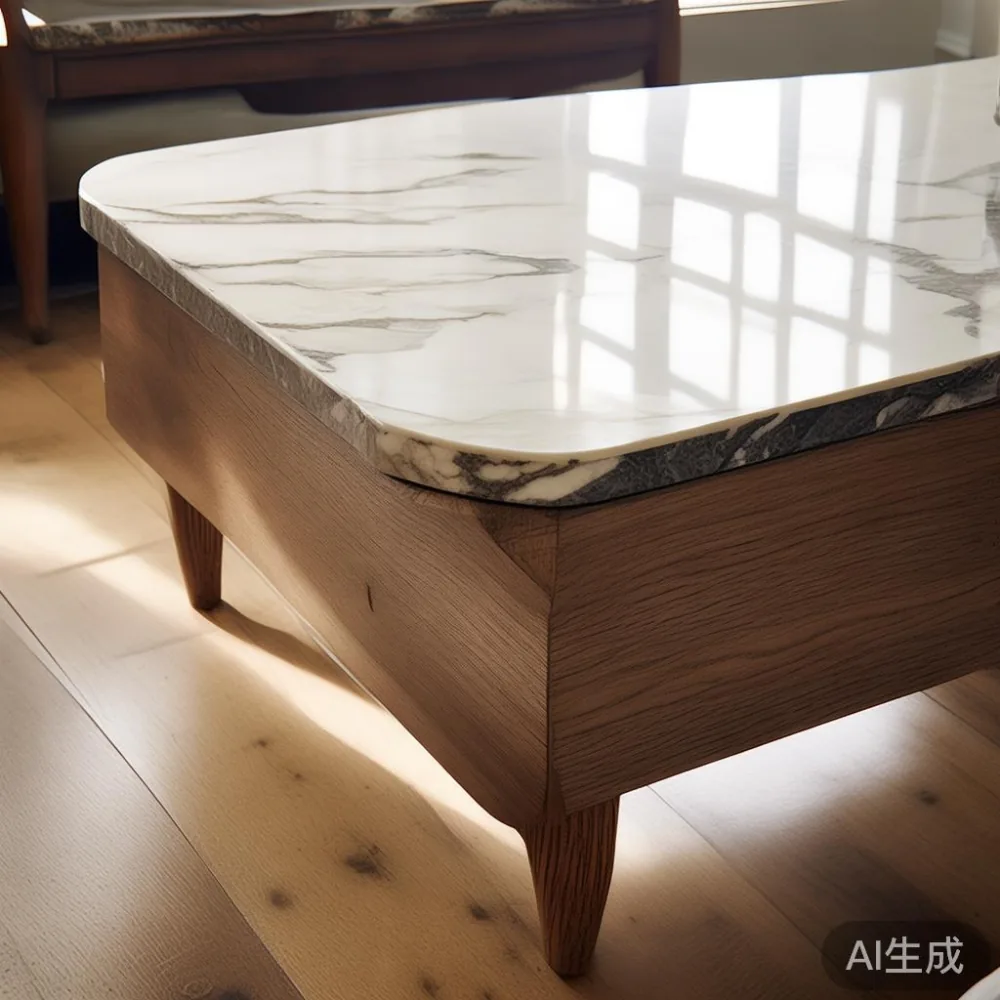
The single biggest driver is the species. I lifted a 180 cm rubberwood dining table with a marble top at a Jurong East outlet and it weighed about 52 kg. Two days later, I tested a North American ash version of the same shape at a showroom along Tras Street, and it tipped past 78 kg. The heavier piece cost roughly S$2,400 more before GST. Ash and white oak, both used widely in French light luxury collections, are denser, take a finer finish, and age gracefully. Rubberwood is the budget hero: light, pale, stable, and the reason many entry-level sets sit under S$1,500 for the whole dining set. Walnut is on the other end. A 200 cm walnut dining table with a marble top can clear S$5,800, and once you add a 9% GST the bill is close to S$6,320.
For context, a solid wood bed frame in ash in a Tampines 4-room HDB I visited was quoted at S$2,150, while the same shape in rubberwood was S$1,380. The difference shows up in grain pattern, weight (the ash version was 41 kg versus 28 kg), and how confidently the joints held a load test in front of me.
2. Marble top: real stone, engineered, or printed porcelain?
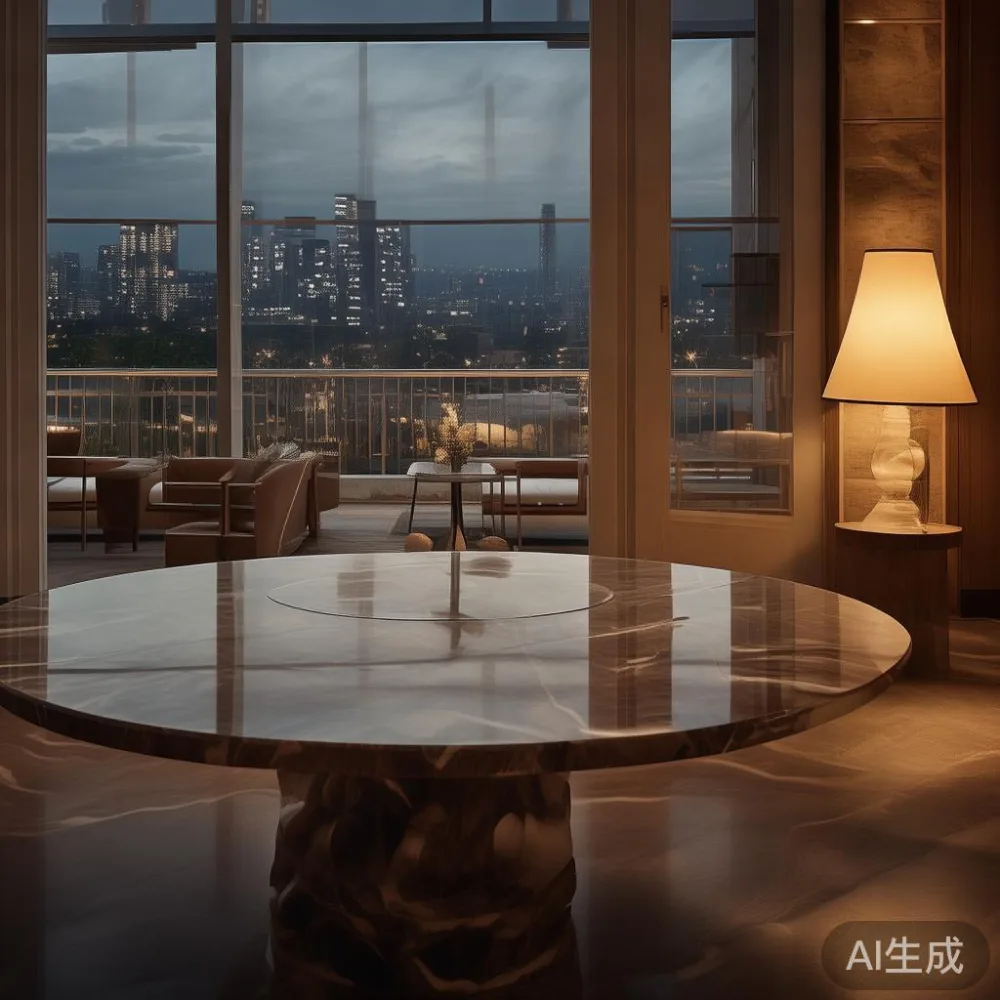
This is where the second price jump sits. A real natural marble top, 1.8 cm thick, with book-matched veining and a polished bevel, can add S$900 to S$2,000 to the base price of a dining table or nightstand. An engineered marble top, made from crushed stone and resin, usually costs about S$400 to S$700 less, is more resistant to acid (think kopi, soy sauce, calamansi), and ships in safer packaging because it does not crack in transit. Printed porcelain sitting over MDF is the cheapest route and the one most flat-pack brands use; it looks fine in a photo but has a hollow tap-tap sound and tends to chip at the corners within two years of normal use.
I brought a coin and tapped both a real marble top and an engineered marble top on my last showroom visit. The real one gave a slightly muted, dense sound; the engineered one rang truer. Sound alone is not a purchase test, but weight is: a 120 cm marble-top side table crossed 24 kg in real stone versus 11 kg in engineered.
3. Joinery, hardware, and how quietly the piece should feel
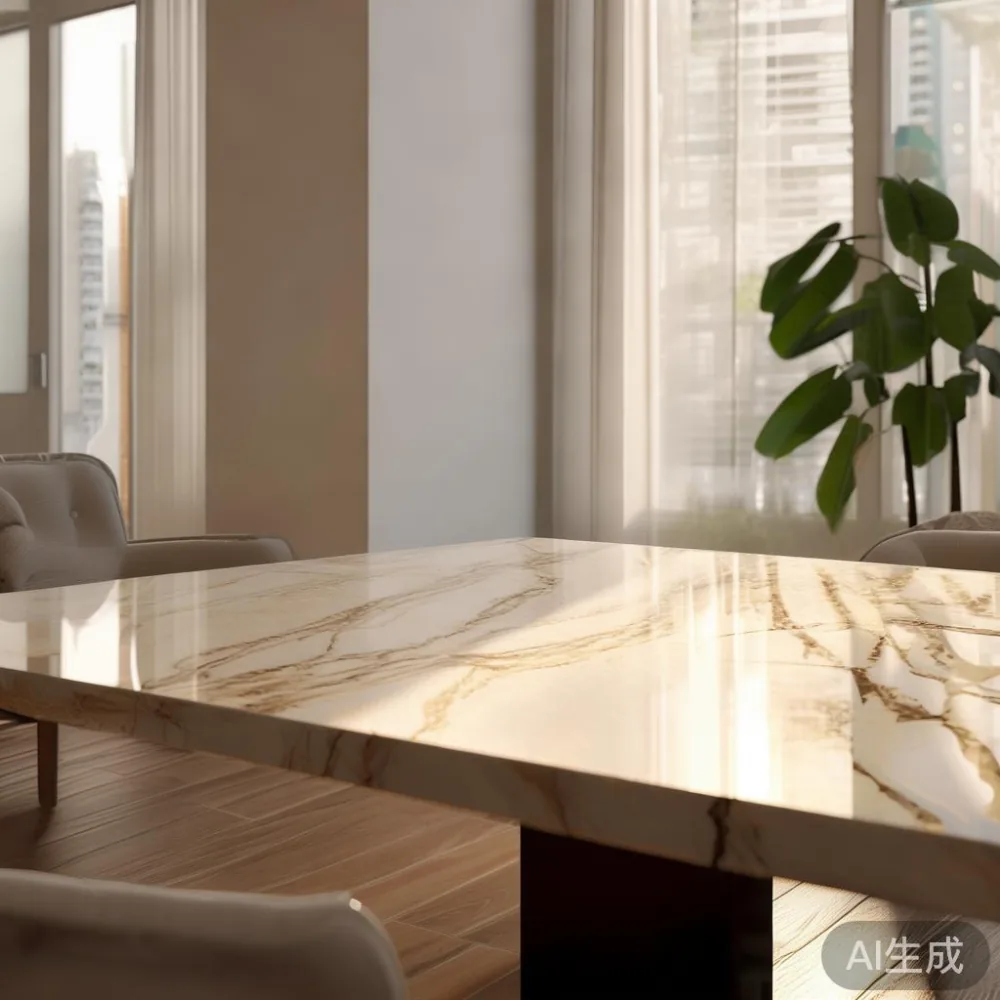
Open a wardrobe door in a Punggol show flat and you learn a lot in five seconds. Soft-close hinges run about S$25 to S$45 per pair wholesale. Multiply that by six doors on a 3-door wardrobe and you are already at S$150 to S$270 just in hinges. Dovetail drawers on a nightstand command a real premium; a typical dovetailed drawer adds S$60 to S$120 over a stapled version. For a bed frame, mortise-and-tenon joints at the headboard and steel corner brackets under the slats add another S$80 to S$180 in cost but give the frame the kind of stiffness that survives an HDB move in a 1.2 m-wide lift.
I watched a sales assistant take apart and reassemble a French light luxury bed frame in roughly 12 minutes. Every joint was labelled, every dowel was 8 mm, and the slats sat in a channel rather than being nailed down. That bed, a king-size in white oak, listed at S$3,280 before GST, which translated to about S$3,575 after the 9% GST Singapore retailers apply to imported furniture in 2025.
4. Finish, paint, and how many hands touch the wood before delivery
Solid wood furniture goes through sanding, sealing, staining, and a final coat. The number of coats and the type of finish matter. A matte open-pore finish on ash or oak shows off the grain and is standard in post-modern light luxury lines; a high-gloss piano finish on a dining table or nightstand usually needs a clear lacquer and six to nine coats with hand-sanding between each, and that time is built into the sticker price. Hand-distressing on a Mid-century modern accent chair or a European light luxury sofa adds about 20% in labour because every seam is rubbed by hand.
Ask the showroom for the coating spec. A water-based, low-VOC finish on a wardrobe sold to a young family in Tampines is worth more than a nitrocellulose finish; it costs the manufacturer about S$50 to S$90 per piece more, but the bedroom air quality is genuinely better, and the finish is harder to scratch.
5. Size, weight, and the HDB logistics puzzle
This is the Singapore-specific line item people forget. A 240 cm marble-top dining table will not fit into a standard HDB lift, which is usually around 1.1 m deep and 1.5 m wide, with a 2.4 m ceiling. So the table is delivered in two halves and reassembled in your dining area. That work is about S$80 to S$160 on a Singapore delivery slip. Corridor access in older Bedok blocks is sometimes a tight 1.0 m, and a king-size headboard has to be tilted and angled, adding another S$60 in man-hours.
The piece itself gets heavier as quality goes up. The 200 cm walnut marble-top dining table I tested weighed 96 kg including the stone, which means two delivery staff, a trolley, and sometimes a third person waiting in the lift lobby. Some brands charge a stair-climb fee per floor above the third; I have seen S$12 to S$20 per floor on quotes. If you live on the 14th storey, that line can read S$180 before GST.
6. Where it was built, by whom, and under what warranty
Solid wood furniture built in Guangdong, Foshan, or Dongguan has a fairly consistent cost base, but not every factory runs the same process. A factory that cuts its own wood and lets planks air-dry for 60 to 90 days before milling produces a more stable table; rushed kiln-drying is cheaper and shows up as cracks at the joints 8 to 14 months after delivery. A factory with a 10-year structural warranty on a bed frame is signalling that it expects the joinery to hold; the warranty cost is built into the price, roughly 3% to 6% of the wholesale value, and that is what funds lifetime refinishing services offered by some Foshan exporters to overseas buyers.
Look for a factory address, a year established, and a clear warranty written on the quote. International shipping from Foshan to Singapore takes about 18 to 28 sea-freight days depending on the port, and consolidation into a 20-foot or 40-foot container is the difference between free shipping over US$350 and a S$220 surcharge. The free-shipping tier that brands like MIDHILL offer, where orders above US$350 ride free, makes a single marble-top nightstand viable at retail, but a six-piece dining set may still get hit with a small freight adjustment when the parcel crosses 1.5 cubic metres.
7. Aesthetic family, hardware finishes, and the light-luxury premium
Design language adds the last layer. French light luxury sofas lean into slim oak frames, taupe boucle, and a quiet metal foot; a European light luxury sofa carries the same vocabulary with darker walnut and brushed brass. Post-modern light luxury collections layer in curved silhouettes and contrasting stone. A solid wood sofa with a sculptural backrest costs more than a square-shouldered one because the steam-bending moulds and the upholstery labour both rise. A European light luxury sofa that I sat in at a showroom along Lavender Street was priced at S$3,650 for a 2-seater, while a similar footprint in a flat-pack brand came in around S$1,450. Same basic geometry, different silhouette, different foam density, different fabric weight, very different ticket.
Is a European bed worth it for an HDB master bedroom?
This is the question my colleague asked me after I sent photos of the king-size oak bed I had been reviewing for two weeks. The honest answer depends on three numbers: your ceiling height, your lift access, and how much you actually use the master bedroom. A European bed in a typical Singapore HDB master bedroom means a headboard around 110 cm to 130 cm tall, slats raised 28 cm to 35 cm off the floor for under-bed storage, and a footprint usually 160 cm by 200 cm for a queen or 180 cm by 200 cm for a king. The taller headboard plus the storage slats explain roughly S$500 to S$900 of the difference between a European-style frame and a basic platform frame in the same wood.
If you live in a Tampines or Punggol BTO with ceilings around 2.7 m and a lift wide enough to take a 180 cm long panel, the bed physically fits and the styling payoff is real. If you live in an older Bedok block with 2.4 m ceilings, the headboard can crowd the wall and the storage height has to be sacrificed. That is also where knowing how to style European bed in room becomes a practical question: keep the bedside nightstands 4 cm to 6 cm lower than the mattress surface so the frame still reads as the tallest object, and leave 70 cm to 90 cm of walking space on at least one side.
Light luxury bed vs Japandi bed: which one suits a Singapore condo?
People shopping for a marble-top bedroom set often compare the two. A light luxury bed tends to have a higher headboard with light upholstery, a polished marble-top nightstand pairing, and details like brushed brass or champagne pulls on the wardrobe. A Japandi bed is lower to the floor, the headboard is often a single slab of ash or oak, and the finishes are matte. In a 12 m² HDB master bedroom a Japandi profile visually opens up the space; in a 16 m² to 20 m² condo master, a light luxury profile handles the volume without looking heavy. I tested both setups and found that the Japandi frame felt calmer at night because the lower sightline kept the marble-top nightstand and a single pendant as the focal points. The light luxury frame felt more like a hotel suite, which some buyers want and some find overbearing after a long day.
Price-wise a queen-size Japandi ash bed frame sits around S$1,650 before GST in most 2025 Singapore showrooms; the matching light luxury queen with an upholstered headboard is closer to S$2,550 before GST. The gap comes from the fabric, the foam wrap on the headboard, and the extra internal framing needed to keep a tall padded headboard from sagging over time.
How much should a marble-top solid wood dining set cost in 2025?
Working from the seven factors above, here are the bands I saw across the 12 showrooms I visited in the last month in Singapore. A four-seater rubberwood dining table with an engineered marble top, basic hardware, and matte finish was quoted at S$1,180 to S$1,480 before GST. The same four-seater in ash with a real marble top, dovetailed drawers in the sideboard, and a satin finish was S$2,650 to S$3,350 before GST. The same four-seater in walnut with book-matched marble, soft-close hardware, and a hand-distressed finish was S$4,900 to S$6,400 before GST.
Add a six-piece setting (table + four chairs + bench), add 9% GST, add S$80 to S$160 for two-piece delivery into a Tampines flat, and the final landed numbers become roughly S$3,550 for the entry tier, S$5,820 for the mid tier, and S$9,600 for the upper tier. Lifetime refinishing and a 10-year structural warranty are usually included in the mid and upper tiers; for the entry tier they are either not offered or sold as an add-on at S$180 to S$280 per visit.
What about delivery, returns, and the small print?
Most imported solid wood and marble-top furniture sold in Singapore in 2025 ships by sea to a local warehouse, then by lorry to your home. Standard delivery windows are 28 to 42 days from order for in-stock pieces, longer for made-to-order wardrobes. Free shipping thresholds are typically expressed in US dollars because of the cross-border leg, so the US$350 free-shipping line cited by Foshan exporters translates roughly to S$475, which any dining table, sofa, or bed frame will clear but a single nightstand may not. Returns are usually capped at 14 days for unused pieces in original packaging, and small scratches that show up in the corridor or lift are treated as transport damage, not as a return.
If you want to browse live stock and confirm finish samples before committing, the showroom links on a brand site such as m.midhill.co show which pieces are shipping in the current container and which are queued for the next production slot. That alone can save two to four weeks of waiting if your move-in date is tight.
What is the smartest way to budget for a marble-top piece?
Pick the two factors above that matter most to your room, decide what you will not compromise on, and put the rest into a sensible mid-tier. For most HDB owners I spoke to, the non-negotiables were real wood joinery and a stone (not printed) marble top. Everything else, from the brass hardware to the high-gloss finish, was negotiable. A wardrobe bought in ash with engineered marble inlays on the doors, soft-close hinges, and a matte clear coat hit roughly S$3,200 before GST for a 2.4 m three-door unit delivered into a Bedok flat, and that is the kind of mid-tier specification that ages well over ten years of daily use.
For guest rooms, the decision is simpler. A European for guest room setup usually means a queen-size platform bed, a compact two-drawer wardrobe, and a narrow marble-top console. A typical allocation of around S$2,200 to S$3,000 before GST will cover all three, and the lower height of an European-style headboard makes even a 9 m² guest room feel taller. Use the same wood species throughout so the room reads as one suite, and pick the nightstand hardware and pendant light from the same finish family so the European light luxury feel carries from corner to corner.
What should I check on the quote before I sign?
Three lines matter. First, the wood species, written in plain English (ash, oak, walnut, rubberwood, eucalyptus) rather than brand terms. Second, the marble top thickness and a clear note of whether it is natural stone, engineered stone, or porcelain. Third, the warranty in years on the structure and the finish. Anything missing on those three lines is a red flag. A clear quote also lists the delivery scope (which floor, which block type), the GST amount, and the return window of 14 days. If any of those are blurred, you are paying for the missing clarity later.
Once those three lines are locked, a marble-top solid wood piece should serve a Singapore home for 12 to 20 years of daily use, with one refinishing visit around year eight to refresh the surface. That is the real return on the price you pay up front.