Understanding Solid Wood Furniture Costs: Singapore Edition
Solid wood furniture prices are shaped by more than a handsome photograph or a persuasive sales pitch. The species, cut, moisture treatment, joinery, dimensions, finish, surface hardness, hardware and delivery arrangements all affect the final figure. For a Singapore household replacing a dining table in Tampines or fitting a bed frame into a Bedok condo, practical constraints matter too: a lift may be 90 cm wide, a corridor may turn sharply at 110 cm, and a completed piece may weigh 78 kg before anyone sits on it.
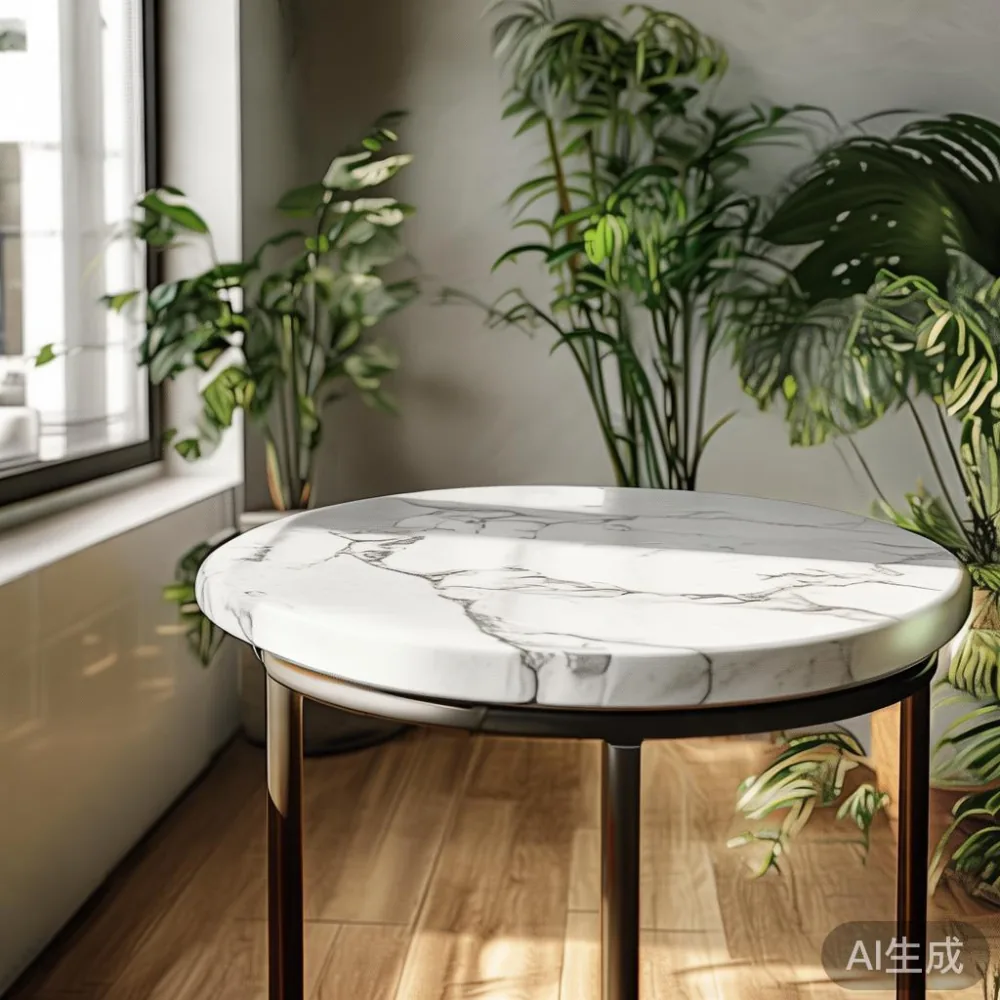
MARBLE TOP furniture introduces another layer. A marble top is not solid wood, although the cabinet or base beneath it may be. Its price reflects stone selection, slab preparation, edge treatment, support engineering, installation risk and the labour needed to protect it during delivery. At MIDHILL, the aim is not to make every piece look identical. It is to explain where the money goes and which choices change the proposition materially.
What is the real cost of a solid wood dining table?
The timber usually supplies the largest variable cost in a dining table. Kiln-dried oak, walnut, ash, teak and other structural hardwoods differ in yield, stability and market price. A 200 × 100 cm table needs more usable timber than a 140 × 80 cm table, yet the larger board can also be harder to source because wide, defect-free cuts are scarce. Boards with knots, sapwood lines or mineral streaks may be economical, but their yield can fall by 15–30% when defects are excluded.
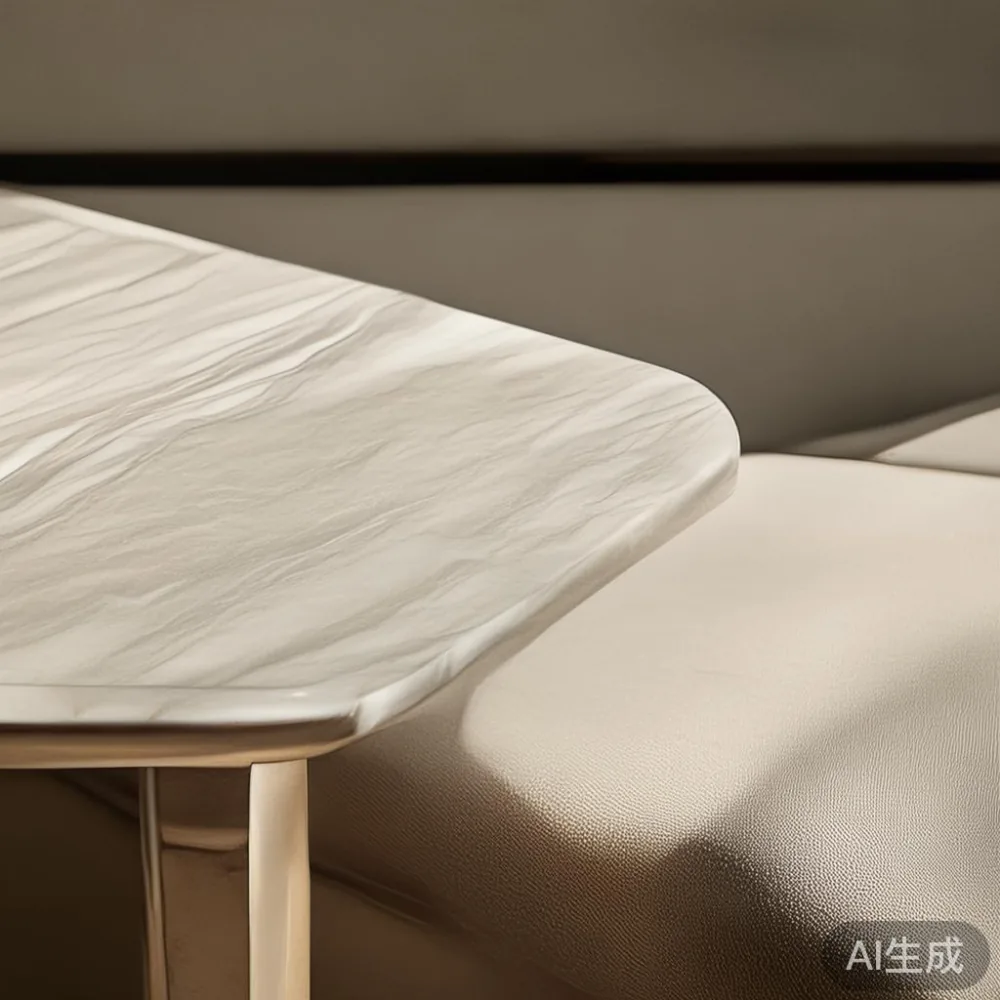
Solid wood also means that the visible material is structural, not merely a thin veneer over particleboard. A 25–30 mm top can carry ordinary household loads more predictably. The joinery beneath it still matters: mortise-and-tenon joints, corner blocks, drawer runners and fastening methods influence labour and longevity. A glued-and-dowelled frame may be perfectly serviceable, but a frame assembled with stronger mechanical joints generally consumes more machining time.
For Singapore conditions, moisture control is not a decorative specification. Wood responds to relative humidity by expanding and contracting. A 200 cm oak top might move several millimetres across its width as humidity changes. The manufacturing target is normally around 8–12% moisture content, with the finished piece allowed to acclimatise for roughly 7–14 days indoors. Poor drying can bring warping, joint movement and checking later, so controlled kiln drying adds cost before the table reaches a workshop.
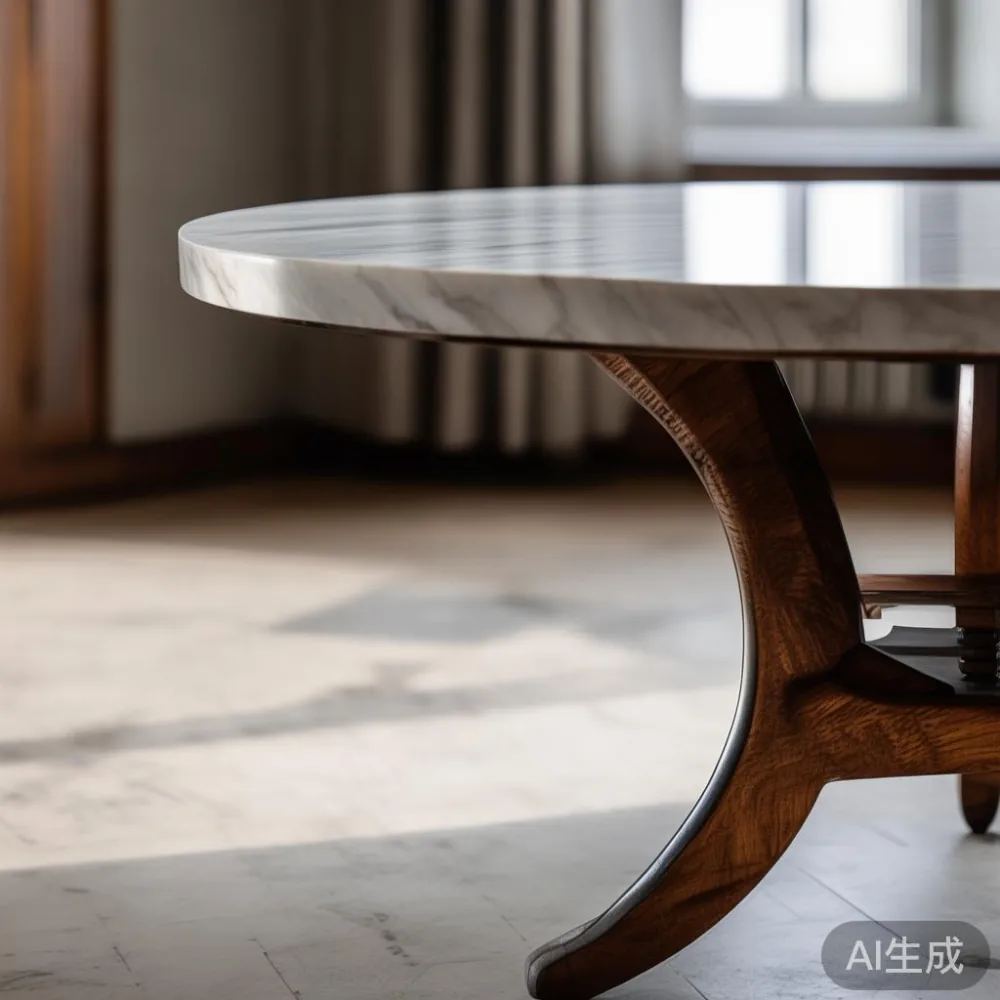
Scale also changes the supporting structure. A marble-top dining table may need a reinforced subframe even when the stone is only 20 mm thick. Stone is rigid and strong in compression, but it dislikes an unsupported overhang and concentrated twisting loads. The engineering is part of the product, not a hidden discount.
How much should solid wood furniture cost in Singapore?
There is no honest universal number because dimensions, timber and construction vary too much. Useful reference bands in SGD can still make comparisons clearer. A 120 × 60 cm solid oak sideboard may begin around SGD 1,800 and reach SGD 3,600 with deeper drawers, a marble top and premium hardware. A 180–220 cm solid wood dining table may range from about SGD 2,600 to SGD 6,500. A queen solid wood bed frame may sit around SGD 1,500–SGD 3,800, while a large wardrobe with adjustable internal fittings may reach SGD 3,200–SGD 7,500.
These are comparison ranges, not quotes. Finish, stone and delivery access can shift them. A small nightstand might cost SGD 480–SGD 1,100. A marble table may begin near SGD 1,200 for a modest design, with a thicker slab, book-matched surface or custom dimensions raising the total. Shipping is free above US$350 on MIDHILL orders, but international logistics and GST treatment should still be confirmed for the destination and sale channel.
Singapore buyers should compare the complete delivered price rather than the factory figure alone. A SGD 2,900 table plus SGD 220 delivery to a ground-floor home is a different purchase from the same table at SGD 2,900 plus SGD 520 in carrying, stair handling and upper-floor installation. GST may add 9% where applicable. Measurement, access and assembly are part of the real price of furniture.
Light-luxury positioning is more useful than vague luxury language. French light luxury often favours pale woods, restrained profiles, gentle curves and tactile fabrics. American light luxury tends to combine generous proportions with solid timber and visible craftsmanship. Post-modern light luxury can pair clean geometry with one expressive material, such as a sculptural base beneath a marble top. Those approaches may justify a premium, but “light luxury” should describe design decisions rather than conceal weak construction.
Which timber species changes the price most?
Species affects raw-material price, processing time and customer expectations. White oak has a strong reputation for stability and often shows pronounced grain. Walnut offers darker colour and dramatic figure, but its lower yield can increase waste. Ash is structurally useful and often more available, while tropical hardwoods can offer distinctive colour and density. Teak suits some outdoor or moisture-exposed applications, but its price does not automatically make every indoor design better.
Ask for the actual solid wood species, not only the broad label “wood”. The solid wood sofa in a living room may use a different frame species from the visible table or cabinet panels, and a solid wood bed frame may contain slats, plywood or metal supports. That is normal engineering. What matters is disclosure: frame timber, load-bearing components, veneer surfaces, plywood grades and covered panels should be identified.
The grade also changes the bill. “Select grade” timber with fewer knots and more consistent colour takes more sorting. Reclaimed timber can carry another premium because cleaning, metal removal, drying and certification add steps. Finger-jointed sections are another practical choice: smaller boards are joined into stable raw material, and the end result remains solid wood across the visible panel.
My colleague in the Foshan workshop showed me two dining tabletops made from the same oak specification. One had broad cathedral grain and was chosen from 21 boards; the other had tighter, straighter figure and needed 17 boards. The visible surfaces looked equally polished, yet the labour, board yield and cost were not equal. That visit made the point obvious: price is often paid for controlled selection, not merely for a coat of lacquer.
Why do marble tops cost so much more than wood?
A marble top costs more because stone is heavy, brittle and difficult to machine accurately. Natural slabs can vary in thickness by several millimetres. The manufacturer must inspect them, cut around defects, reinforce the support structure, finish the edges and create a surface that can survive transport. A 180 × 90 cm top may weigh 65–140 kg depending on stone type, thickness and density. Carrying that weight into a condo is a different task from moving a 42 kg wooden table.
Stone type matters. Carrara, Calacatta and other marbles have different patterns, sourcing patterns and maintenance profiles. A book-matched pair of slabs may cost more because two adjacent sections must be selected and opened together. Honed surfaces are usually calmer and more resistant to showing fingerprints than high-gloss finishes, although etching and staining still need attention. Sealers can slow absorption but do not make marble stain-proof.
Thickness is not the only measure of quality. A well-supported 20 mm marble top can be appropriate for a dining table; a visually impressive 30 mm slab can still crack if the base flexes. The important details include support spacing, a level cabinet, isolation from movement, clean edge finishing and realistic handling instructions. Every marble top should be treated as a separate engineered component.
Is Mid-century modern bed worth it for a small Singapore bedroom?
That question depends on dimensions and daily priorities. A queen bed frame measuring 160 × 200 cm needs about 162 × 202 cm of clear floor space, plus 60–75 cm at one side for circulation and a wardrobe door that can open. In a compact HDB flat or Punggol condo, a 140 × 200 cm bed may create more breathing room, but it can reduce the practical sleeping width for two adults.
Mid-century modern beds appeal because their tapered legs make the silhouette appear lighter and because solid wood frames can provide a warm, substantial appearance without a bulky upholstered headboard. However, low rails can be awkward for elderly users, and narrow gaps below the frame are less convenient for cleaning. Check the actual clear dimensions, not only the mattress size.
Build quality deserves close attention. Look for a centre support leg, closely spaced slats and connections that resist racking. Compare the slat span recommended by the maker with the bed width. A solid wood sofa can likewise look visually light while remaining heavy in the frame; lift access and floor protection should be checked before delivery.
How do joinery, hardware and finishes affect the price?
Joinery is where invisible labour accumulates. Dovetails, mortise-and-tenon joints and carefully fitted drawers require templates, clamps, sanding and repeated checks. Machine-assisted production can still produce consistent results, but hand fitting usually takes longer. A chest with six drawers needs runners that operate quietly, remain level and carry useful weight. Cheap slides may reduce the first cost while frustrating the owner every time a drawer closes.
Hardware is a smaller line item, but a revealing one. Hinges, drawer slides, door catches and locking mechanisms should be specified. Premium fittings do not guarantee good design, and cheap fittings do not automatically fail. The question is whether load ratings, movement and serviceability match the furniture. For a wardrobe, soft-close hinges can prevent impact and noise, particularly in a bedroom near a shared wall.
Finish is not one coat. Preparation may include sanding, sealing, stain or fILLER, colour adjustment, primer, multiple topcoats and curing. Hardwax oil creates a tactile matte surface and is often repairable locally. Lacquer provides a more uniform finish but can be harder to repair after deep damage. The finish should suit use: a marble table in a dining room receives spills and heat, while a nightstand may only need a modest protective treatment.
MIDHILL offers lifetime refinishing, which reduces the lifetime cost of ownership compared with replacing a damaged surface. Its 10-year structural warranty also indicates a different level of responsibility from a short decorative warranty. These services matter because furniture price is not only what leaves the factory; it includes what happens after scratches, movement and years of daily use.
What do delivery, lift access and installation really add?
Delivery should be specified by the actual route, not a generic “free shipping” claim. In Singapore, a lift lobby may be 90 cm wide and a condo corridor 120–150 cm wide. A packaged dining table might be 220 × 105 × 25 cm and 76 kg. If the packaging enters the lift diagonally, it may fit, but turning it through a narrower doorway may not. A bed frame can arrive in separate parts, reducing weight and volume, yet assembly may still require two people and about 45–75 minutes.
Measure several points: the building entrance, parking access, lift car door, lift interior, corridor turns, stair width and the receiving doorway. Note the lift capacity as well. Professional delivery commonly includes carrying, unpacking, placement and packaging removal, but upper-floor service, extra carrying or difficult access may be quoted separately. Confirm whether assembly is included and whether old furniture removal is required.
Allow roughly 7–21 delivery days for made-to-order pieces, while stock and production schedules can differ. Damage protection is particularly important for a marble top. The stone should be separated from moving wooden parts where practical, with corner and face protection designed for the actual shape. A blanket wrapped around a stone edge is not enough if vibration can transmit into a vulnerable corner.
Budgeting for the room is also smart. For a 180 × 90 cm dining table, leave at least 90 cm around the ends and 60–75 cm along each side if chairs must be pulled back. For a bed frame, 60 cm beside one side is a reasonable circulation target. A solid wood sofa may need 80–90 cm of standing space in front for comfortable use. These clearances can be more valuable than another decorative detail.
How can you compare quotes without comparing unlike products?
Request a written specification for each quotation. Record the dimensions in cm, timber species, panel construction, joinery, finish, hardware, load information, marble type and top thickness. Ask whether the price includes GST, delivery to the specific Singapore address, assembly and removal of packaging. Keep those details aligned before judging the figures.
Then test the product logically. Pull every drawer. Open every wardrobe door. Sit on the solid wood sofa. Rest a hand on the dining table and feel whether it rocks. Inspect the marble top under daylight and under warm evening light, checking the edges for chips and the cabinet for alignment. If a retailer resists reasonable questions about materials, the low price may simply reflect uncertainty.
Design vocabulary can guide selection without dictating every choice. A marble table with curved legs may suit French light luxury, while straighter lines and oak can read American light luxury. A geometric base and veined stone may feel post-modern light luxury. For a guest room, Scandinavian for guest room styling usually calls for pale tones, simple forms, restrained storage and a comfortable chair rather than a crowded collection of matching objects.
Budget can still be directed intelligently. People searching under 2000 Japanese furniture may place more emphasis on proportion, joinery and compact sizing. The same budget can produce a stronger room when the sofa is 210 cm rather than 240 cm, or the dining table is 160 × 80 cm rather than 200 × 100 cm. A smaller frame may also be easier to move through a 90 cm lift.
For softer layouts, asking how to style Japanese sofa in apartment is useful: low profiles, light textiles and uncluttered circulation can make the piece feel calm. A solid wood sofa should still offer suitable seat depth, normally around 50–58 cm for standard upright sitting, with a firm foundation that does not collapse after a year of use.
Which details indicate value rather than an inflated price?
Value appears in measurable details: timber moisture around 8–12%, stable joinery, well-fitted drawers, adequately spaced wardrobe fittings, documented load limits and a finish suited to the room. Value also appears in service. MIDHILL has exported to more than 15 countries since 2008, and a 14-day return window gives buyers a clearer process for assessing comfort and fit.
For a marble top, value includes the less visible work. Ask how the top is supported, how the edge is finished, how cracks are prevented during movement and whether replacement is possible if a chip occurs. For wood, ask what parts can be refinished and whether the supplier will support the piece years after purchase.
The most informative question is simple: “What would make this furniture more expensive, and can I see that difference?” A thicker edge, stronger frame or better drawer runner should have a corresponding physical or practical result. If a seller can only answer with a brand name, finish the comparison by checking the specifications.
A fair solid wood furniture price pays for material selection, careful preparation, sound engineering, repeatable finish, realistic logistics and long-term support. It should also respect the home receiving it. Measure first, compare like with like, and judge the complete delivered cost in SGD. The correct piece may not be the largest or the most ornate; it may be the one whose dimensions, materials and construction fit your flat, lifts, routines and budget for the next 10 years.