Proper Care of Lacquered Marble Tops in Singapore’s Climate
A lacquered marble top can bring French light luxury to a Singapore home without making the room feel formal or heavy. The pale mineral pattern, soft reflection and crisp edges pair well with a solid wood sofa, bed frame or dining table, yet Singapore’s heat, humidity, salt air and condensation place extra demands on the finish. In an HDB flat, a condo in Tampines, or a high-rise home around Bedok and Punggol, a marble table may also sit close to windows, air-conditioning vents and narrow service corridors. Good care starts with understanding exactly how the surface is finished.
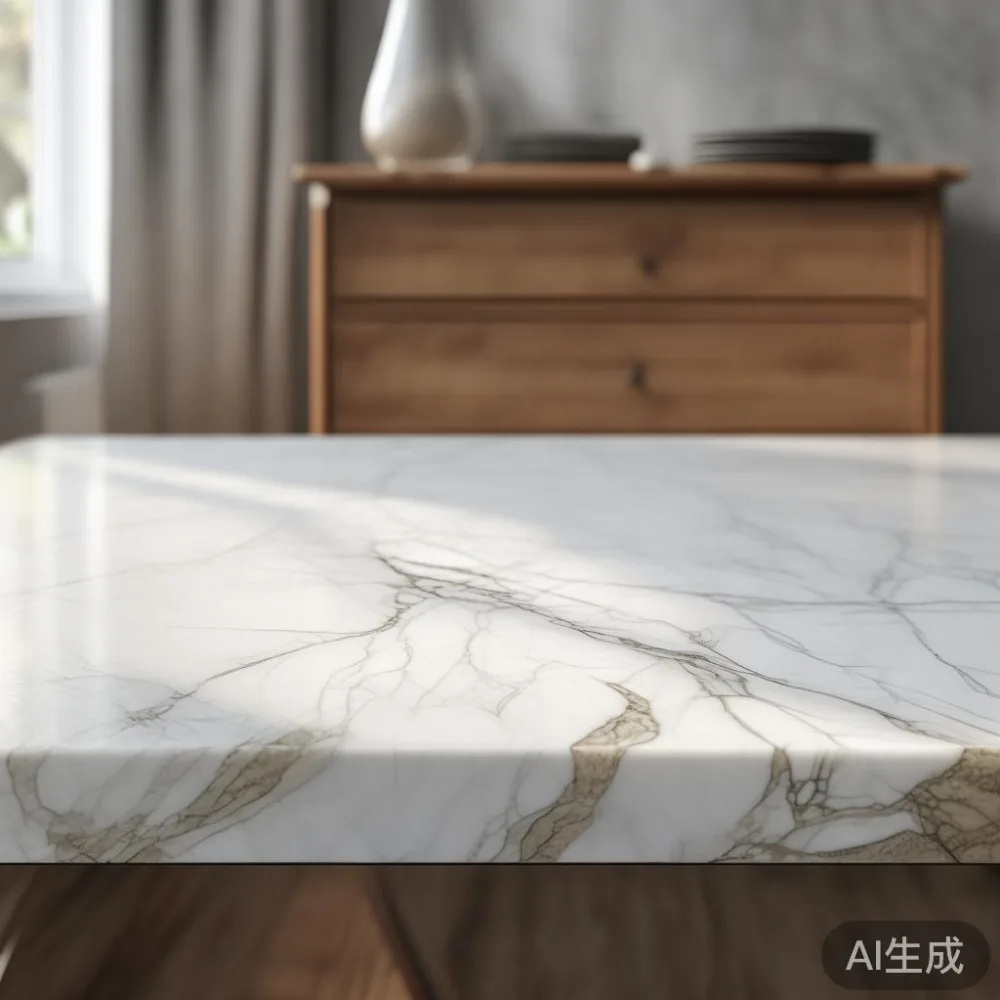
MIDHILL produces lacquered surfaces as part of its solid wood furniture collection, with a 10-year structural warranty and lifetime refinishing support. The marble top should be treated as a finished component within the furniture system rather than as a separate slab that can tolerate any cleaning method. That distinction matters because lacquer, ceramic coatings, sealers and stone treatments behave differently.
This guide explains a practical routine for lacquered marble in a tropical climate. It covers daily wiping, weekly cleaning, spill response, seasonal care and the details that protect the appearance of a dining table, nightstand or other marble-topped piece. It also explains how to preserve the furniture beneath it, especially where lifts and compact layouts influence delivery and movement.
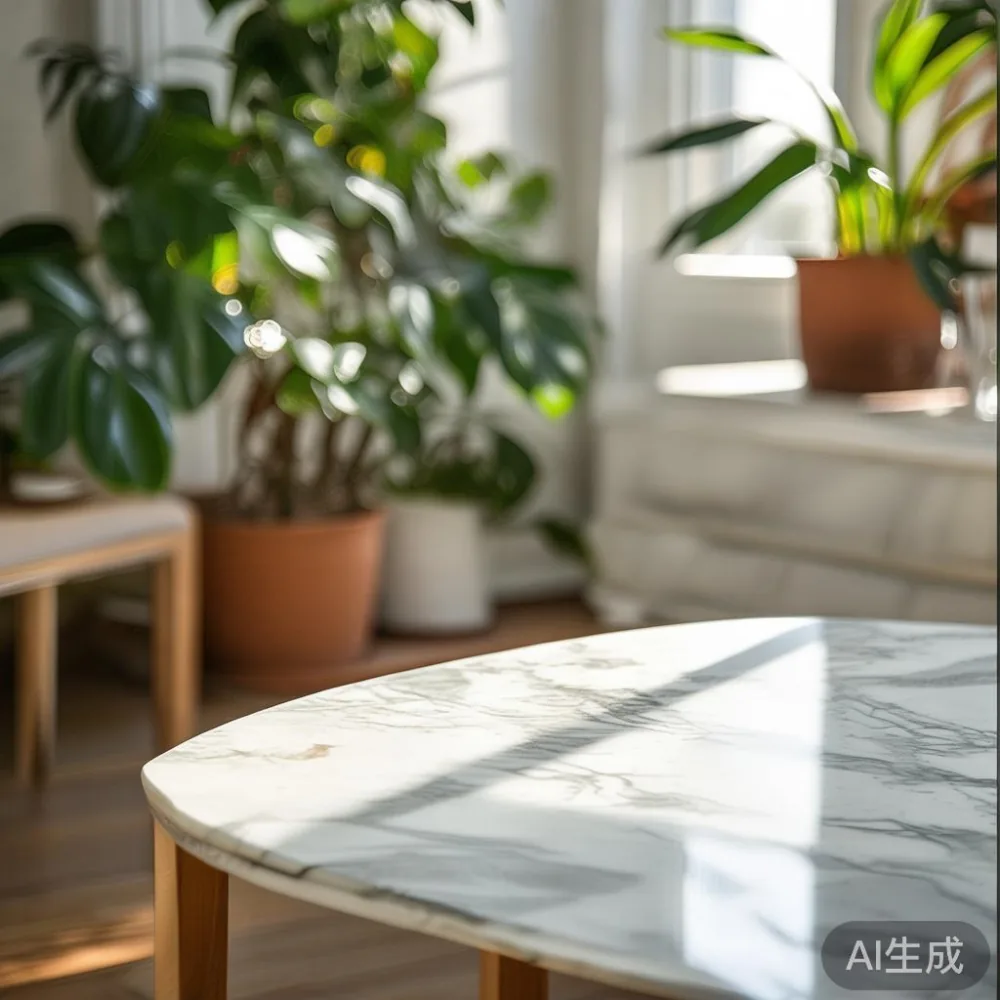
What is a lacquered marble top?
A marble top is the visible stone surface, while lacquer is a clear or tinted protective coating applied over it. The coating can make the stone less porous, improve resistance to stains and create a more consistent sheen, but it can still react to heat, alcohol, strong cleaners and trapped moisture. Many customers describe the result as polished, luminous and refined; others may call it honed or satin. Before using any product, confirm the finish with the supplier or retailer because the words “lacquered” and “polished” do not always describe the same factory process.
The visual language of European light luxury for dining room arrangements usually depends on proportion, texture and restraint rather than a crowded display of accessories. A French-inspired dining table with a lacquered marble top can sit on sculptural solid wood chairs; an American light luxury scheme might pair it with clean-lined seating and warm timber; a post-modern light luxury interior could add one curved lamp and 2 framed artworks. The finish should support those combinations, not dictate them.
For furniture planning, measure the table rather than relying on the room label. Allow at least 90 cm of clear space behind each seated person, 60 cm between the table edge and a wall, and roughly 120 cm across the central zone for serving. A rectangular dining table of 180 cm by 90 cm commonly seats 6 people, while 200 cm by 100 cm can seat 8 with adequate elbow room. Check the actual chair dimensions too: a 48 cm-wide chair can need another 5 cm to 10 cm when angled or occupied.
For a bedroom, the European bed vs Mid-century modern bed comparison often centres on the frame profile, storage and visual weight. A lacquered marble top is more likely to appear on a nightstand or dressing table than on the bed itself, so position that accessory away from direct sunlight and air vents. If comparing finishes, remember that glossy surfaces show fingerprints more readily than matte or honed surfaces. A satin appearance often feels practical for daily family use.
How should I clean a lacquered marble top daily?
Use a soft, lint-free microfibre cloth dampened with plain water or a cleaner specifically approved for lacquered stone. Wring the cloth thoroughly: it should be barely damp, not wet. A surface that beads water or develops a visible wet film is being over-wiped. Dry immediately with a separate clean cloth. This routine removes dust, fingerprints and light food residue without creating a chemical film.
Clean after use, not only at the end of the day. A dining table benefits from a quick wipe after meals, and a marble-top nightstand can be wiped when placing a cup or cosmetic product on it. Avoid abrasive pads, steel wool, household bleach, ammonia, vinegar, lemon juice, alcohol-based glass cleaner and acidic bathroom cleaners. Even diluted products can damage lacquer or dull the stone beneath it. Test an unfamiliar cleaner on a concealed 5 cm by 5 cm area and wait 24 hours before treating the full surface.
Do not place hot pans, appliances, electric kettles or styling irons directly on the top. Use a trivet or coaster with a heat-resistant barrier. A 100°C event can soften or discolour some lacquers, and repeated cycles may cause yellowing or loss of gloss. For a warm drink, use a cork or silicone coaster; for a hot dish, add 2 heat-resistant mats rather than one thin cloth. Small silicone feet on accessories can also prevent scratches and ring marks.
Cleaning should follow the same careful rhythm used for a nordic light luxury sofa, where pale textiles and light timber show dirt readily. The stone may look hard, but the finish still needs controlled moisture. For natural stone, keep cleaning products to a small bottle, typically 250 ml or 500 ml, rather than storing an open spray bottle beside the furniture. A trigger sprayer can make liquid overspray too easy.
How often should I deep-clean a lacquered marble top?
Carry out a deeper clean once a week, and increase the frequency to twice weekly if the household eats at the table most days or the piece receives heavy hand contact. Apply a small quantity of approved neutral cleaner to the cloth rather than the top. Work in overlapping movements, then dry with a clean microfibre cloth. Do not “spray and scrub” for 10 minutes; prolonged contact can stain or haze the lacquer.
A monthly check can reveal problems that daily wiping hides. Look at the surface under daylight and then under warm indoor lighting. Inspect the edges, joints and areas beneath accessories. Check for dull patches, lifting, blisters, whitening, fine scratches and trapped grit. A simple fingernail test is not advised because it can scratch the finish. Instead, compare the suspect area with the protected area beside it and photograph it from the same angle for future comparison.
Every 3 months, inspect moving parts and surrounding furniture. Tighten table bolts where accessible, check that coasters and placemats lie flat, and confirm that a cabinet beneath the marble top remains ventilated. In a tropical setting, trapped humidity can cause swelling or condensation around storage spaces. Keep approximately 5 cm of clearance from walls where the manufacturer permits it, and avoid positioning furniture directly against an external wall that remains warm and damp.
Deep care should also account for the furniture below. In a solid wood sofa, bed frame, dining table, wardrobe or nightstand, check for movement, uneven floors and gaps where damp cleaning cloths might sit. Lift items rather than sliding them across the top. Dragging a 12 kg accessory across 2 metres can leave scratches that microfibre cannot repair.
What should I do after a spill in Singapore’s humidity?
Blot liquids immediately with a clean white cloth. Do not rub, because grit can act like sandpaper. For water, tea or soft drinks, rinse the cloth with lukewarm water, blot the area and dry it. For wine, coffee, oil or coloured sauces, use a cleaner approved for the specific lacquer and stone combination. Apply it to the cloth first, then blot from the outside of the stain toward the centre.
Oil deserves particular attention in a kitchen or dining area. Absorb the spill with a paper towel, then repeat with a clean cloth and approved cleaner. Do not leave a ring overnight. If the oil has penetrated the lacquer or stone, request professional advice rather than trying increasingly harsh treatments. A spot that feels rough, sticky or lighter than the surrounding finish may need sanding and refinishing, not more household chemistry.
Condensation needs prompt attention. Place chilled glasses on coasters and remove them after 15 minutes. In a high-rise condo near the coast, carry indoor humidity into the home with air-conditioning; aim for around 40% to 60% relative humidity where practical. Use a hygrometer costing about SGD 20 to SGD 40 to monitor the dining area, bedroom and any enclosed wardrobe. Persistent readings above 65% call for better ventilation, desiccants or professional moisture control rather than repeated surface polishing.
Can sunlight and humidity damage the finish?
Yes. Lacquer can fade unevenly, and some resin-based coatings yellow under strong ultraviolet exposure. Singapore’s intense light can enter through east-facing HDB windows and west-facing condo glazing. Keep marble-topped furniture at least 1 metre from a window when possible, and use blinds with a high UV-filter rating. Rotate accessories so one corner does not remain permanently darkened. Curtains can reduce exposure without blocking airflow.
Heat and humidity work together. A surface near a balcony may receive warm air during the afternoon and condensation during a sudden downpour. Check it after 20 minutes of rain and wipe any moisture away. Do not cover the top with a thick cloth for long periods, because that can trap humidity against the finish. If protective covers are used during renovation, choose breathable material and remove them within 24 hours.
Furniture placement also affects the broader room. In Tampines, a compact dining zone may sit directly beneath an air-conditioning vent; in Bedok, a coastal breeze can carry salt onto exposed surfaces; in Punggol, a new condo interior may combine low-E glass with strong afternoon sun. Air-conditioning vents should not discharge directly onto a marble table or lacquered wardrobe. A simple 3-minute check after service or a major weather event is enough to catch damp patches early.
How do scratches, dull areas and lifting need to be repaired?
Minor surface marks may be treated with a product intended for the exact lacquer type. Apply a very small amount to a soft cloth, test it in a hidden area and wait 24 hours. Never use polishing compounds marketed for bare stone unless the finish specialist confirms they are safe. Silicone, furniture wax and oil-based polishes can create dark patches that are difficult to remove from lacquered stone.
If the lacquer lifts, blisters or separates from the stone, stop using the affected area and contact the manufacturer. Keep pets and children away from the spot. Photograph the damage, record its dimensions and avoid placing heat or water over it. A repair involving sanding, primer and recoating is different from wiping, and wrong products can enlarge the affected zone.
MIDHILL’s lifetime refinishing service makes early reporting worthwhile for eligible pieces, while the 10-year structural warranty addresses the underlying furniture construction. Neither promise should be treated as permission to ignore damage. Document movement, impacts, moisture exposure and maintenance. For example, note that a dining table top developed a 4 cm dull patch on 12 August after a citrus drink remained for 45 minutes; complete records help the service team advise on the appropriate treatment.
During refinishing, move the piece carefully rather than dragging it. A 6-person lift may be needed for a marble-top dining table weighing 70 kg to 110 kg, depending on its dimensions. Confirm the packaged weight and door measurements before booking delivery. Remove detachable legs where the design allows, protect the floor with 3 mm foam or 5 mm felt pads, and keep the stone upright only as instructed by the maker.
How do Singapore lifts and corridors affect delivery and care?
Compact homes make access a design issue, not merely a logistics issue. Measure the HDB or condo lift door, the turning space inside the lift, the corridor width and the route from the parking area to the unit. Common lift openings are about 90 cm wide and 200 cm deep, but building specifications vary. A 220 cm-long dining table may fit diagonally, while a 240 cm solid wood sofa may need partial disassembly. Confirm the manufacturer’s packing dimensions in centimetres and obtain the actual item weight in kilograms before the delivery crew arrives.
Plan 2 delivery windows if the staircase is narrow, and reserve 30 minutes for protection, unpacking and placement. The building management office may require a booking slot or moving-in form. Keep the route clear for at least 1.5 hours before arrival. Do not measure only the front door; the narrowest point can be a corridor bend, a bathroom door or the lift lobby.
Singapore’s 9% GST is included in displayed retail prices, but confirm whether a quoted service includes delivery, assembly and lift booking. MIDHILL offers free shipping above US$350, with orders below that threshold charged at the stated rate or converted for the local transaction; ask for the final SGD total, especially when the destination is a Singapore address. The 14-day return period is useful for checking scale and condition at home, yet a marble-topped table should be inspected before heavy use and within the required return conditions.
The furniture should also complement local interiors rather than fight them. For an open-plan living and dining area, a European light luxury sofa vs Mid-century modern sofa decision can use the marble top as a visual anchor. A post-modern light luxury approach might combine a marble table with 1 curved chair, 1 linear floor lamp and warm timber. For storage, how to style American wardrobe in room becomes easier when the nearby nightstand shares a restrained material palette, allowing the stone to connect rather than overpower the room.
What is the best 10-minute care routine for a busy family?
Begin with a dry microfibre cloth to remove loose grit. Follow with a second cloth lightly dampened in water or approved cleaner, then use a third dry section if needed. Check coasters, remove crumbs and wipe under movable accessories. Finish by looking along the top toward a window; this reveals smears and fingerprints better than viewing it directly from above.
That routine takes about 10 minutes and should be done at least 3 times a week, with a full wash every 7 days. For households with children, keep a coaster and microfibre cloth in the dining area. For makeup or skincare, designate one tray for the nightstand so oily products do not reach the marble top. For lunches left on the table, clear them within 30 minutes. These small habits reduce the need for chemical cleaning.
When selecting a replacement piece, consider the whole assembly. A well-proportioned bed frame should provide the right mattress support, while a solid wood dining table needs stable seating clearance. A wardrobe in a humid bedroom should have functional ventilation, and a nightstand should have enough top area for a lamp and cup without crowding the edge. Those practical details allow the finish to remain attractive for years rather than months.
A lacquered marble top suits a Singapore home when its beauty is matched by restraint. Keep liquids away, control heat, watch humidity, use soft cloths and respond early to scratches. With careful placement and a consistent 10-minute routine, the surface can retain its clean lines and quiet light-luxury character while supporting the daily life of the room.